
You’ll make small rooms feel larger by thinking light, line and storage first. Keep windows clear, choose low‑profile furniture with exposed legs, and stack storage vertically so floors stay open. Use a calm, continuous palette and mirrors to bounce daylight, then layer warm, dimmable lighting for cozy pockets. Here are 22 practical, aesthetic ideas that’ll help you clear visual clutter and create breathable, intentional spaces — starting with your windows.
Maximise Natural Light With Large, Unobstructed Windows
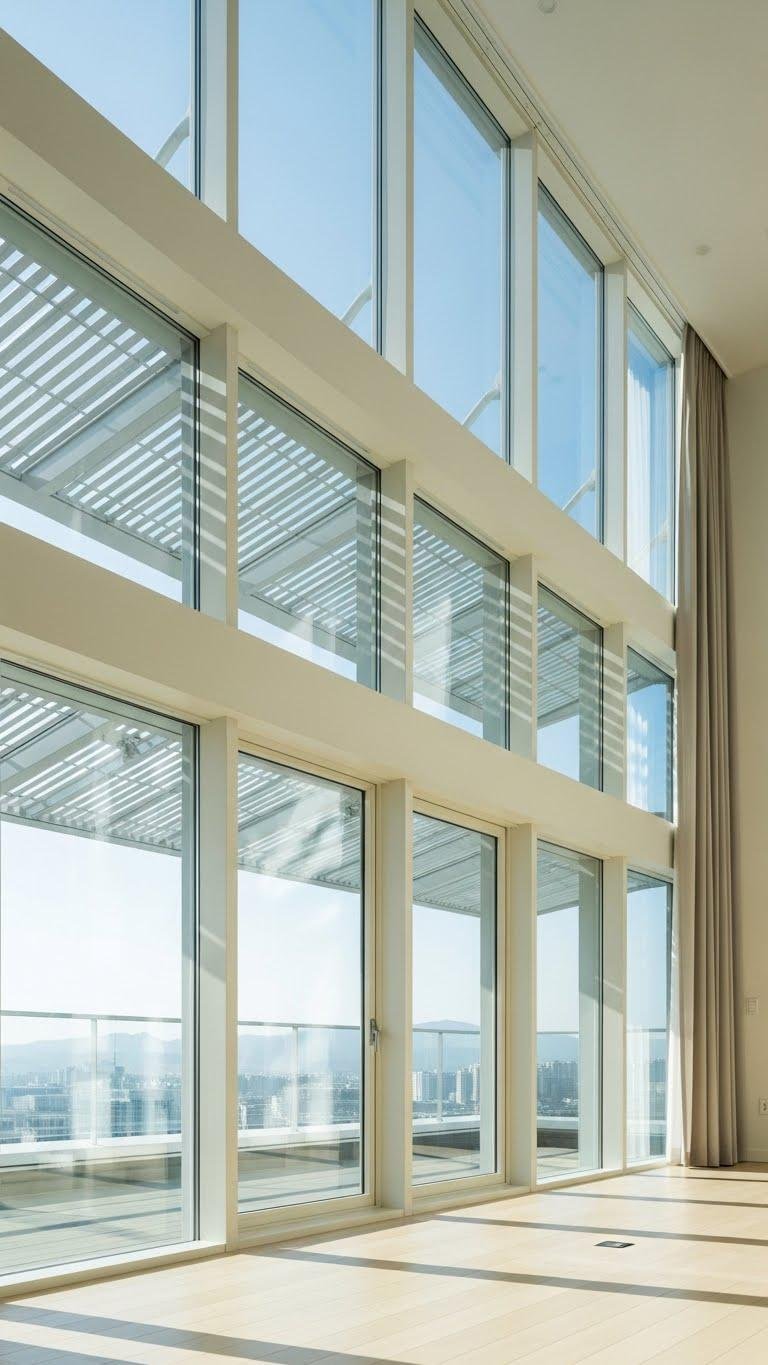
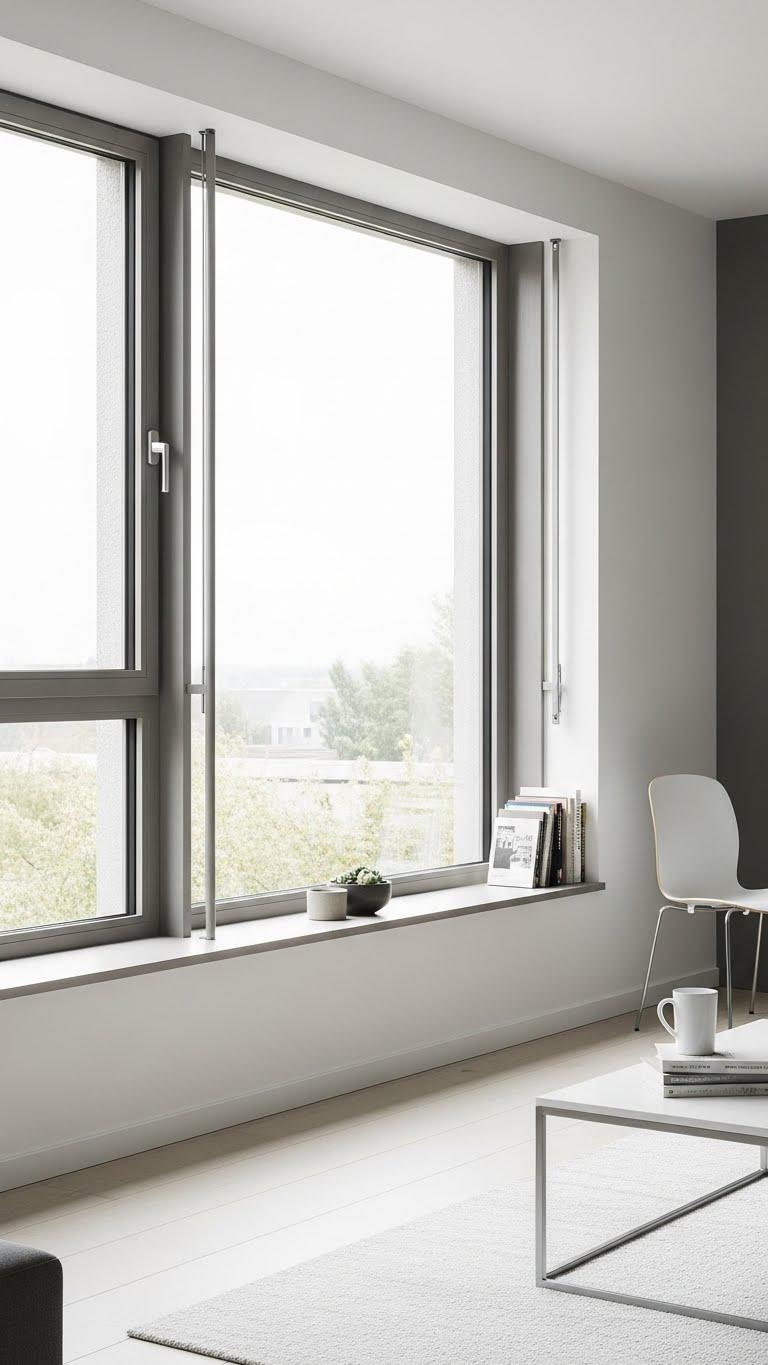
Pull back heavy drapes and let light do the work: install large, unobstructed windows or replace small panes with floor-to-ceiling glass to flood your small space with daylight.
You’ll consider window orientation to capture morning or evening sun, then add discreet solar control—films, overhangs, or glazing—to cut heat and glare.
You’ll gain airy freedom without sacrificing comfort or view.
Use Sheer Window Treatments to Preserve Brightness
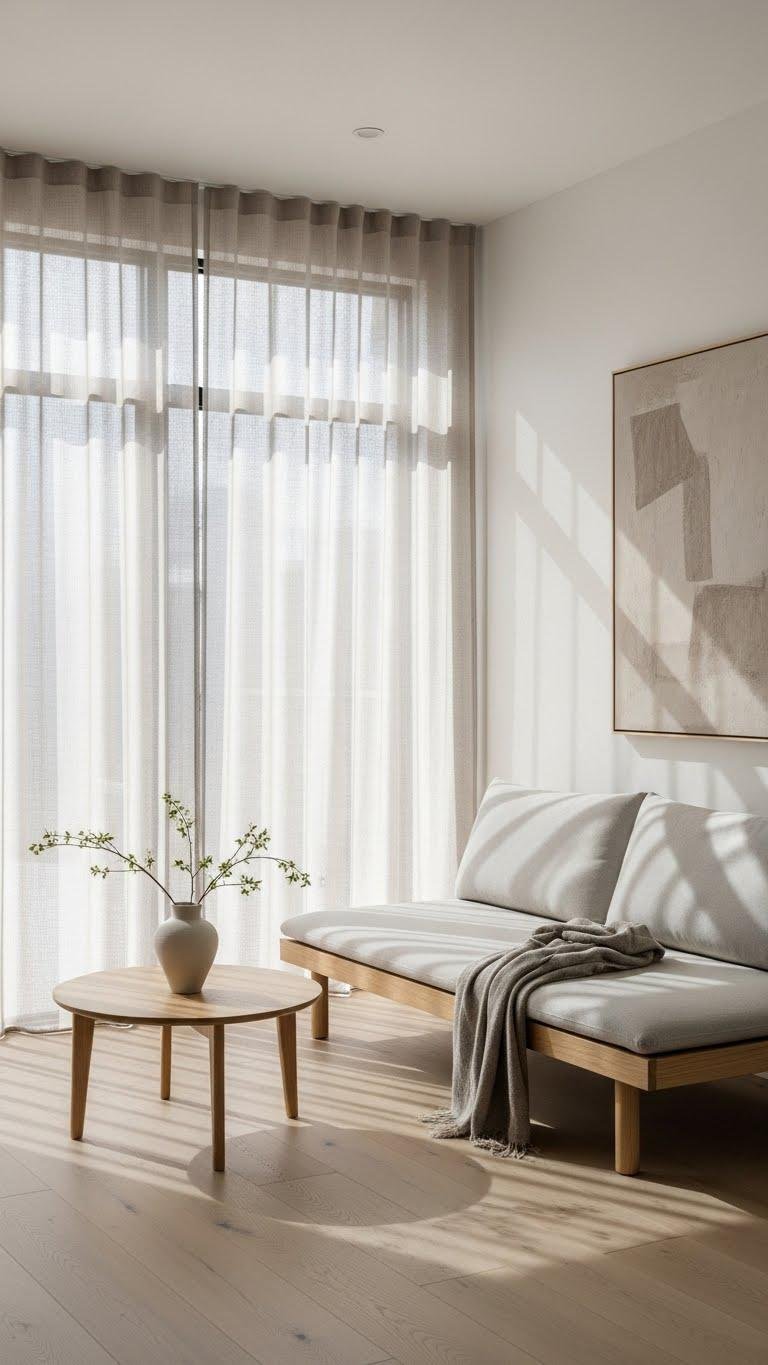
Often you’ll want privacy without dimming the room, and sheer window treatments hit that sweet spot: they filter harsh light into a soft, even glow while keeping views visible and rooms feeling open.
Choose linen voiles or lightweight privacy sheers hung close to the ceiling to lengthen sightlines. They let you control glare, preserve brightness, and keep a calm, unfettered vibe.
Install Floor‑to‑Ceiling Shelving and Built‑Ins
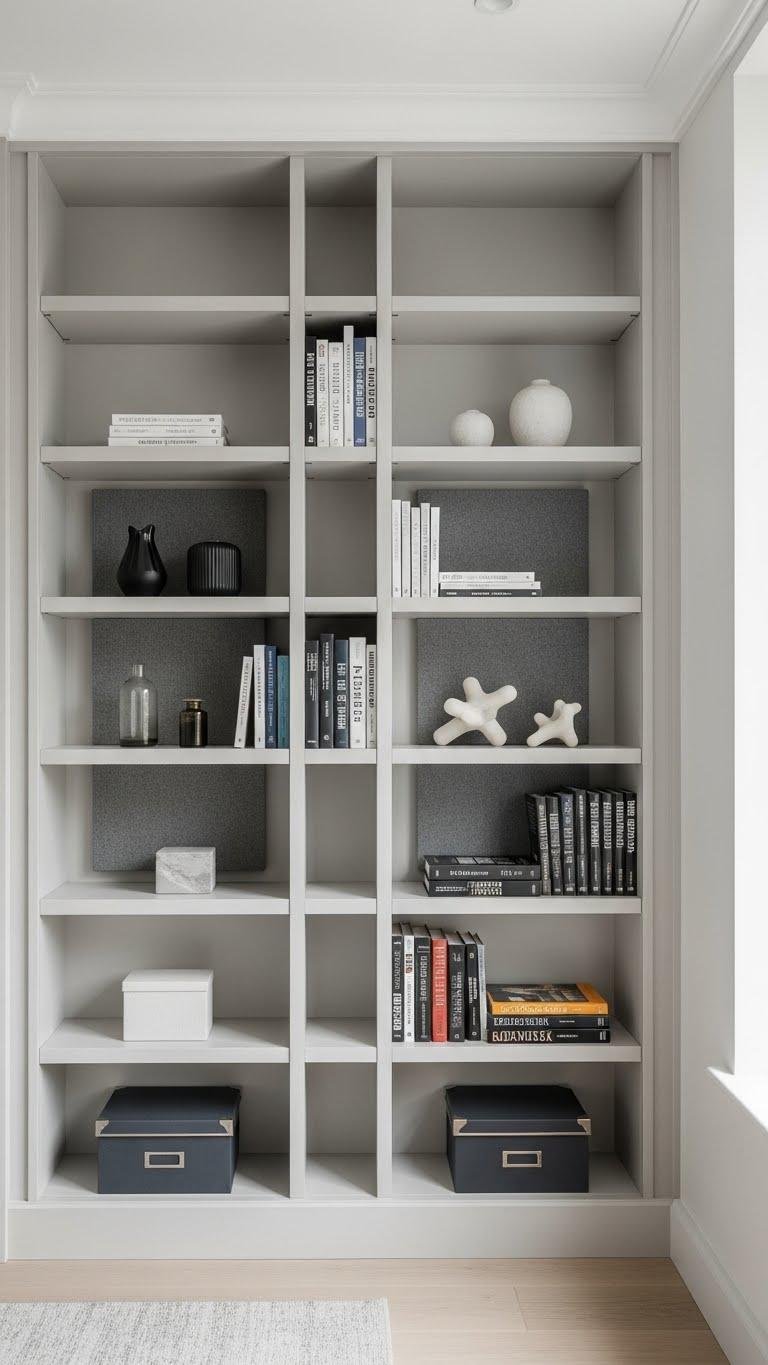
Balance comes from smart storage: floor-to-ceiling shelving and built-ins make small rooms feel taller while keeping surfaces clear.
You’ll customize open shelves for display, tuck clutter into hidden compartments, and add acoustic panels behind books for calm.
Keep lines simple, finishes light, and hardware minimal so the room breathes. Built-ins free floor space and give you curated, functional freedom.
Choose Appropriately Scaled Furniture With Exposed Legs
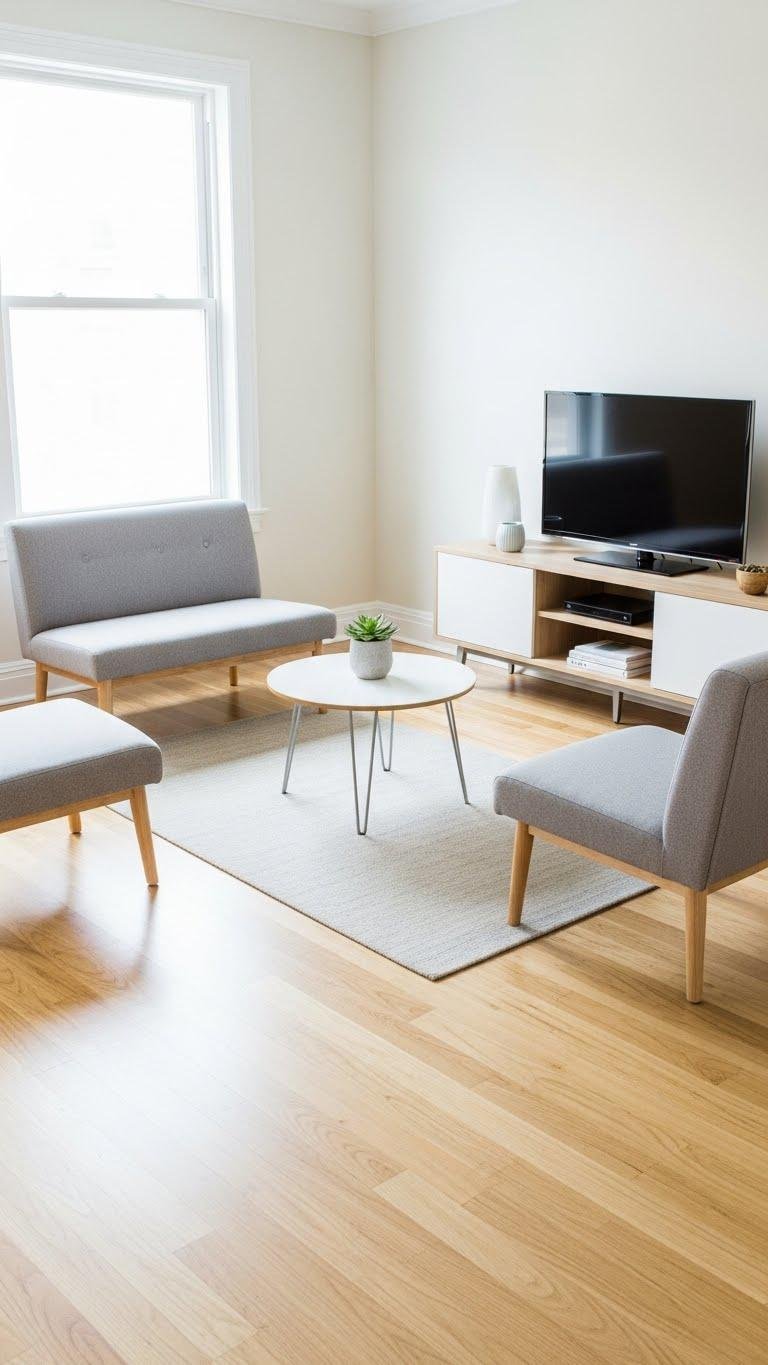
Pick furniture that breathes: smaller-scale pieces with exposed legs keep sightlines open and make a compact room feel airy. You’ll choose items with mindful scale balance so each piece complements the room without crowding.
Exposed leg visibility creates a light, floating effect, letting floors show and air move. Arrange sparingly, favoring low profiles and clear paths for effortless freedom.
Opt for Multifunctional Pieces to Reduce Clutter
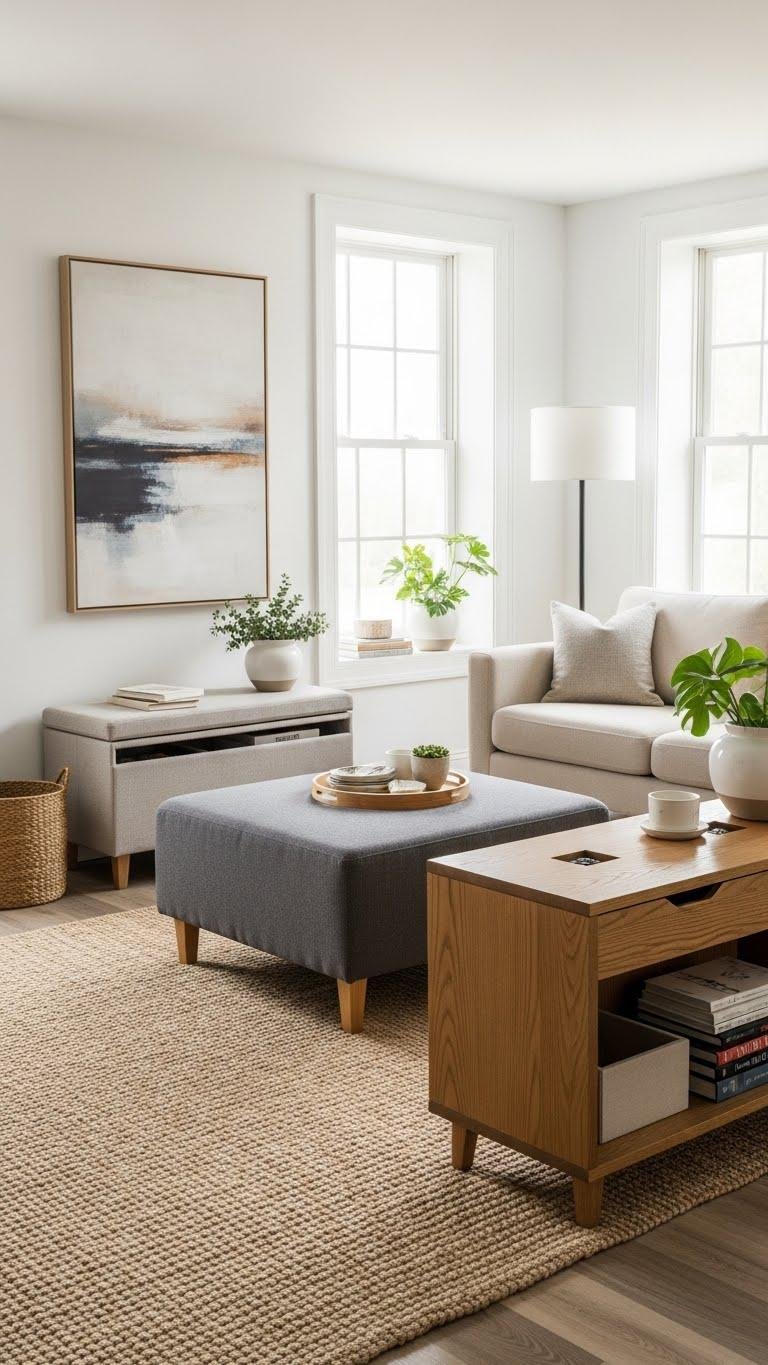
Once you’ve let light and sightlines rule the room with low-profile, legged furniture, make each item work harder by choosing multifunctional pieces that reduce visual and physical clutter.
You’ll favor compact storage benches, hidden compartments under benches or tables, and convertible ottomans that double as seats, tables, or trunks. These choices free floor space and keep your aesthetic clean and liberating.
Keep Window Frames and Trim Minimal
Incorporate Reflective Surfaces and Mirrors
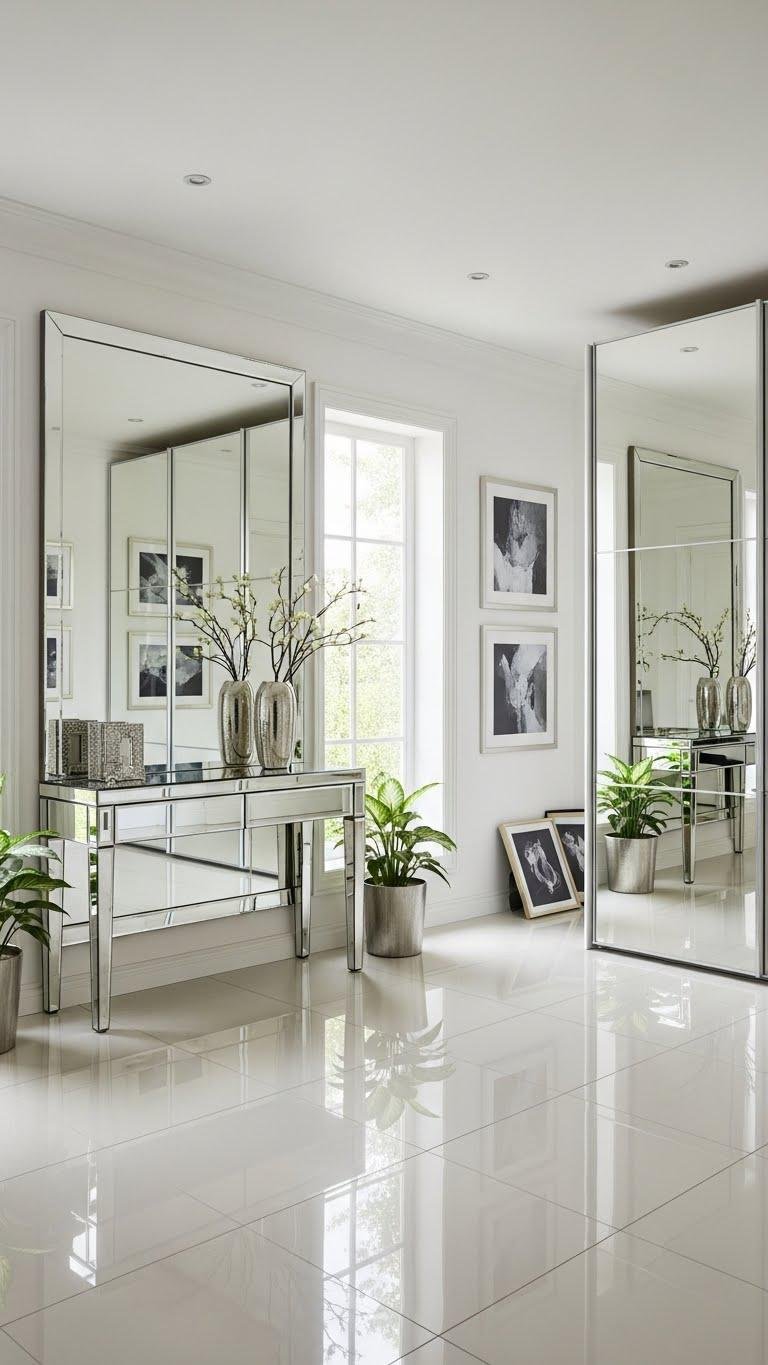
Introduce mirrors and glossy finishes to bounce light and visually expand tight quarters—place a large mirror opposite a window, add a slim mirrored console, or use glossy tiles and lacquered cabinets to amplify brightness.
You’ll free the room by fitting mirrored wardrobes, reflecting art and plants, and layering metallic accents for subtle shine. Keep frames simple so reflections feel airy and unconfined.
Position Seating Toward Light Sources
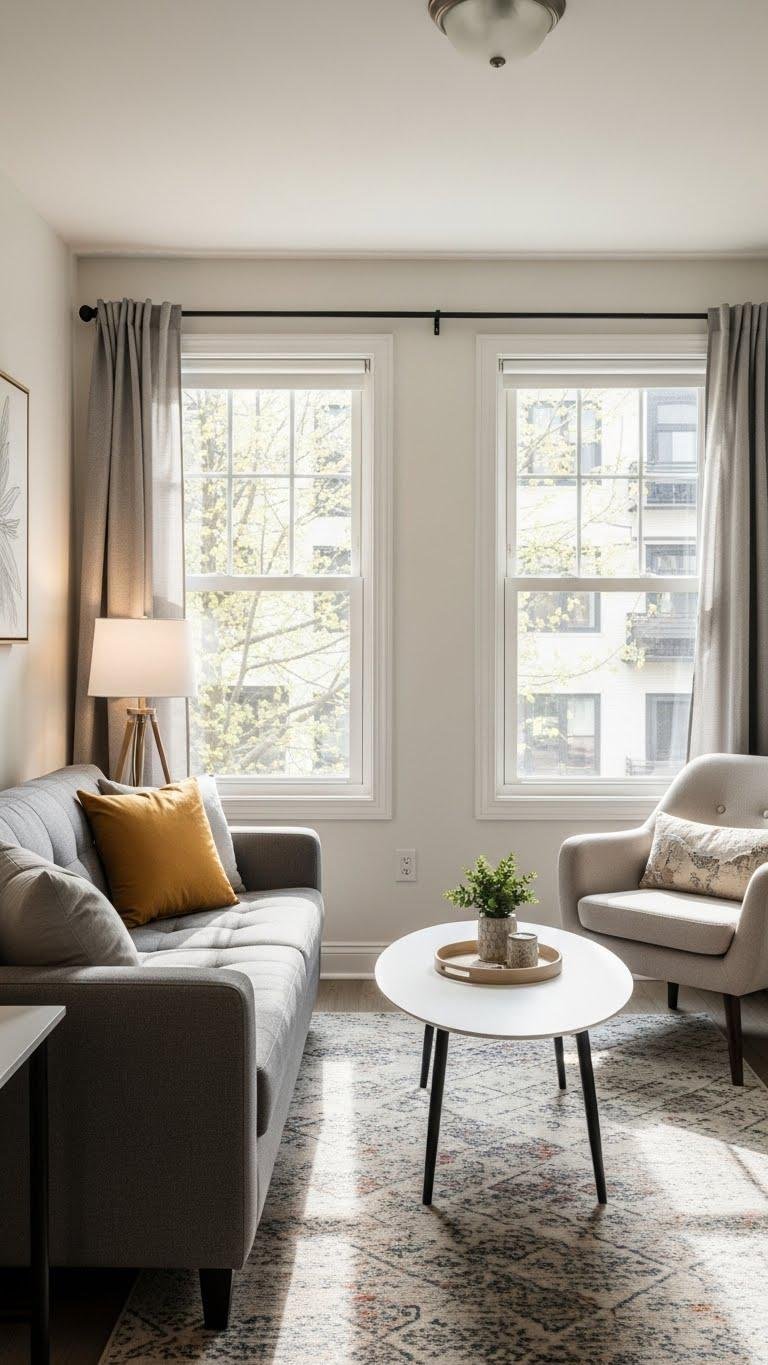
Facing seating toward windows or layered light instantly opens a small room and makes it feel more welcoming; place your sofa, chair, or bench to capture daylight and sightlines so the space reads larger and livelier.
Angle accent seating to create sunlit focalpoints, keep pathways clear, and choose low-profile pieces.
You’ll feel freer, enjoy views, and maximize natural glow without clutter.
Create Zones With Glass Partitions or Crittall Doors
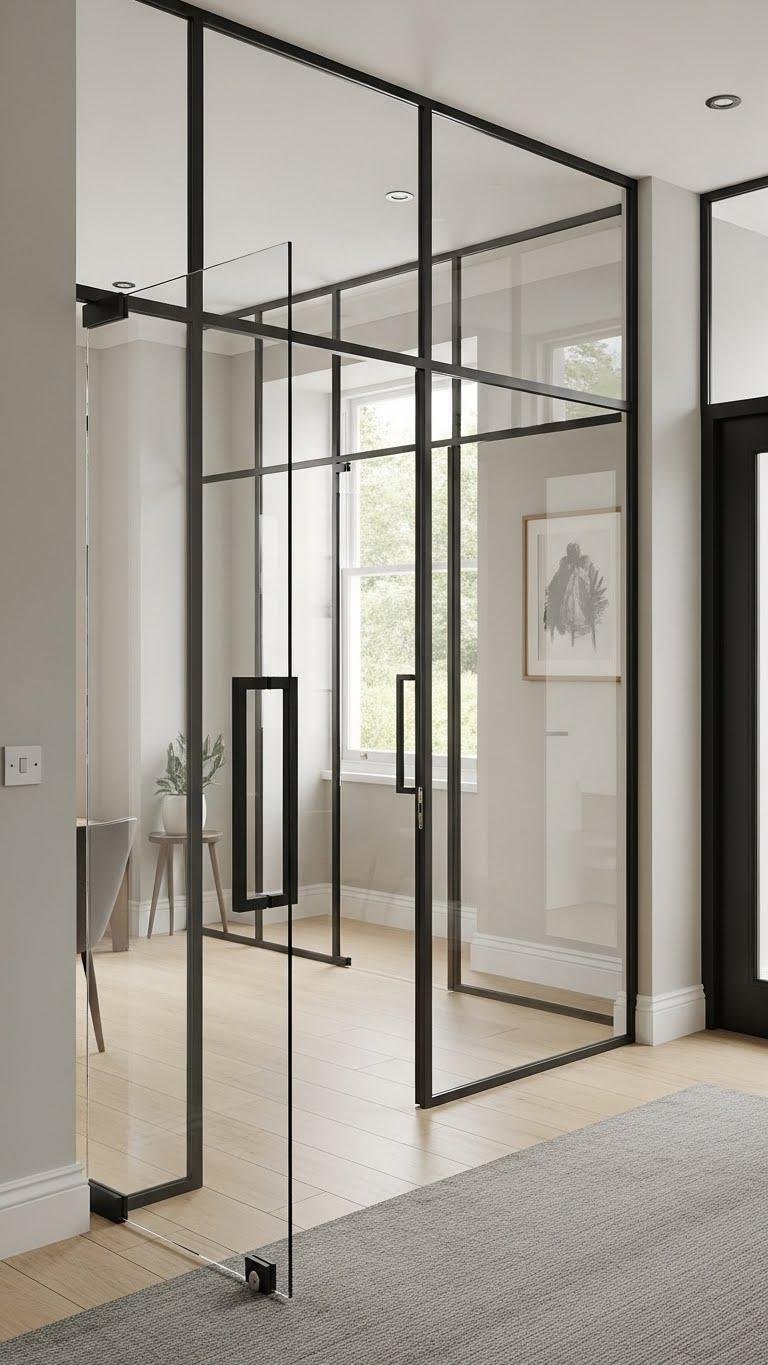
Although you want separate areas, glass partitions or Crittall doors keep sightlines and light intact while defining distinct zones.
You’ll get crisp separation without feeling boxed in. Choose slim frames, heritage hardware for character, and acoustic glazing where you need quiet.
Install sliding or hinged panels to control openness. This lets you move freely between spaces while preserving an airy, connected home.
Use Shallow, Room‑Width Storage Units
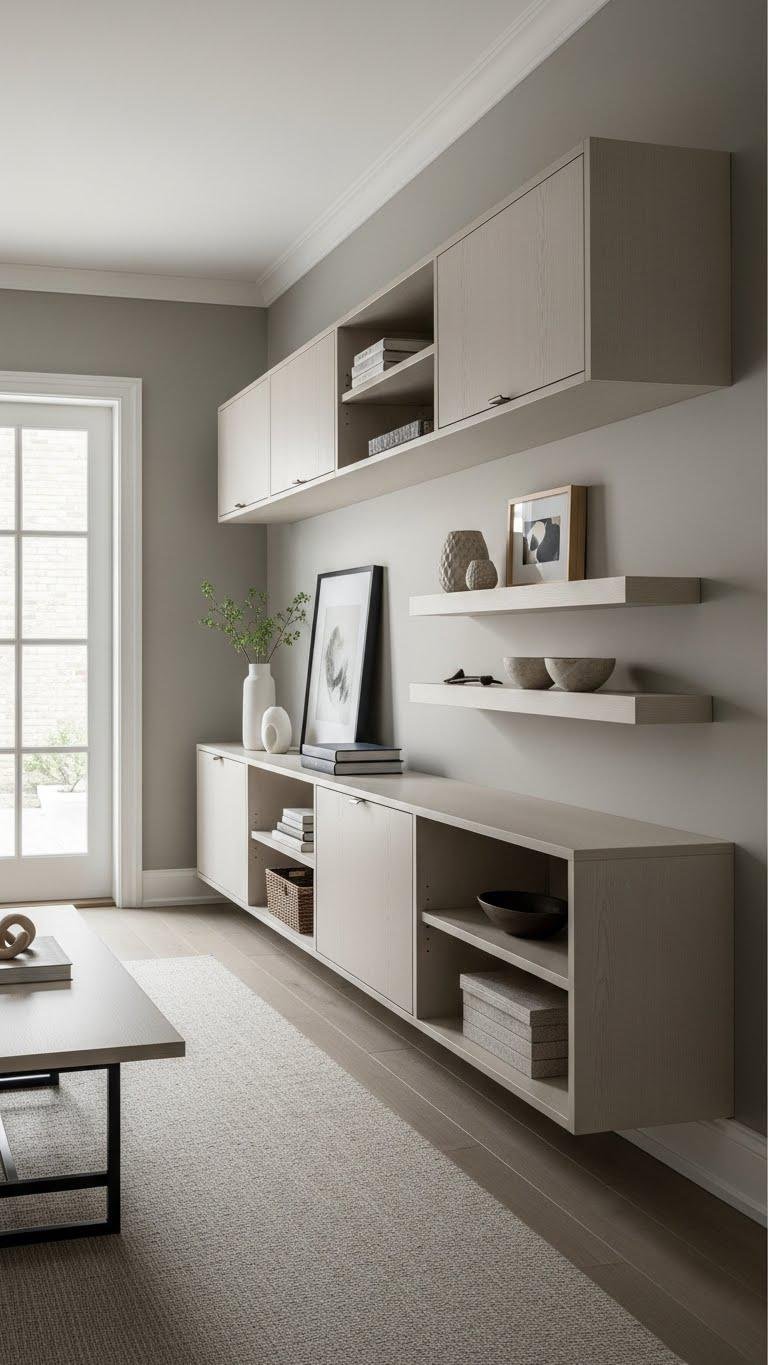
A single shallow, room‑width storage run instantly organizes without eating into circulation — think 10–12″ deep cabinets or open shelving that span the wall from door to window.
You’ll use shallow credenzas and wall consoles to keep essentials tucked away, display a few artful items, and maintain sightlines.
Choose low profiles, continuous surfaces, and hidden hardware so the space breathes and you move freely.
Maintain Clear Circulation Paths in Layouts
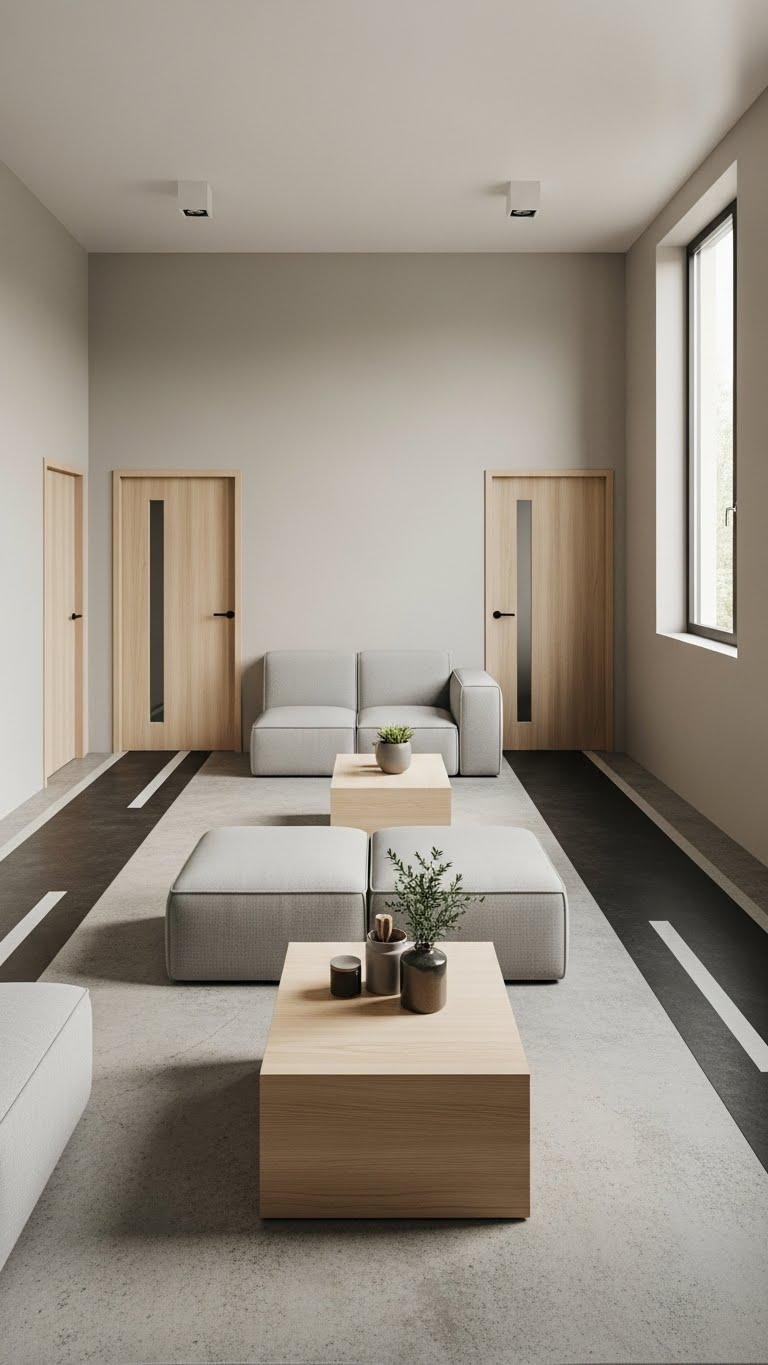
To keep a small space feeling open, map clear circulation paths that let you move without detours or obstacle checks. Position furniture to preserve traffic flow, leaving straight lines between doors and key zones.
Create ergonomic pathways wide enough for comfortable movement, use low-profile pieces to sightline across the room, and keep floors uncluttered so you can move freely and confidently.
Adopt a Light, Neutral Base Colour Palette
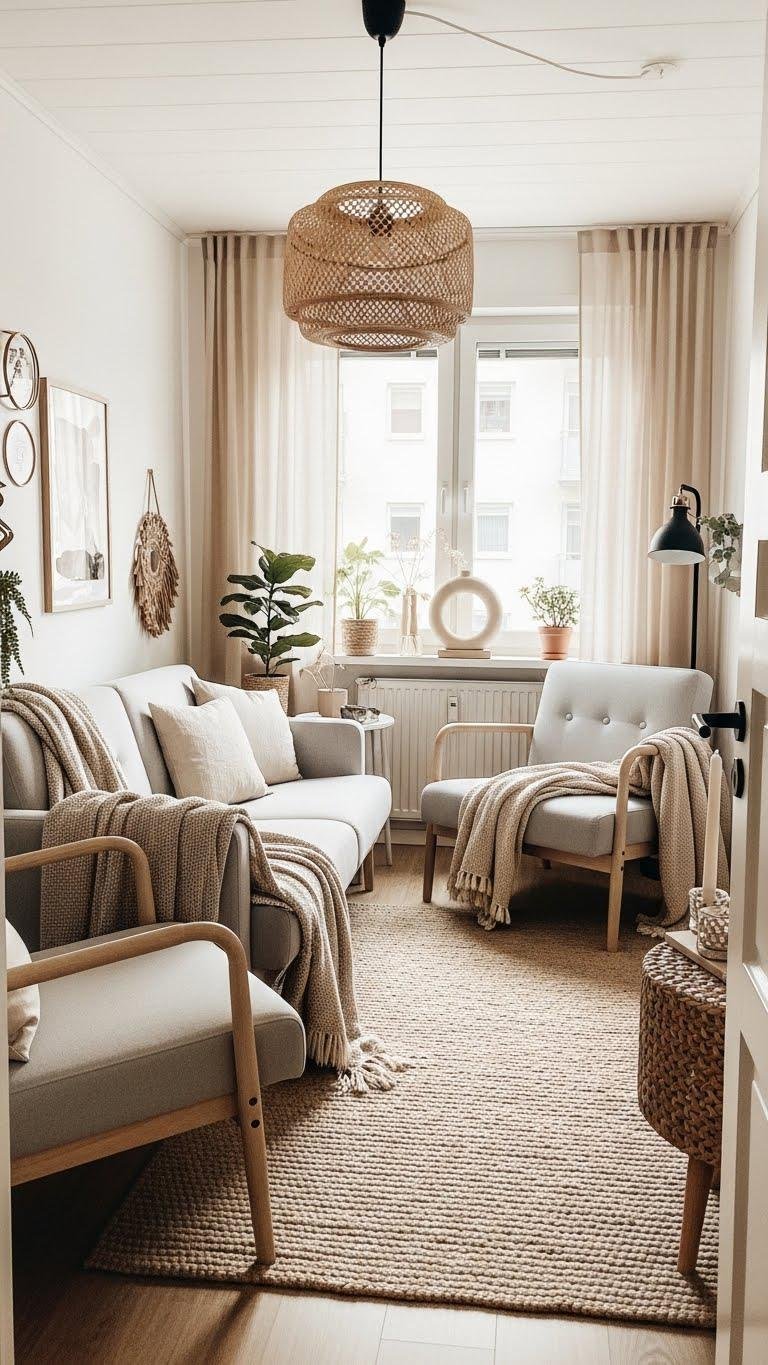
Start with a light, neutral base—think soft whites, warm beiges, or pale greys—to instantly make a small room feel airy and expansive.
Paint walls with cool undertones to open sightlines, then layer soft textures in rugs, throws, and curtains to keep it inviting.
Keep furniture streamlined and finishes matte or satin to reflect light without glare, preserving a liberated, uncluttered vibe.
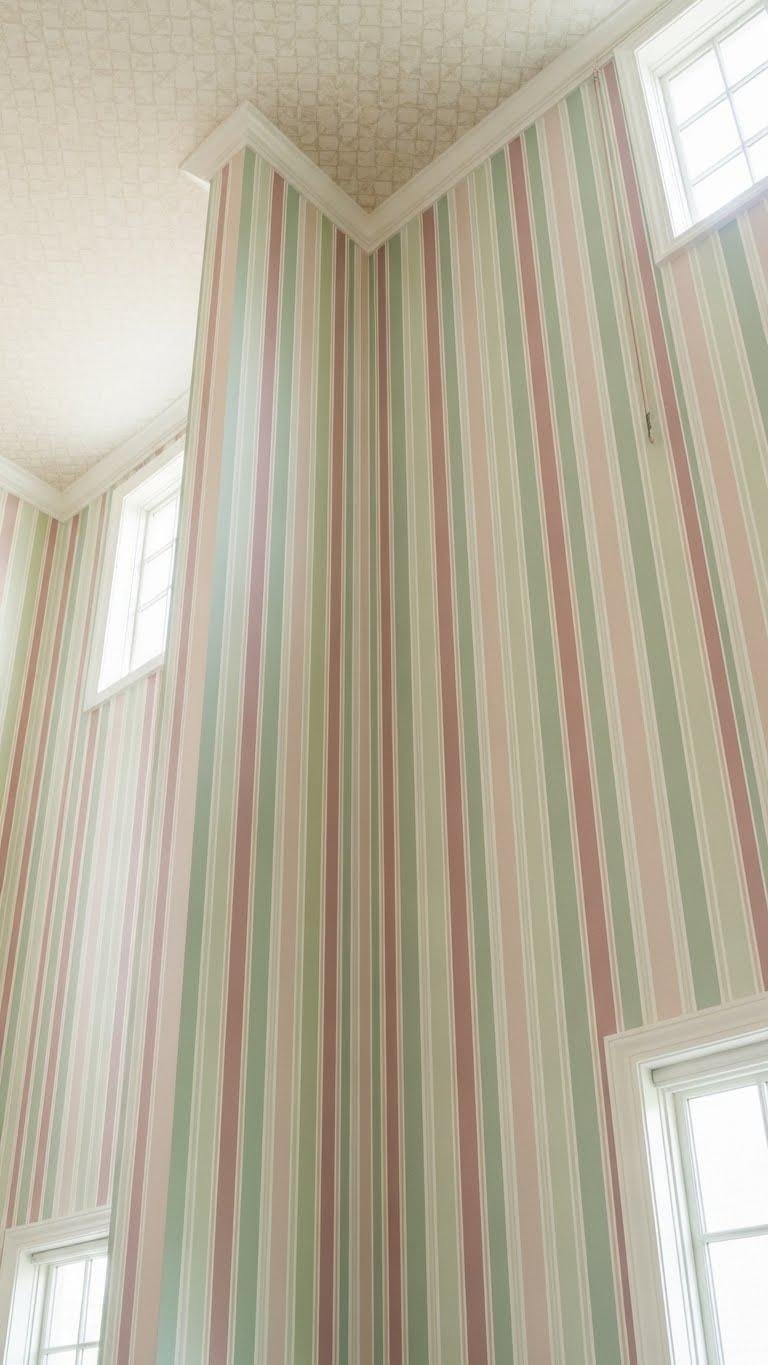
Add Vertical Stripes or Wallpapered Ceilings to Emphasise Height
Balance Open Shelving With Closed Cabinets
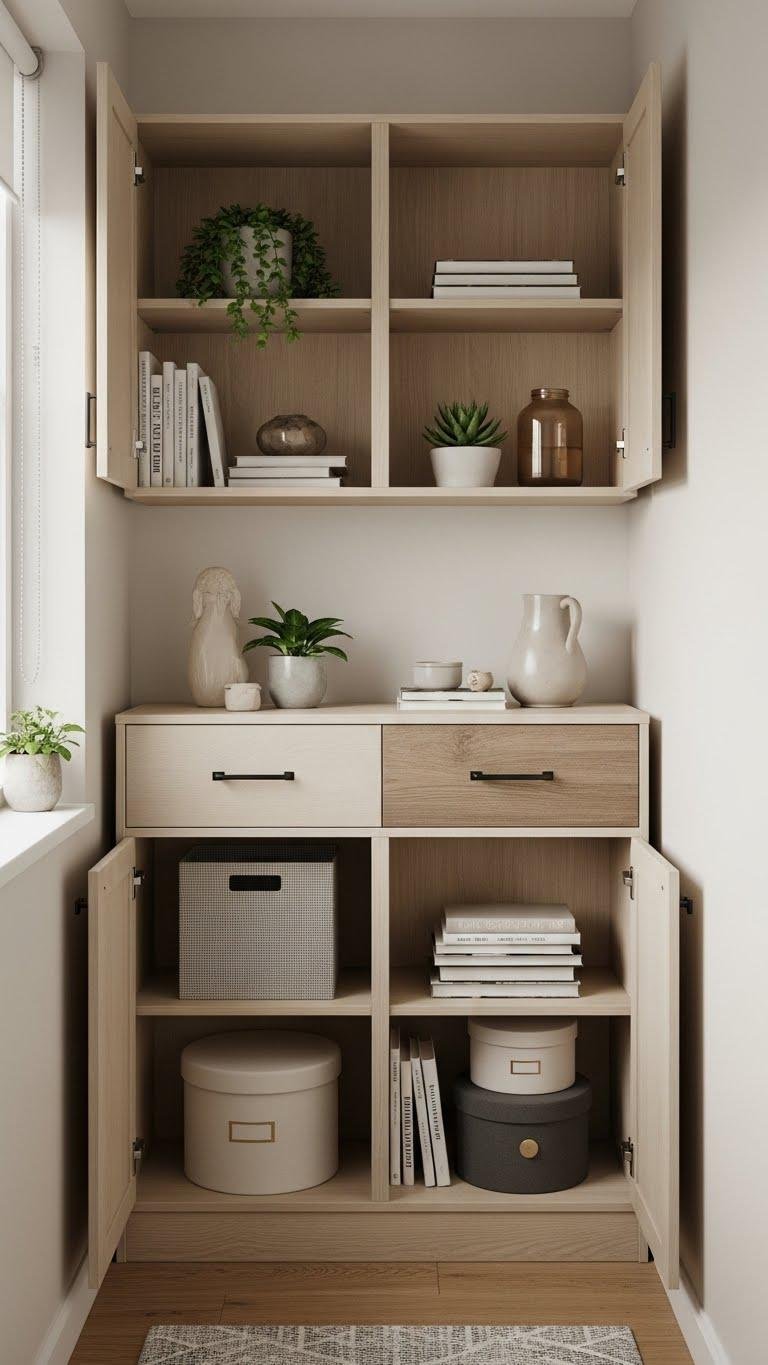
Mix open shelving with closed cabinets so your small room breathes without looking cluttered: display a few curated items—plants, stacked books, a favorite vase—on the shelves, and hide everyday clutter, appliances, or paperwork behind doors.
Use open back cabinetry to keep sightlines light, pair it with mixed material fronts for character, and choose simple hardware so you feel free and organized.
Limit Small Busy Patterns; Choose Larger‑Scale Motifs
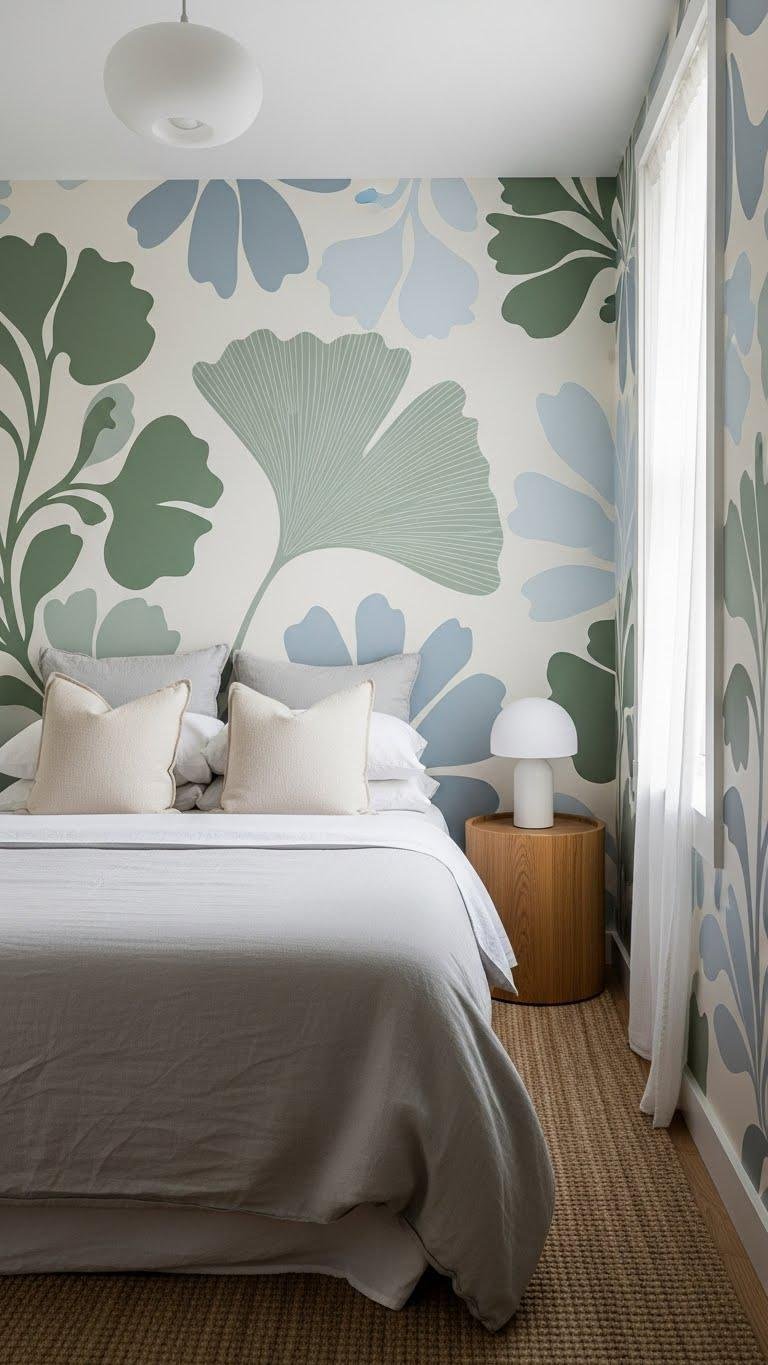
In a compact room, small busy patterns can make walls and surfaces feel cramped, so choose larger-scale motifs that give your eye room to rest.
You’ll create scale contrast by pairing a bold, airy wallpaper with simple textiles.
Let pattern rhythm guide placement—one focal motif, neutral surroundings, consistent scale—to promote ease, movement, and a sense of open possibility in tight spaces.
Integrate Storage Into Functional Elements (Stairs, Window Seats)
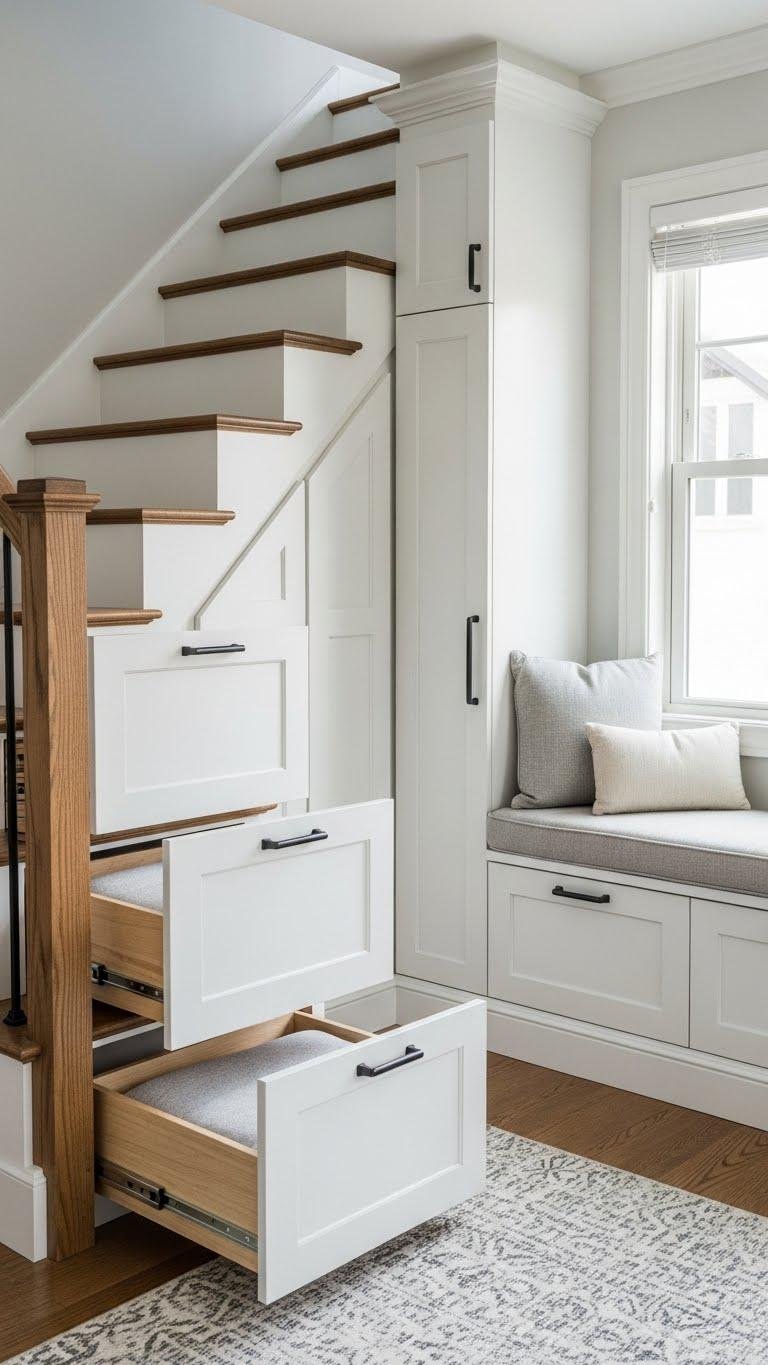
Because every inch counts in a small space, tuck storage into the things you already use: turn stair risers into pull-out drawers and make a window seat double as a linen chest or toy bin.
You’ll free floor area and calm visual clutter with hidden drawers and stair cubbies. Choose clean fronts, soft-close hardware, and light finishes to keep the room airy and liberating.
Use Transparent or Slimline Accent Furniture
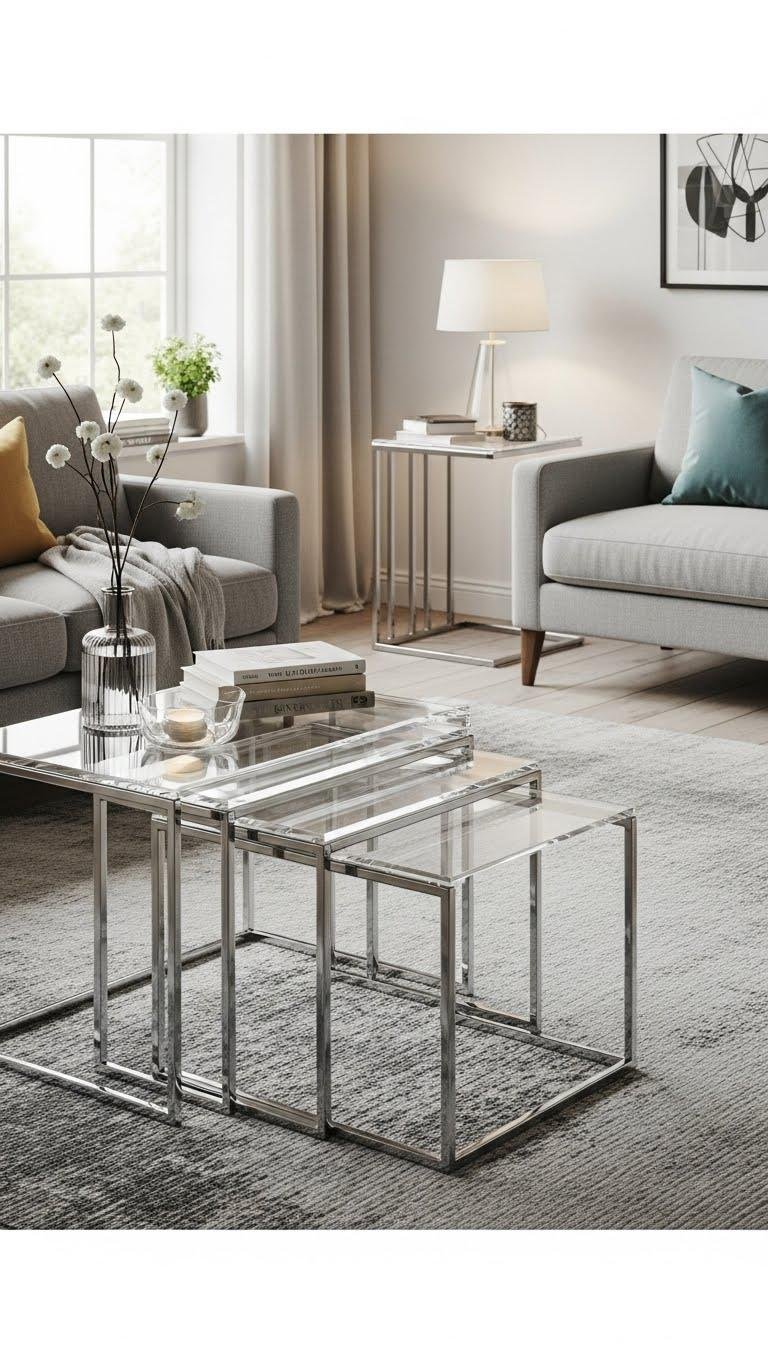
Drawing the eye without weighing the room down, transparent or slimline accent furniture keeps pathways open and sightlines long—so you’ll feel the space breathe.
Choose transparent stools or slim metal-legged side tables to anchor corners without blocking flow. Acrylic nesting tables slide away when you need room. Pick pieces with airy profiles and tactile surfaces so movement feels effortless and your small space stays liberating.
Layer Lighting to Define Zones Without Walls
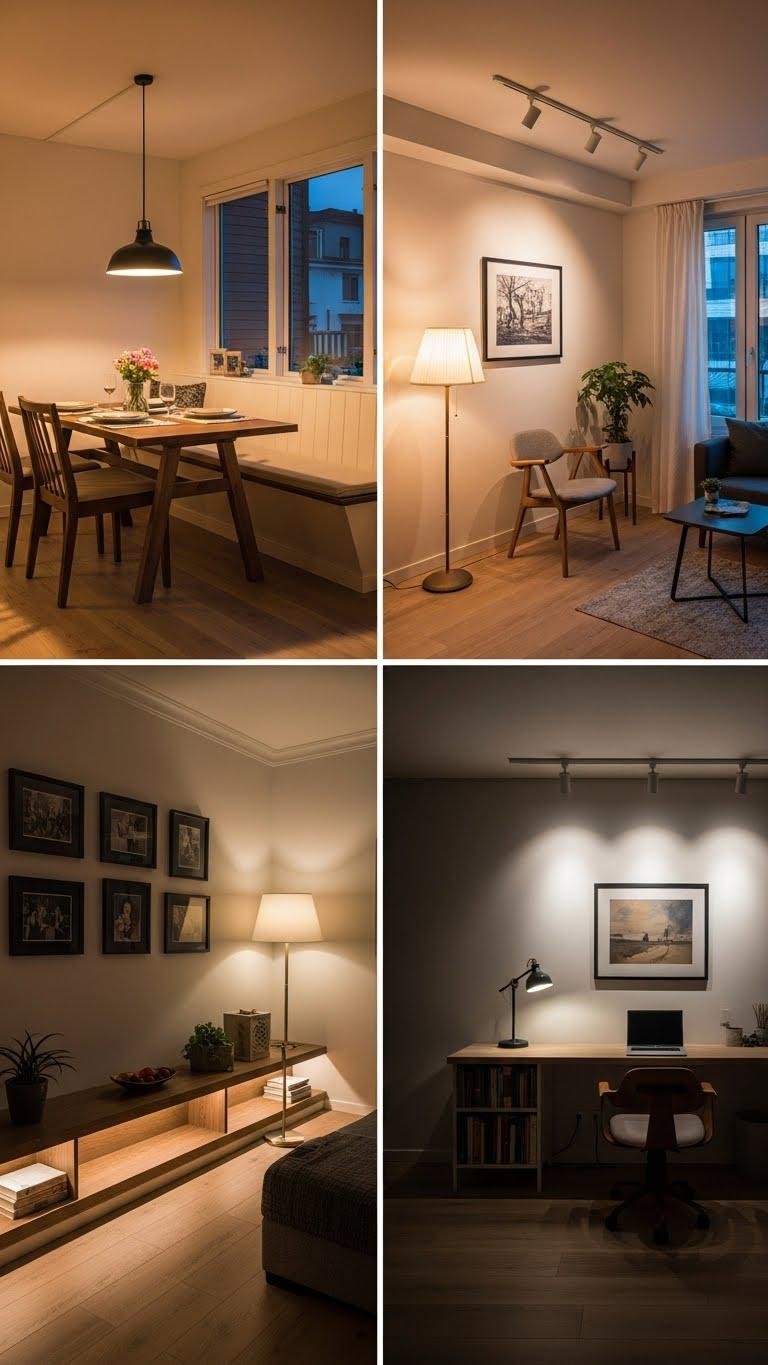
Light layering helps you define zones without adding bulk or walls. Use accent pendants over a dining nook, floor lamps for a reading corner, and track or strip lights to wash a workspace.
Underfloor lighting along a gallery wall or beneath shelving creates subtle paths. Mix dimmers and warm tones so you control mood and flow, keeping the space open and free.
Employ Low‑Profile Partitions Like Banquettes or Low Bookcases
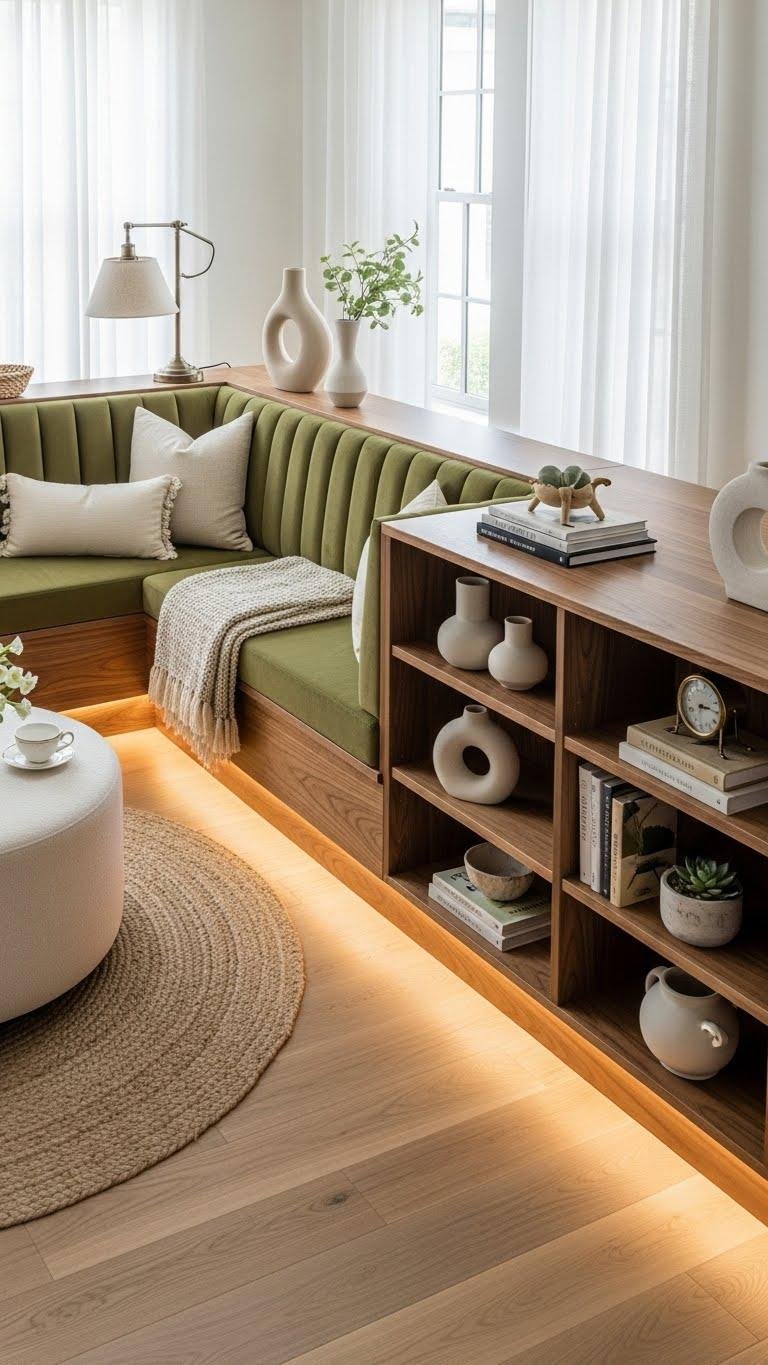
When you need separation without closing off a room, choose low‑profile partitions like banquettes or short bookcases to anchor zones while keeping sightlines open.
You’ll define areas without feeling boxed in: tuck seating with banquette lighting for cozy depth, or position low bookcase styling to display essentials and store clutter.
These pieces guide movement, create pockets of privacy, and keep the space airy.
Create Visual Continuity With a Unified Palette Across Zones
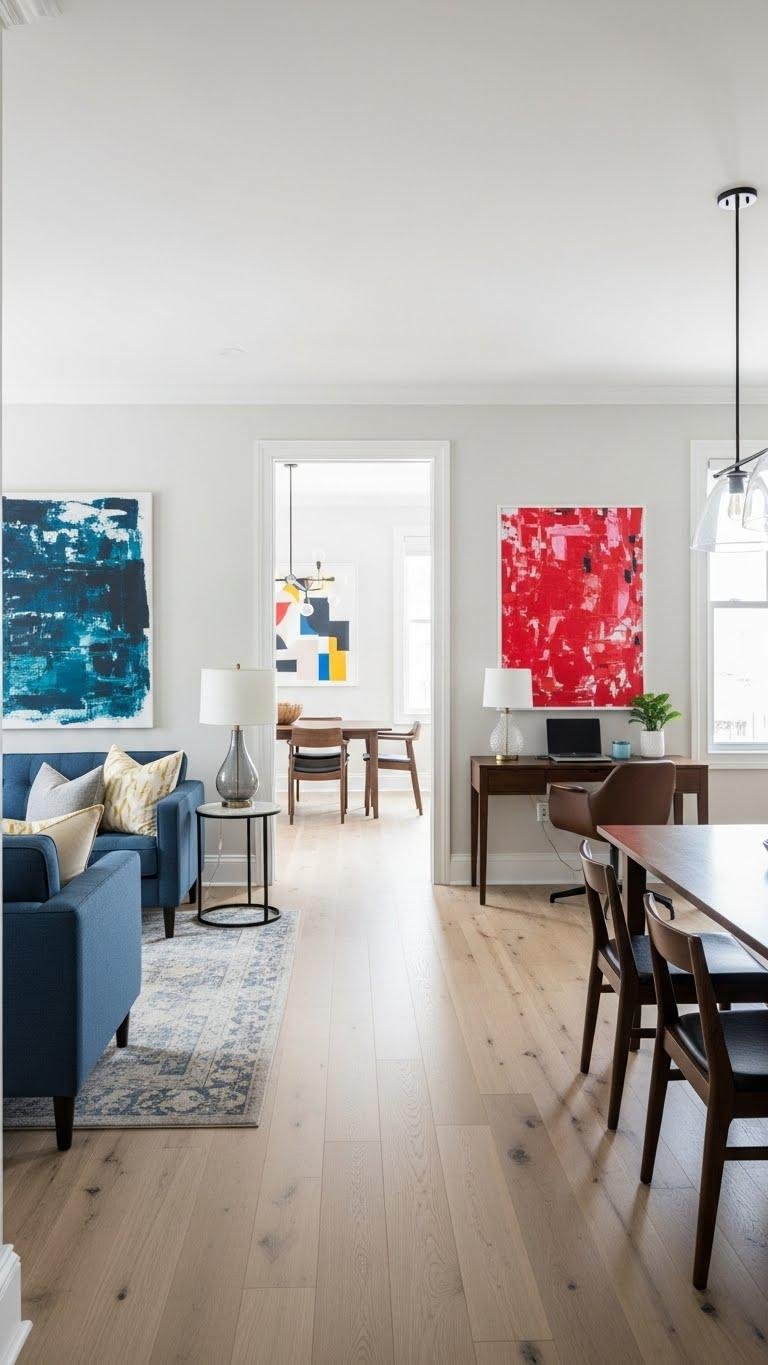
If you want the whole room to feel larger and intentional, use a unified palette to tie zones together—pick two to three core colors and repeat them in different textures and scales so each area reads as part of one composition.
You’ll choose harmonious finishes, echo accents in textiles and art, and keep tonal flooring consistent so sightlines flow. That cohesion frees you to arrange boldly.
Streamline Surfaces and Reduce Decorative Objects
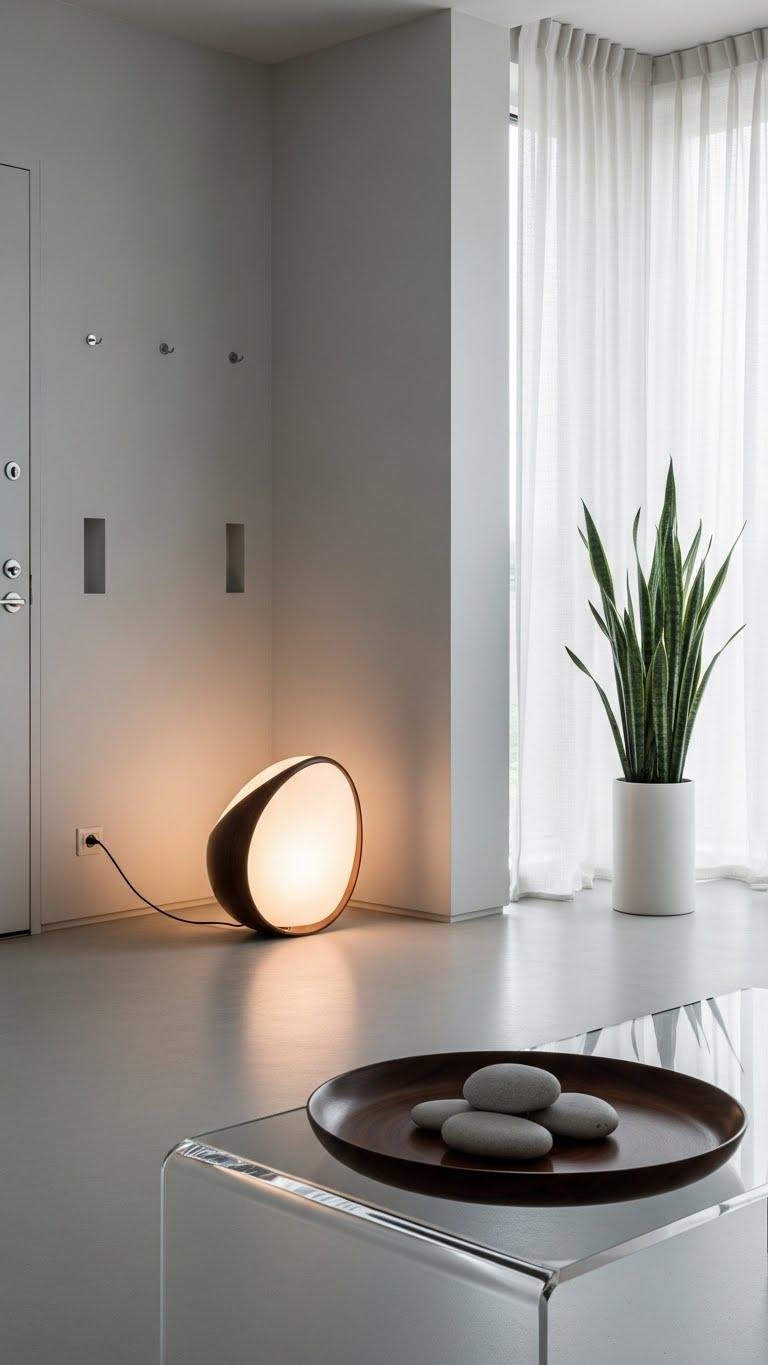
Because clutter visually shrinks a room, clear surfaces and fewer decorative objects make small spaces feel airier and more purposeful.
You’ll choose a few minimalist vignettes—one sculptural lamp, a single tray, a slim plant—and rely on hidden hooks for functional items. Keep surfaces intentional, rotate pieces seasonally, and let negative space act as breathing room so the room feels free and calm.
Organise Storage With Labelled Zones and Regular Decluttering
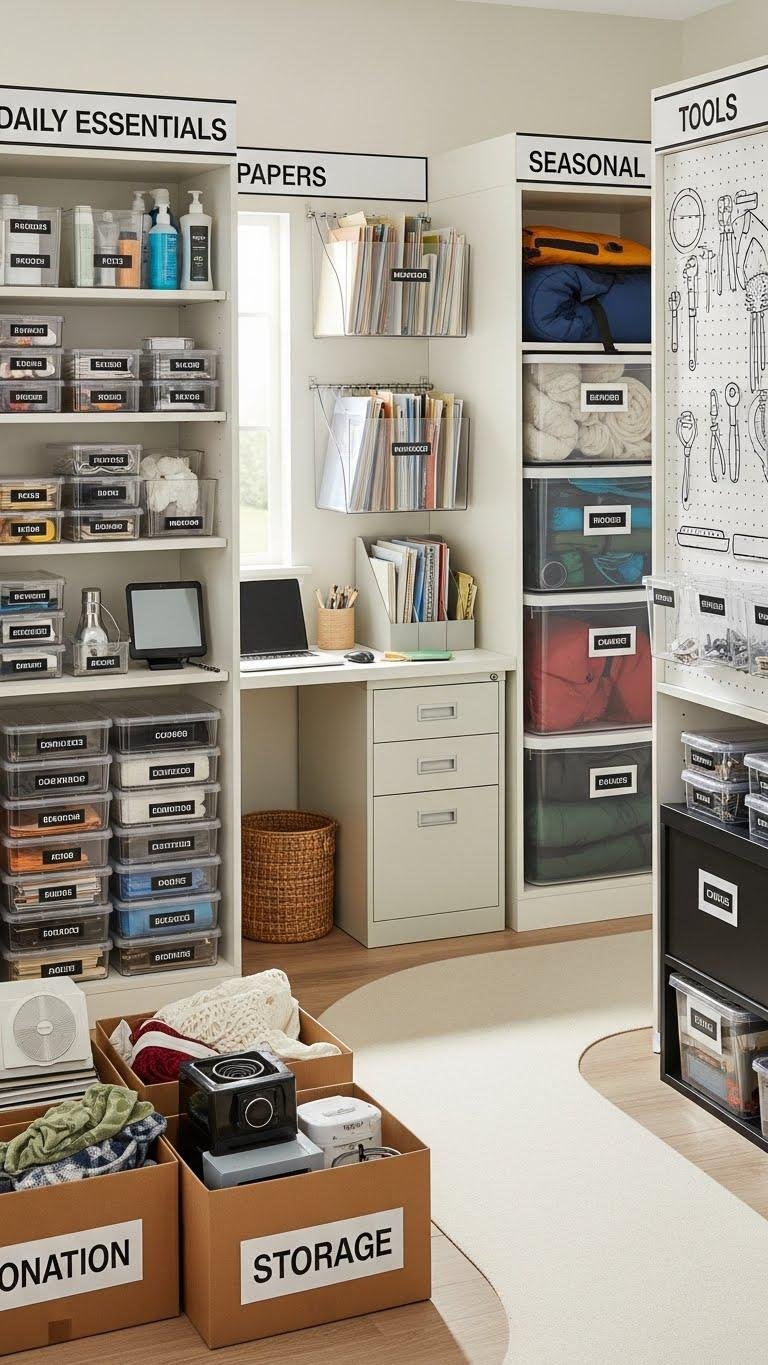
Regularly carve your space into labelled zones—think “daily essentials,” “papers,” “seasonal,” and “tools”—so you can see where everything belongs at a glance.
You’ll set a simple label system, clear containers, and visible pathways.
Schedule a seasonal purge to free floor and shelf space, donate or store rarely used items, and maintain order.
You’ll move easily and feel unburdened.