
You’ll make rooms feel larger and more connected by prioritizing light, not just windows. Think floor-to-ceiling glass, clerestories, skylights and interior lightwells paired with slim frames and acoustic glazing. Swap solid doors for glass, mount curtains high and wide, choose pale floors and low-profile furniture, and add reflective accents to amplify daylight—practical moves that boost comfort and privacy while opening up your home, and there’s a clear sequence to follow next.
Install Floor-to-Ceiling Windows
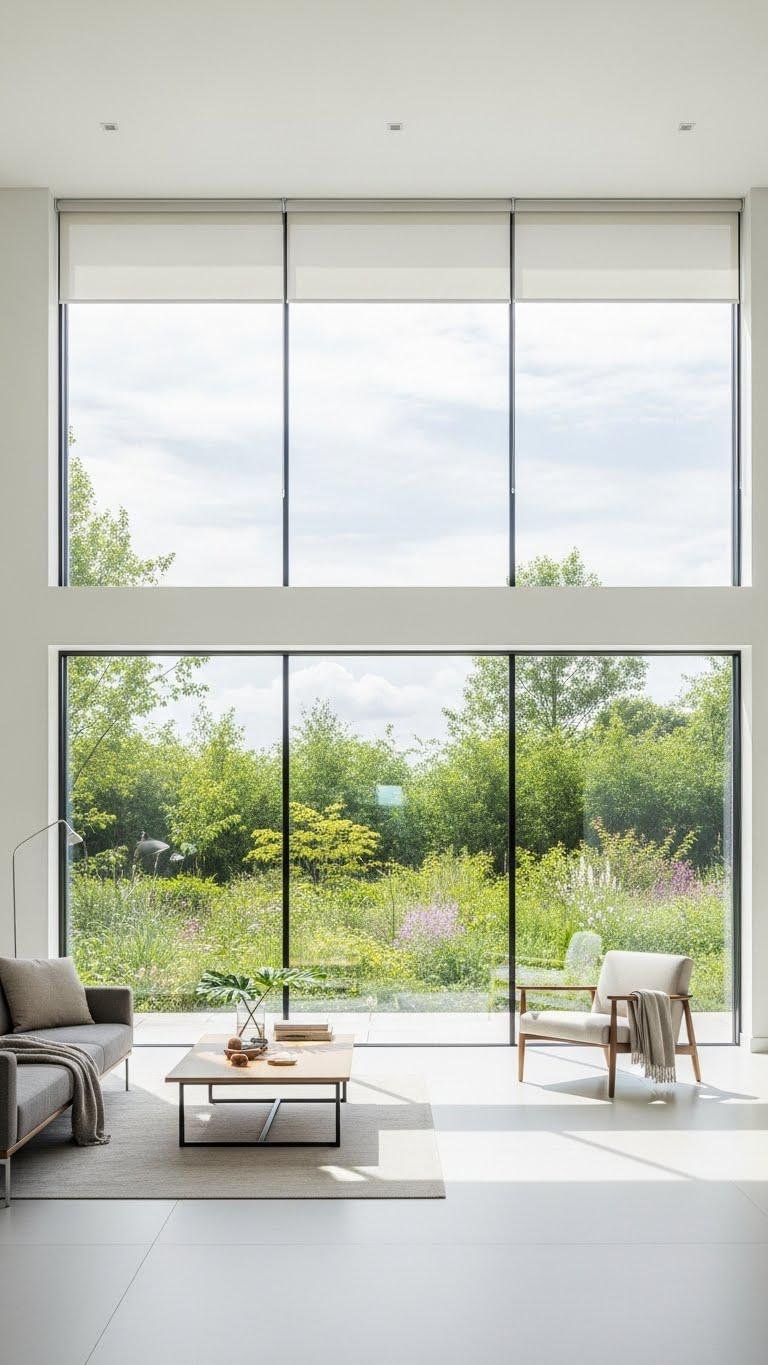
Open up your space with floor-to-ceiling windows to blur the line between indoors and out and flood rooms with natural light. You’ll maximize views and ventilation, choosing frames with thermal breaks to cut energy loss and acoustic glazing to hush outside noise.
Keep minimal mullions, orient panels for privacy, and pair with simple shades so you can move freely and live bright, calm, and efficient.
Add Clerestory Windows for High Light
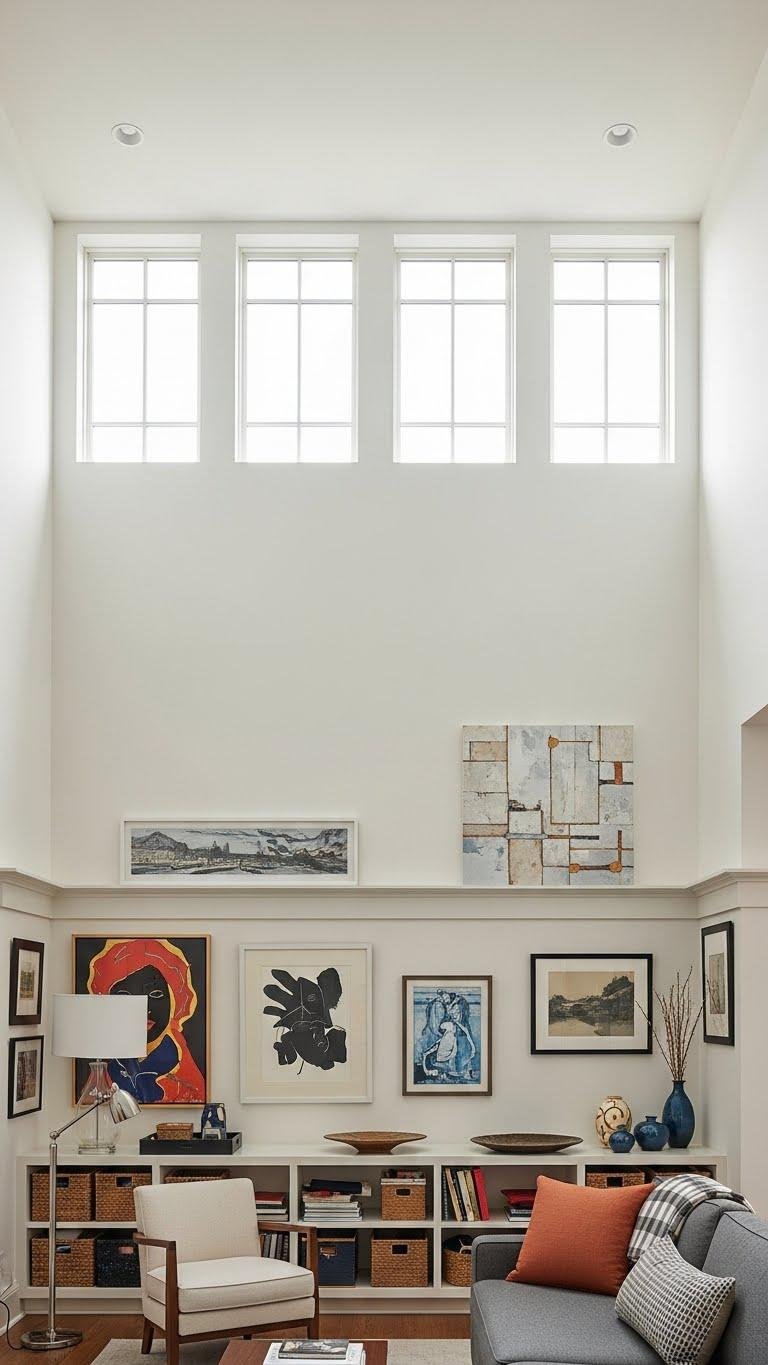
When you raise a band of clerestory windows high on a wall, they pull in bright, even daylight without sacrificing wall space for art or storage. Embrace vertical glazing to bathe rooms in soft, consistent light while keeping lower walls free.
Upper clerestories give lofty openness, improve privacy, and let you arrange furniture freely—practical, elegant, and liberating for a calm, airy home.
Use Skylights or Tubular Daylighting Devices
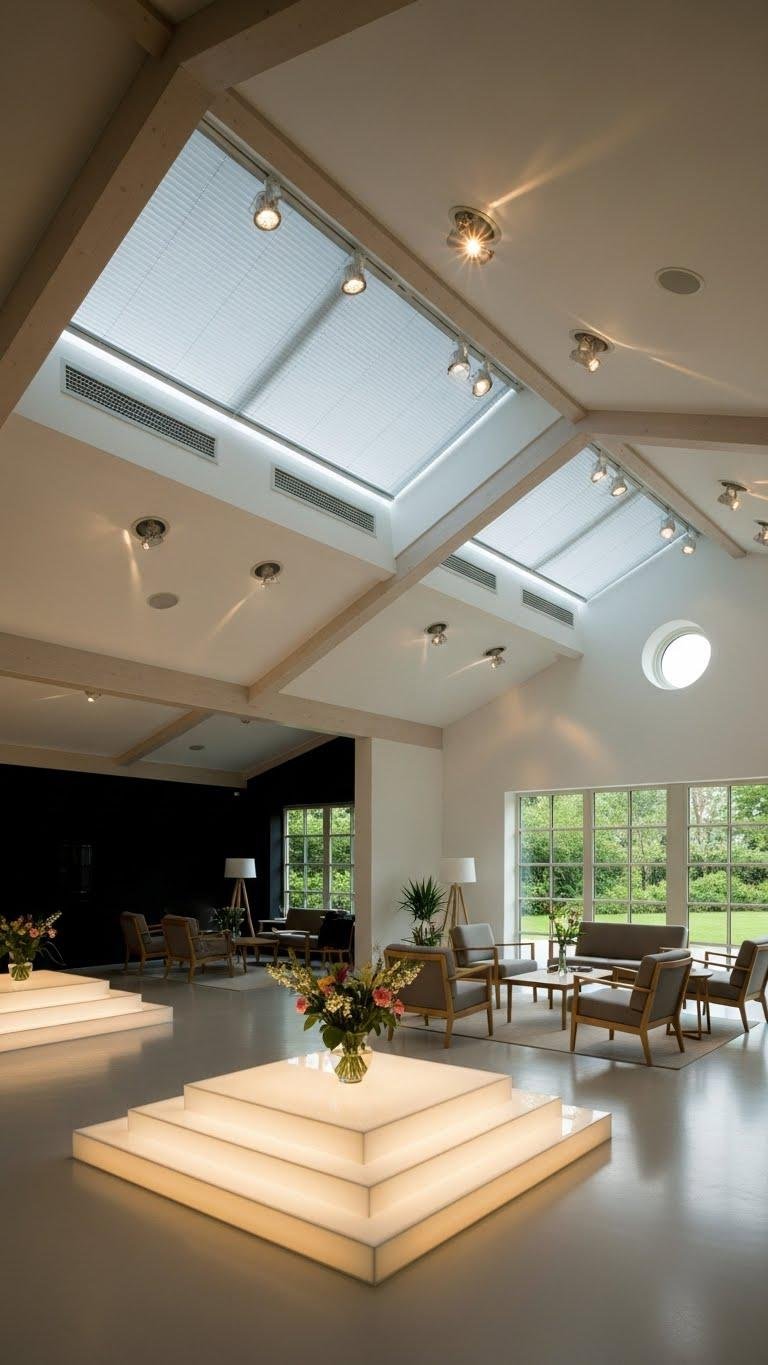
If clerestory windows lift light from the sides, skylights and tubular daylighting devices bring it straight down from above, filling the core of a room with bright, natural illumination.
You can install skylights or solar tubes to free up dark corners, create airy sightlines, or pair with light wells for gentle diffusion. Choose efficient models to control glare and ventilation.
Replace Solid Doors With Glass Doors
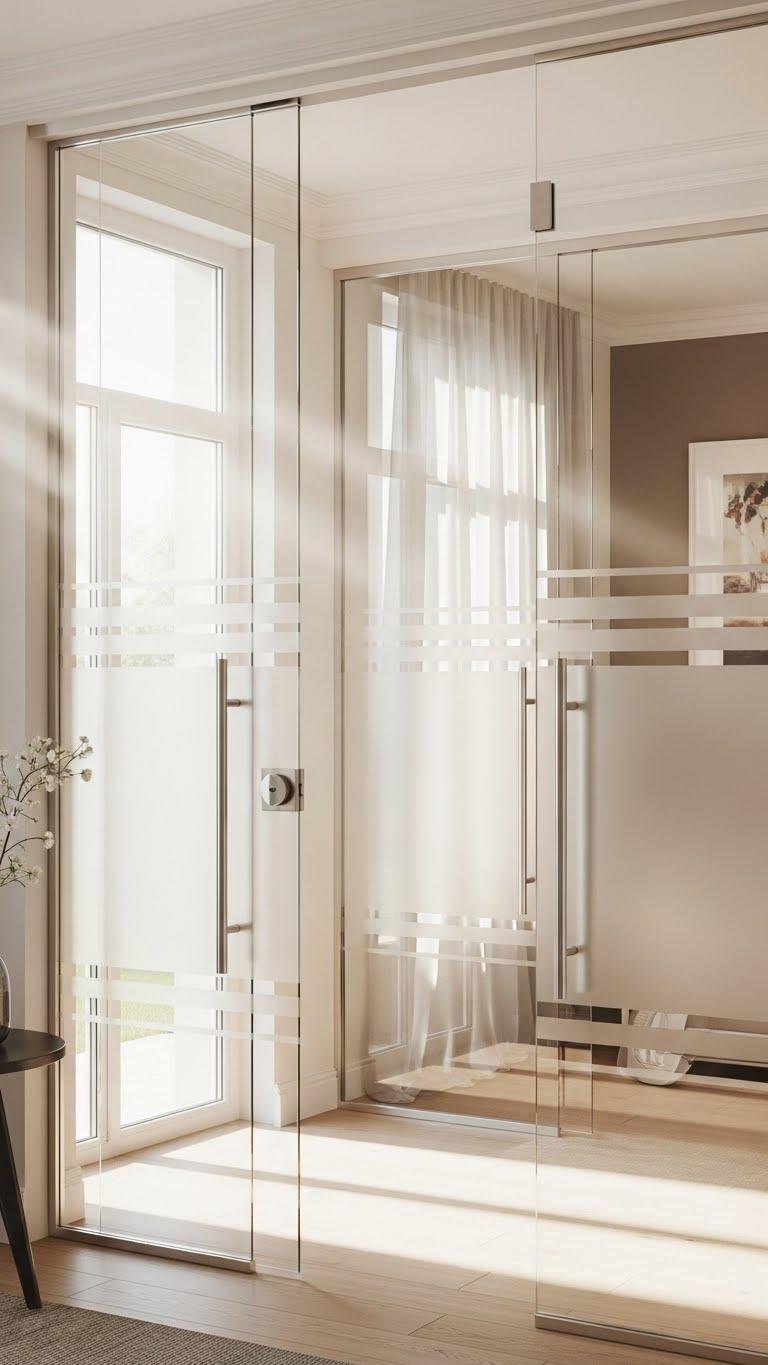
Swapping solid doors for glass ones instantly floods adjoining spaces with borrowed daylight, visually expanding rooms while keeping separation intact.
You’ll embrace openness without sacrificing comfort by choosing frosted privacy or patterned panes that diffuse light and hint at shapes. Pick slim frames and warm finishes to keep a liberated, airy vibe. Install smoothly so light flows and movement feels effortless.
Introduce Transom and Sidelight Windows

By adding transom and sidelight windows, you’ll brighten entryways and interior doorways without losing privacy or wall space. Choose heritage transoms for character and scale; pair with slim acoustic sidelights to reduce noise while admitting light.
You’ll maintain clean sightlines, preserve wall function, and enjoy airy rooms that feel free and intentional—practical refinement that elevates both mood and form.
Orient Windows to Capture Prevailing Sun
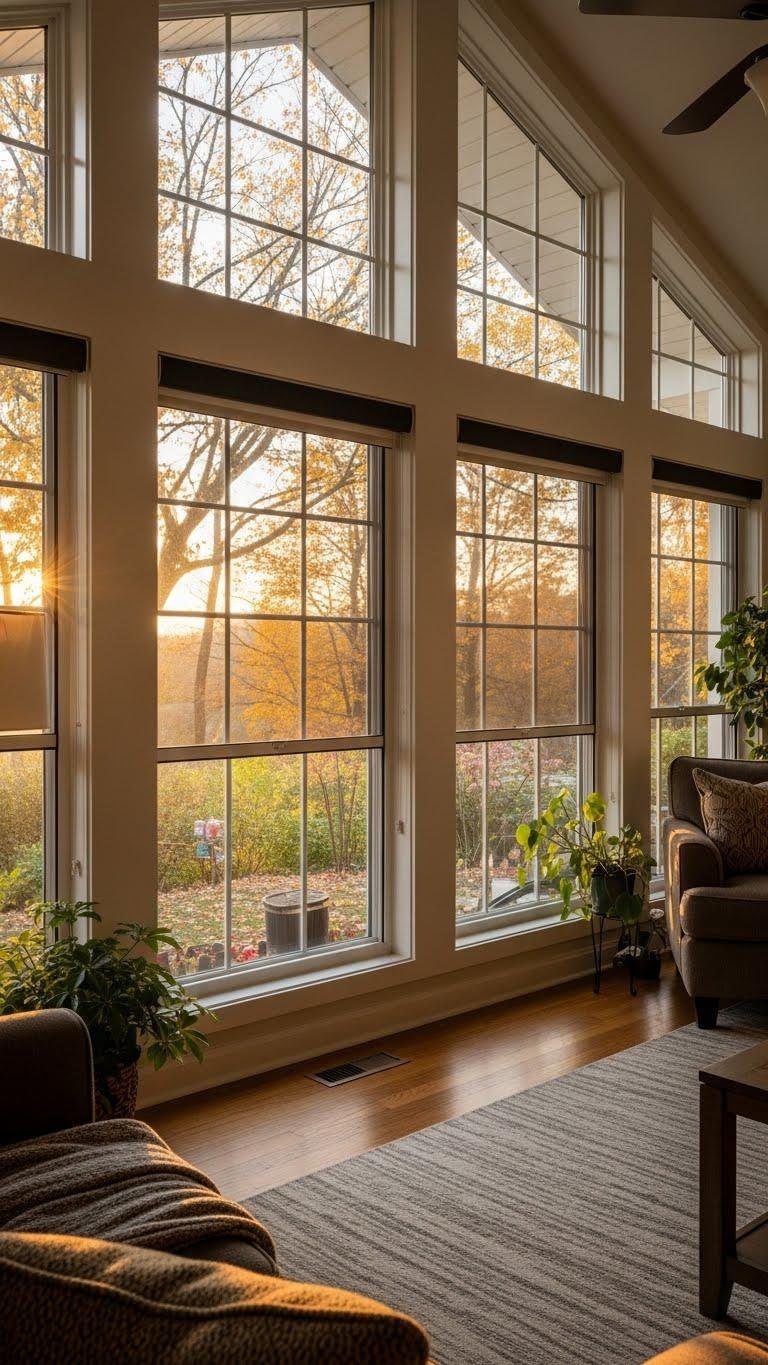
Having brightened entryways with transoms and sidelights, think next about how window placement shapes the light throughout your home. Orient windows for ideal solar orientation: favor exposures that capture morning or afternoon sun depending on your lifestyle.
Combine larger openings with calculated seasonal shading—overhangs, deciduous trees or adjustable screens—so you keep breezy, sunlit rooms without overheating or glare, preserving comfort and freedom.
Paint Walls in Light, Neutral Tones
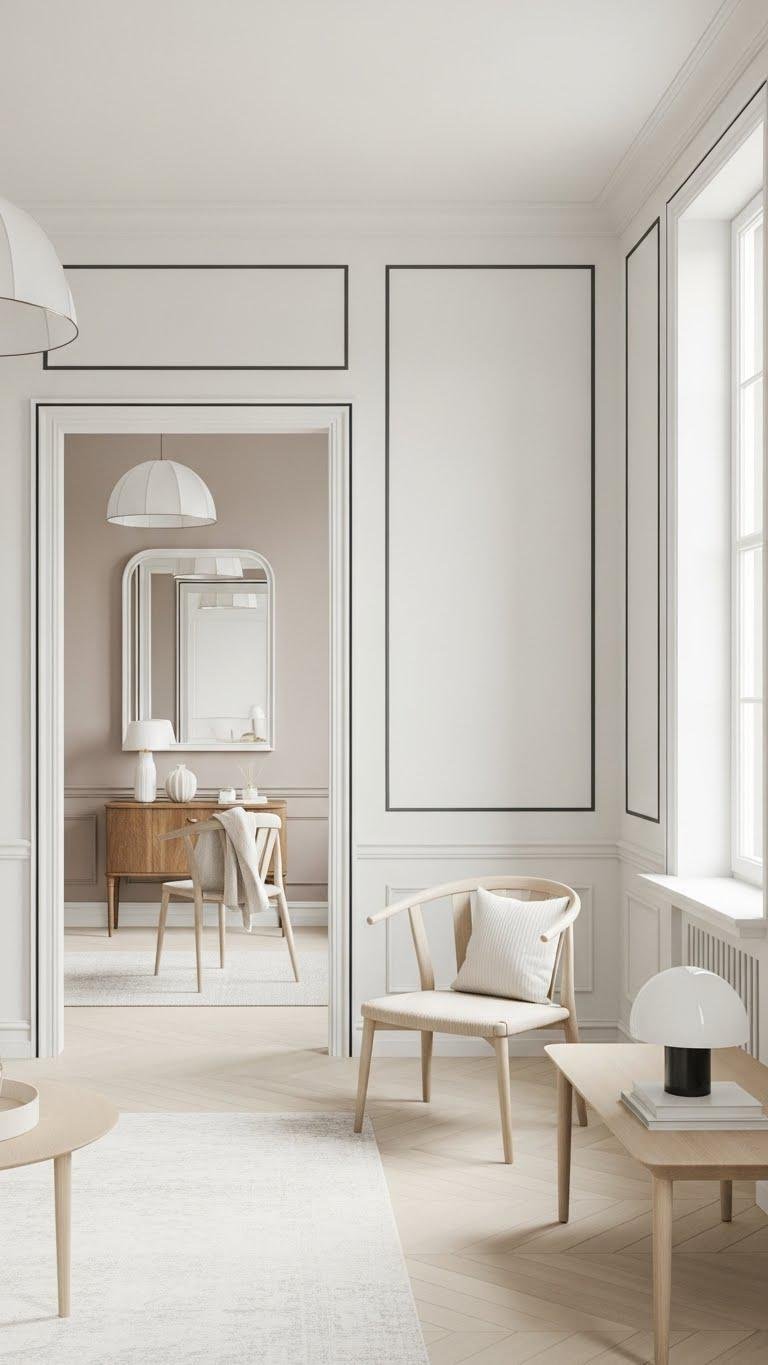
Choosing light, neutral paint instantly opens up a room and makes natural light feel cleaner and more expansive. You’ll pick soft creams, warm greiges, or pale taupes with muted undertones to keep the mood calm and airy.
Pair walls with monochrome trim for cohesion, minimal contrast, and a liberated, seamless backdrop that lets furnishings and sunlight breathe without clutter or distraction.
Choose Satin or Semi-Gloss Finishes
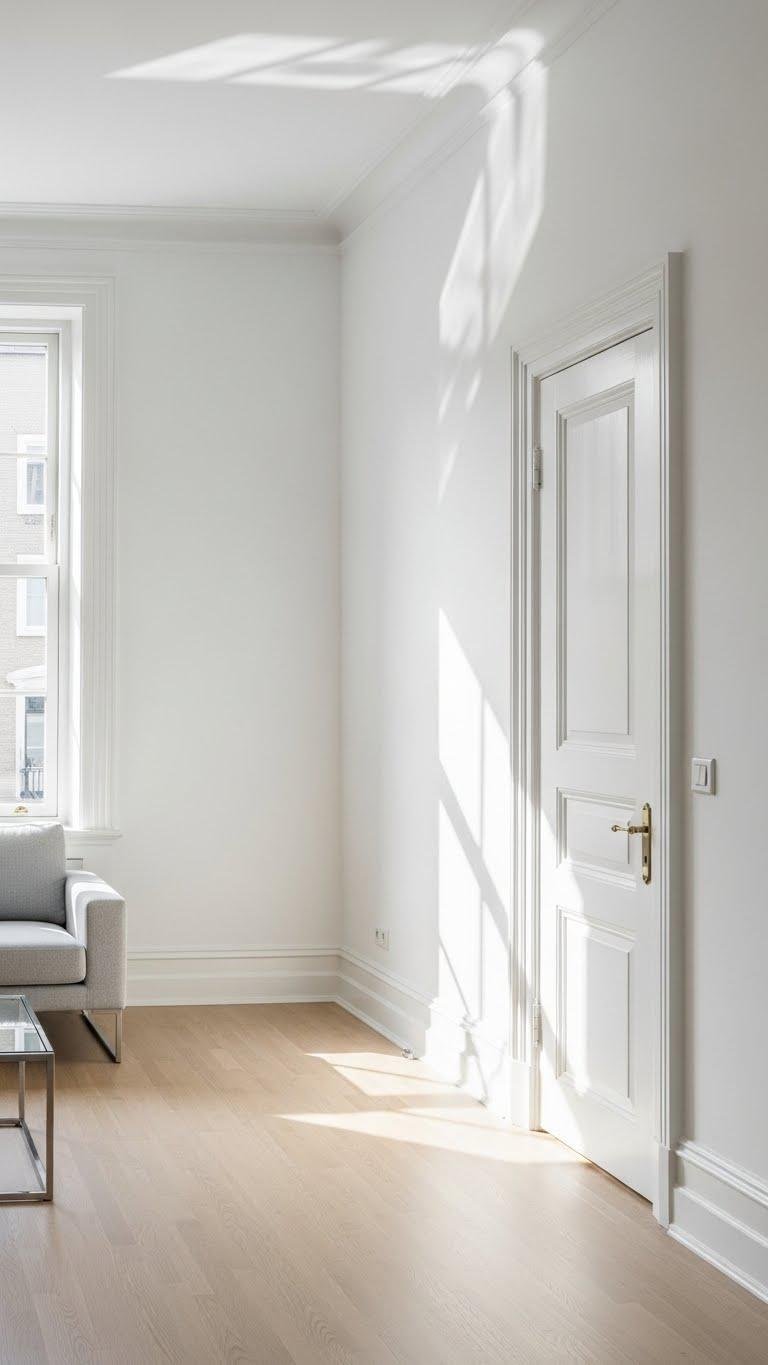
While a flat finish can hide imperfections, satin or semi-gloss paints reflect light in a way that enhances natural brightness and gives surfaces a subtle, polished look.
Choose a satin sheen on walls you touch often and semi-gloss for trim and doors to boost light and make cleaning easy. You’ll free your space to feel open, crisp, and effortlessly cared for.
Select Light-Toned Flooring Throughout
Paragraphs
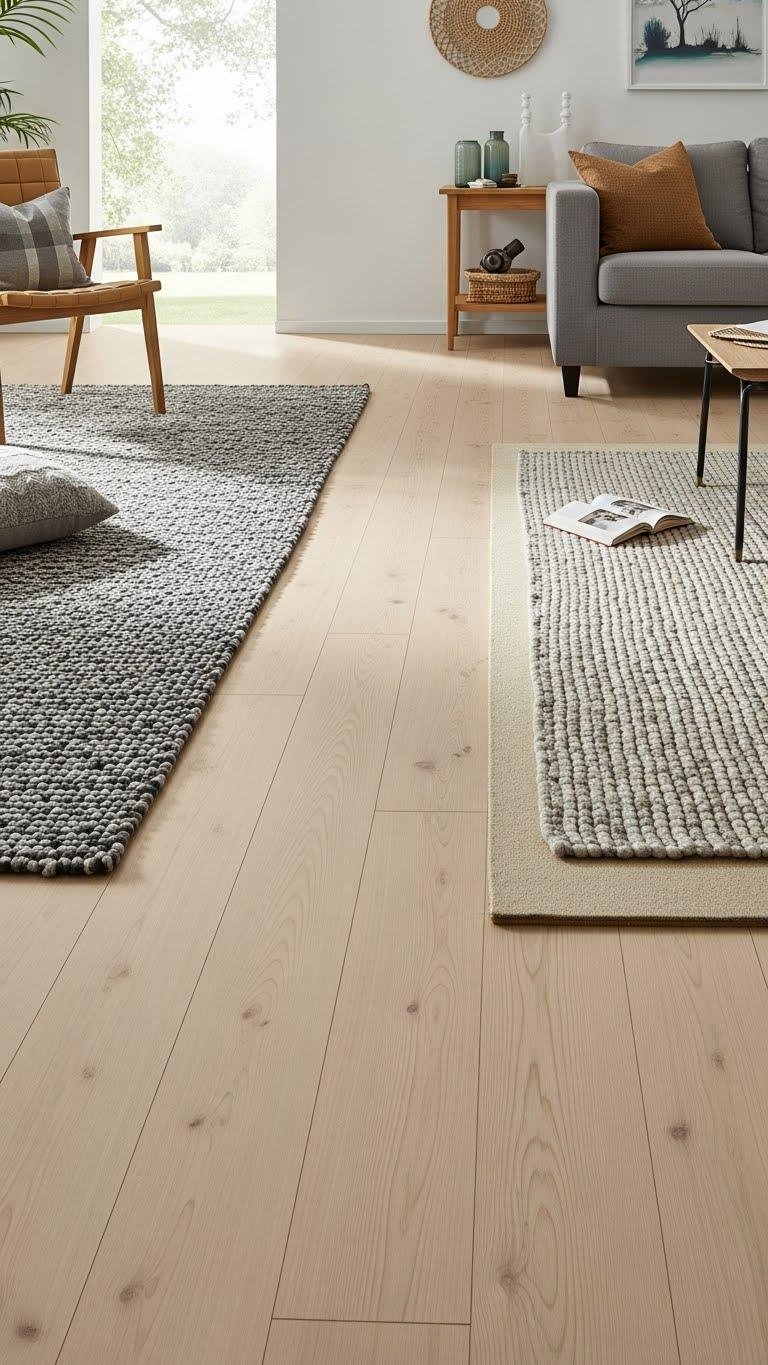
Light-toned flooring brightens a room by bouncing natural light and creating a seamless, airy foundation for your decor. Choose pale oak or bleached maple to keep spaces open; pair with a warm underlay for comfort and insulation. Layer textured rugs to define zones and add tactile interest without weighing the palette. You’ll enjoy a serene, free-flowing environment that feels spacious and calm.
Incorporate Glossy and Reflective Surfaces

Pairing reflective finishes with pale floors amplifies that airy feel and adds a polished, modern edge to your space. Use mirror backsplashes in kitchens to bounce light and visually expand walls, and choose high gloss cabinetry to reflect daylight.
Mix with matte textiles and simple furnishings so reflections feel intentional, not overwhelming, letting you move freely in a bright, uncluttered home.
Adopt an Open-Plan Layout
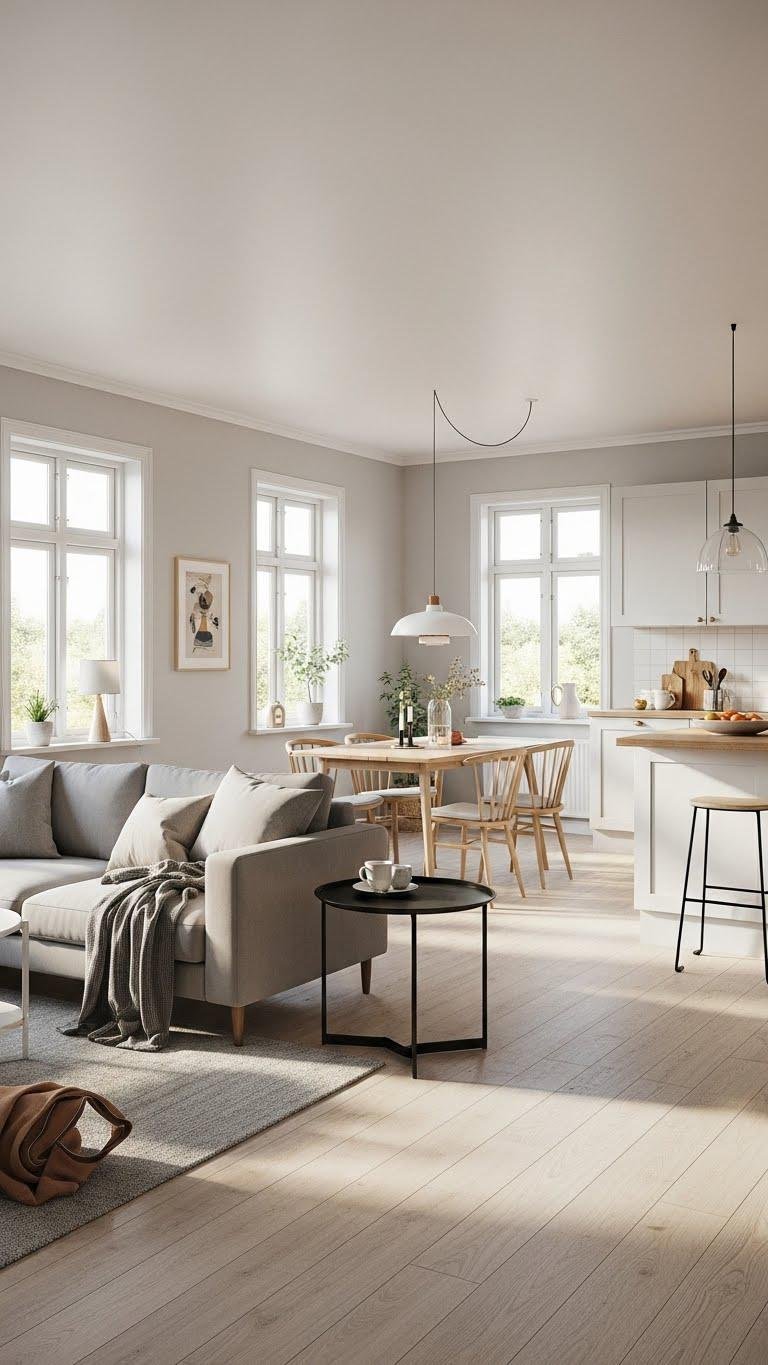
When you open up walls and sightlines, rooms share light and feel larger without adding square footage. Embrace an open-plan layout that encourages flowing circulation and lets daylight travel.
Arrange furniture to define zones, create shared multifunctional spaces, and keep pathways clear. You’ll enjoy a freer, airy home where natural light highlights simple palettes and flexible living that adapts to how you move.
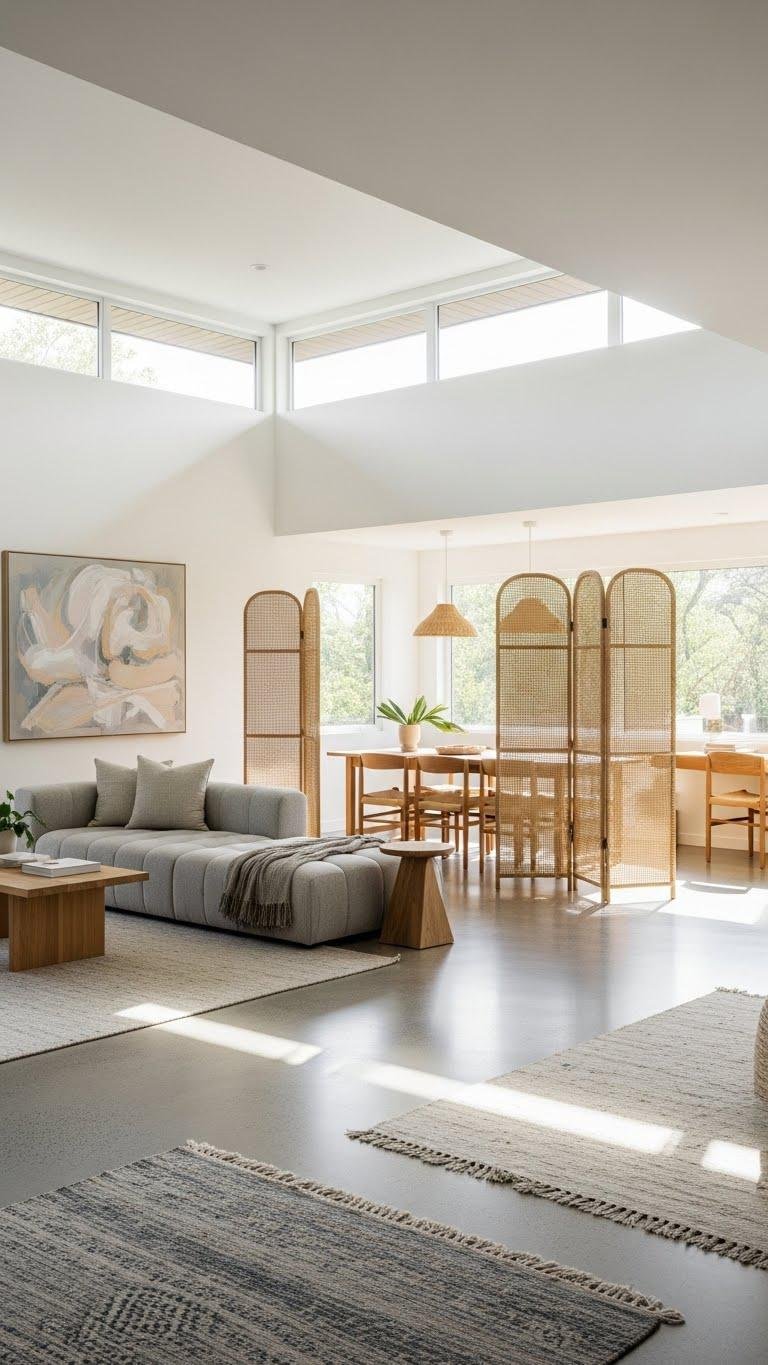
Remove Non-Structural Partitions
Widen Doorways and Create Interior Openings
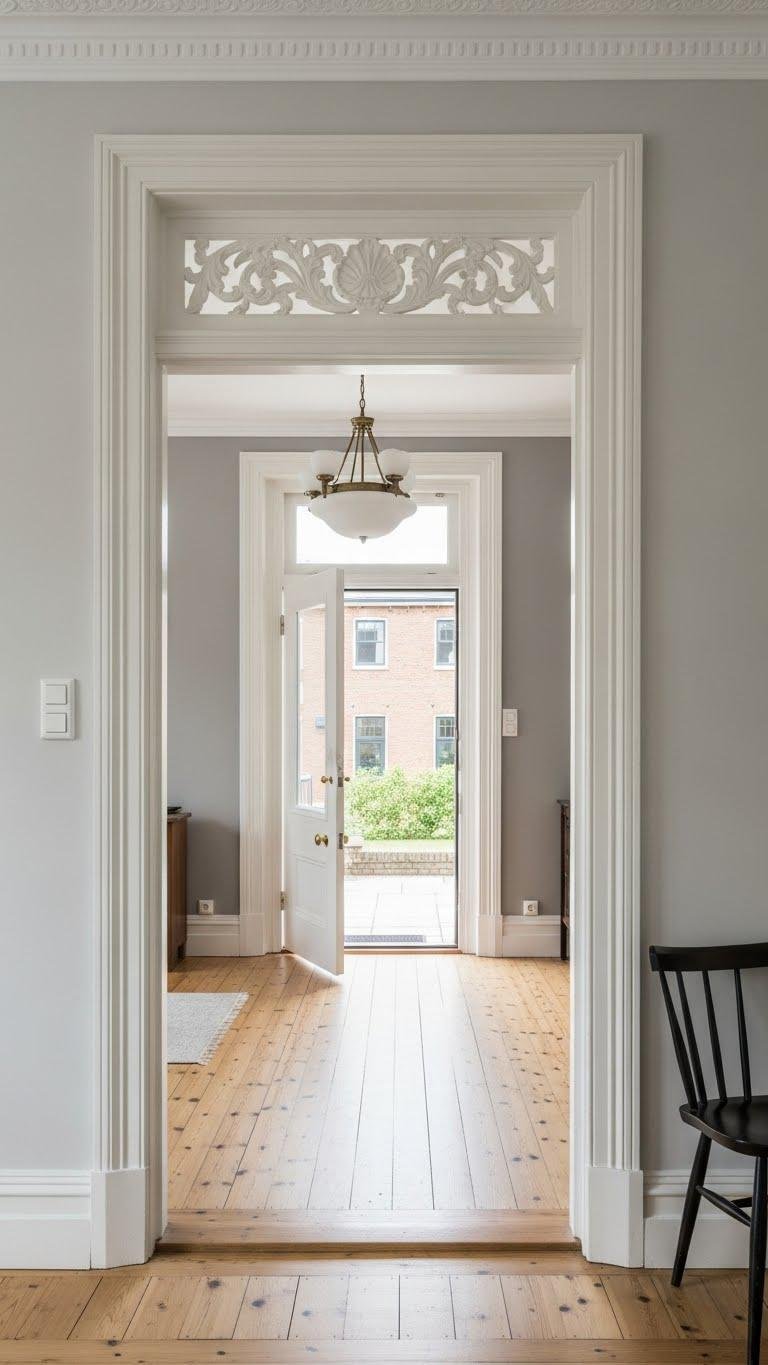
Open up a room by widening doorways and carving interior openings to let light and sightlines travel naturally through your home. You’ll create airy flow and visual freedom while preserving character. Check structural considerations with an engineer, retain key moldings when possible, and balance modern openness with heritage preservation. Choose clean-lined trims and unobtrusive finishes so rooms feel connected yet distinctly yours.
Use Glass Partitions and Railings
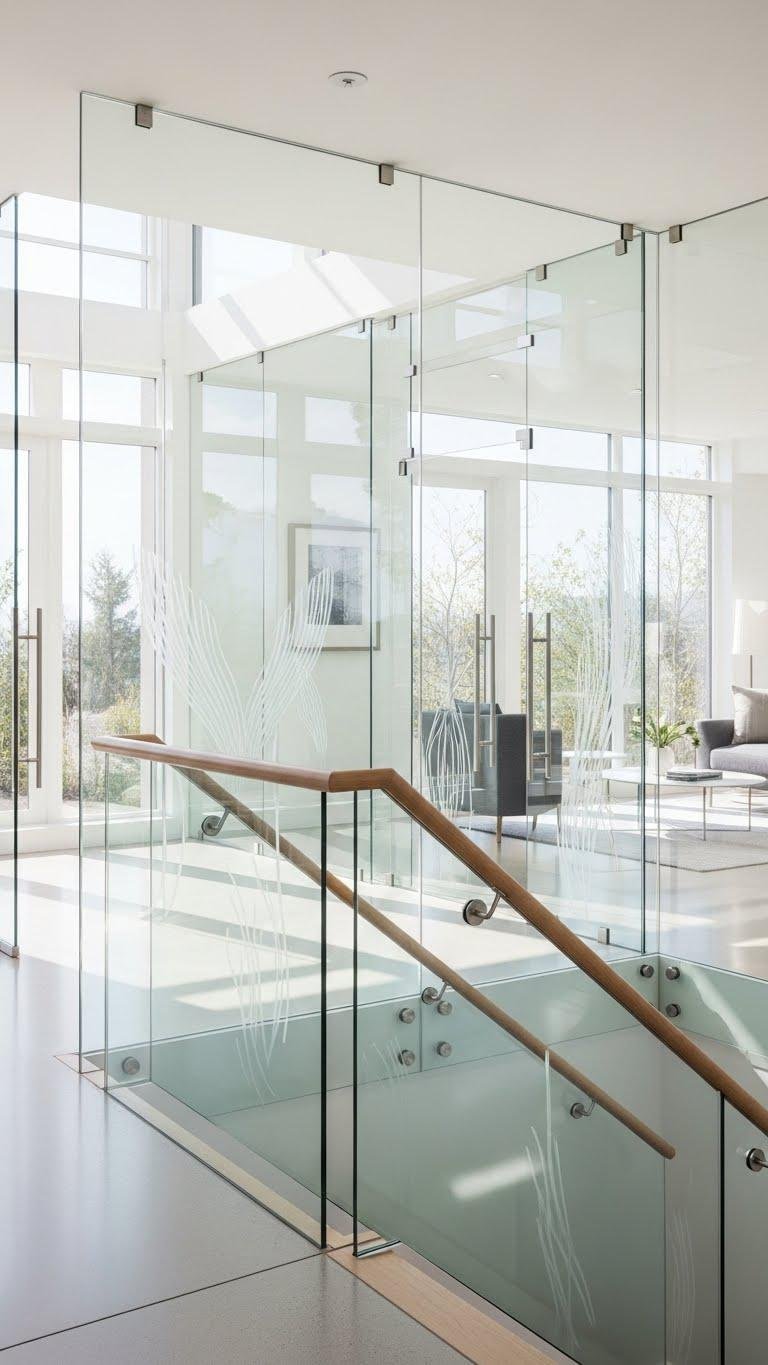
Bring rooms together without blocking light by installing glass partitions and railings that keep sightlines open while defining space. You’ll enjoy frameless clarity for an airy feel, and choose etched patterns where privacy or texture matters.
Install slim metal fittings, minimal profiles, and soft-edge handrails so natural light flows freely, boundaries remain subtle, and your home feels open, calm, and effortlessly liberated.
Arrange Furniture to Maximize Window Access

Pull furniture away from windows and orient seating to face the view so sunlight and sightlines stay unobstructed; that simple shift keeps rooms bright and invites the outdoors in.
You’ll map furniture flow around natural light, choose low-profile pieces, and leave clear window sightlines.
Arrange rugs and tables to define zones without blocking breezes, so spaces feel open, free, and effortlessly connected to the day.
Add Interior Courtyards or Lightwells
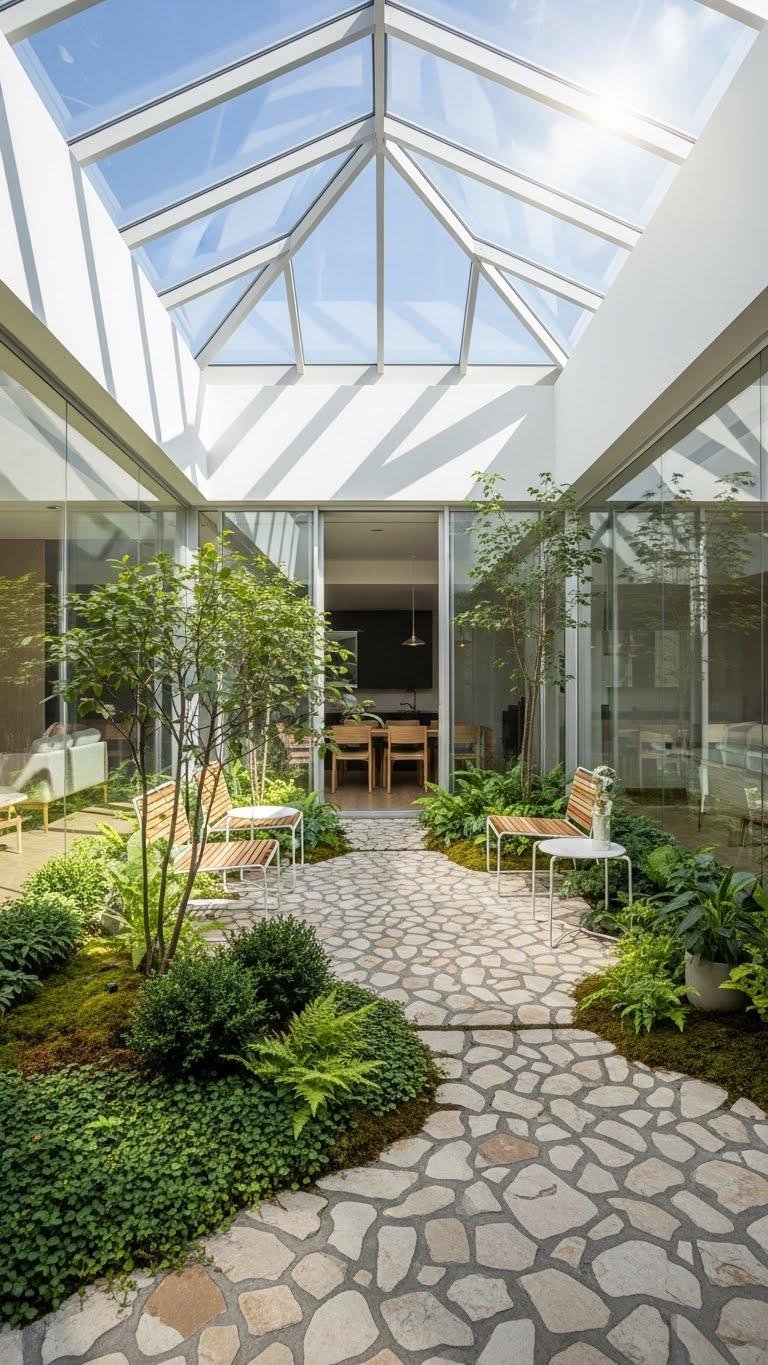
By carving a small courtyard or lightwell into your plan, you’ll flood interior rooms with steady, controlled daylight and a direct visual link to the sky or greenery.
You’ll shape calm, private zones that invite courtyards greenery, natural breezes, and lightwell ventilation.
Use paving, low planting, and simple seating to keep sightlines open, maximize airflow, and create a liberated, sunlit core.
Place Large Mirrors Opposite Windows
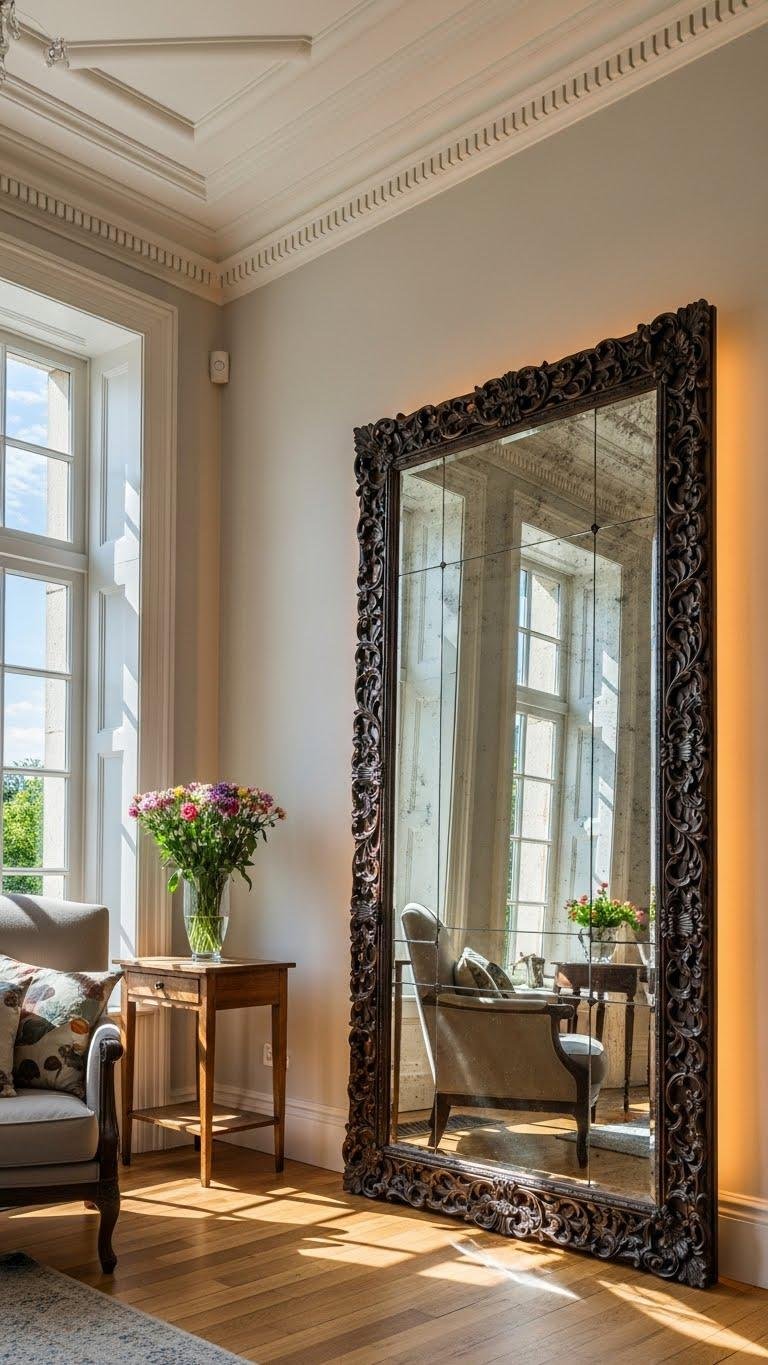
If you loved how a courtyard lets sunlight reach inner rooms, mirror placement gives you similar gains without cutting into square footage.
Place a large, humidity resistant antique mirror opposite windows to amplify light and view. Choose framing styles that echo your room’s mood, mount securely, and add subtle LED backlighting for depth. You’ll increase brightness and a sense of openness effortlessly.
Integrate Metallic Fixtures and Accents
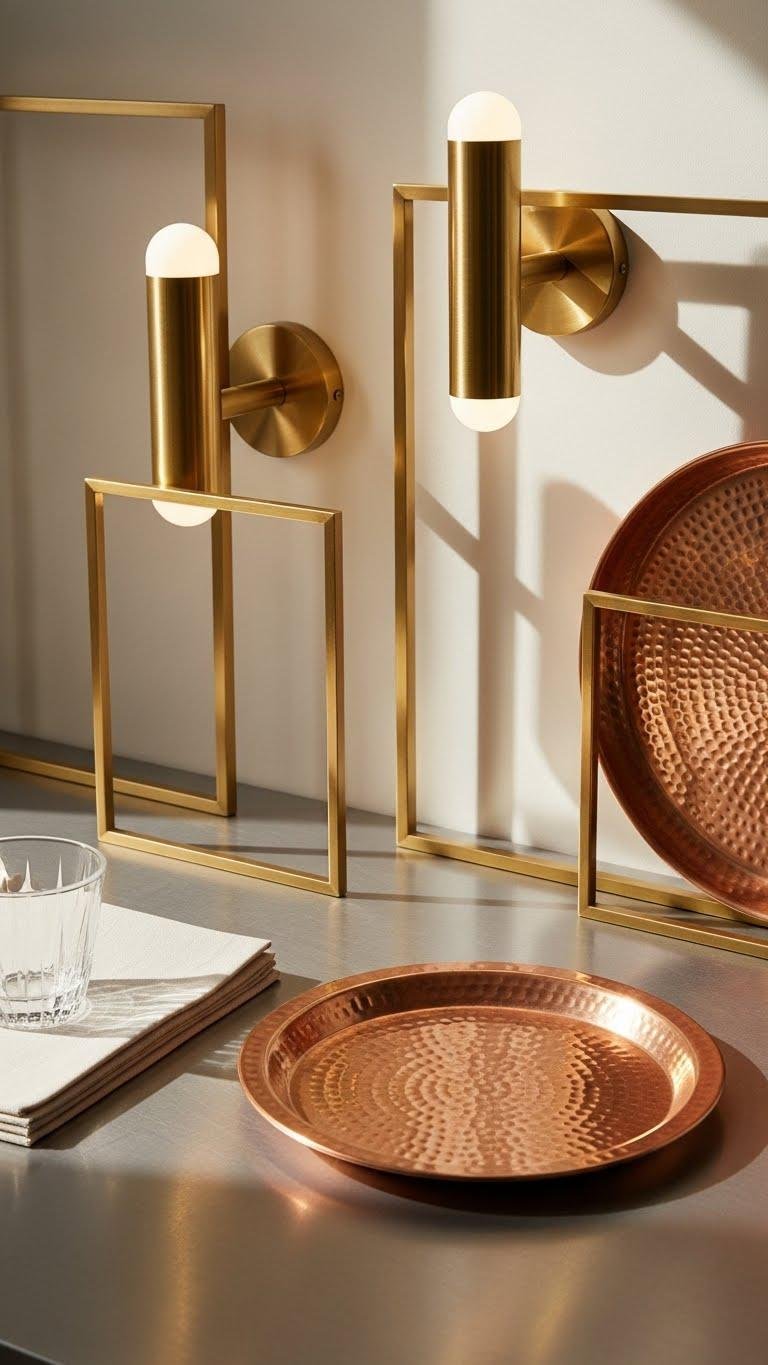
Introduce metallic fixtures and accents to give your space instant polish and visual contrast without overwhelming its natural-light focus. You’ll pick a few pieces—brushed brass sconces, a hammered copper tray, slim frames—to catch light and add warmth. Keep selections minimal and tactile so the metals breathe with surrounding neutrals. Let finishes reflect sunlight, creating freedom and visual rhythm without clutter.
Choose Low-Profile, Legged Furniture
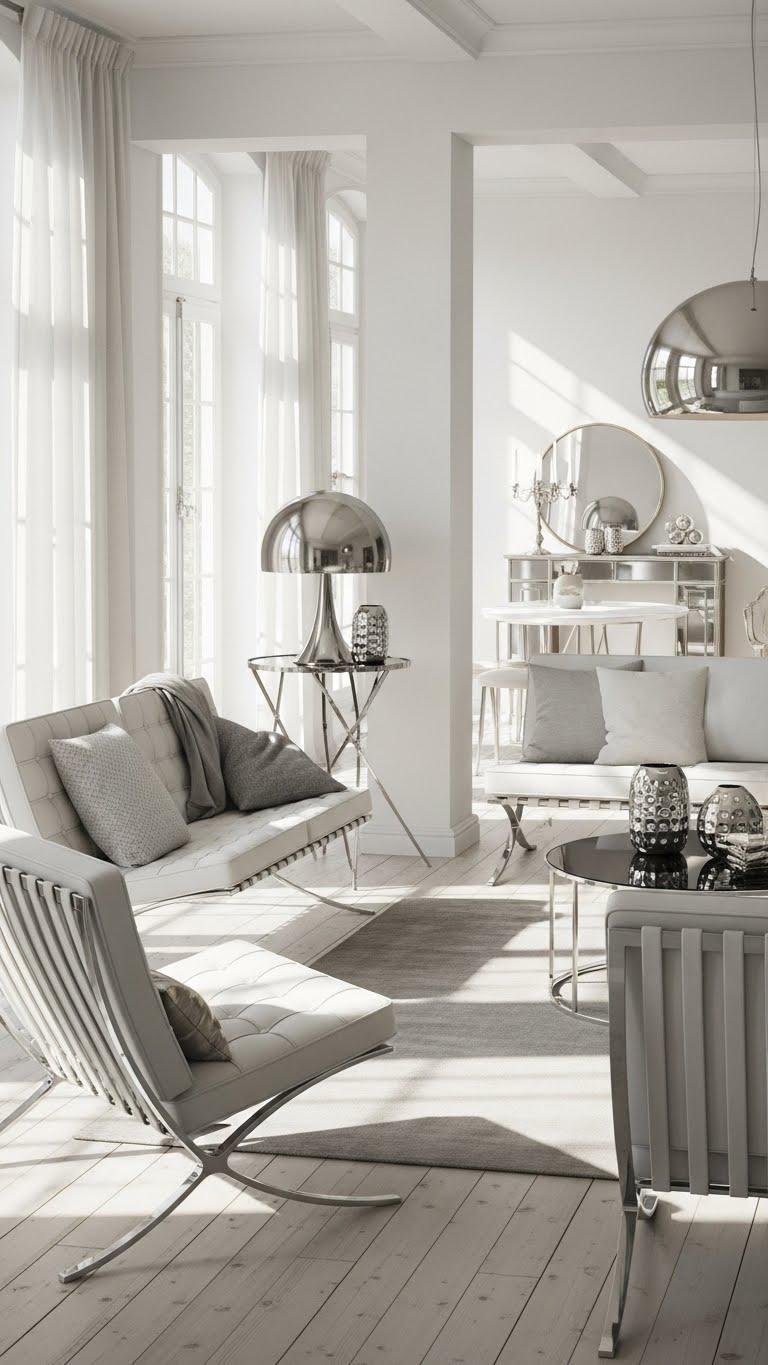
After you’ve added a few metallic accents to catch the light, pick furniture that keeps the room feeling airy and open: low-profile, legged pieces lift visual weight off the floor and let sunlight travel beneath and around them.
Choose low profile seating with tapered legs to maintain sightlines, create a liberated flow, and make cleaning effortless—prioritize scale, slim silhouettes, and breathable fabrics.
Use Glass or Transparent Furnishings
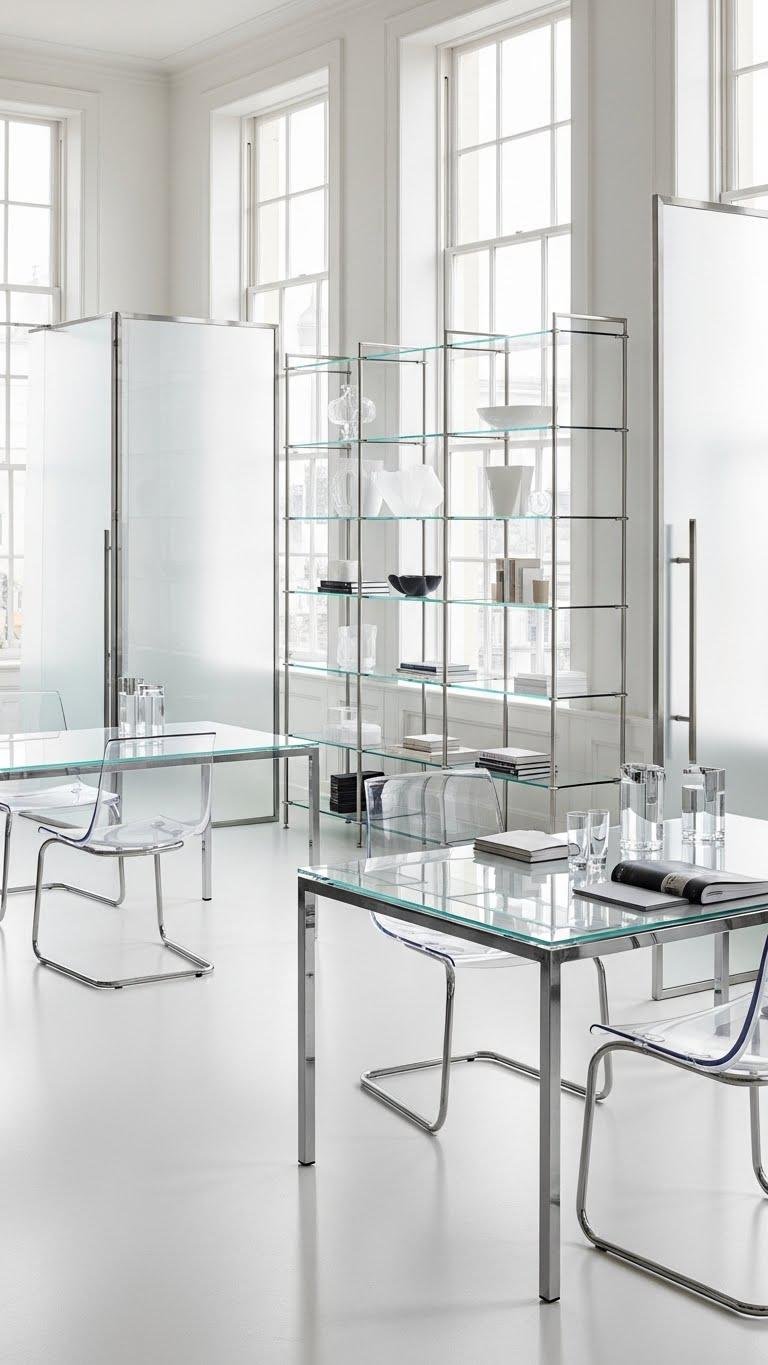
Let light flow through the room by choosing glass or transparent furnishings that disappear visually while reflecting and refracting sunlight.
You’ll free up sightlines with clear acrylics for chairs and tables, add airy shelving, and use frosted panels to define zones without blocking brightness.
Pick slim frames and minimal hardware so spaces feel open, movable, and unconfined.
Install Sheer Curtains or Translucent Blinds
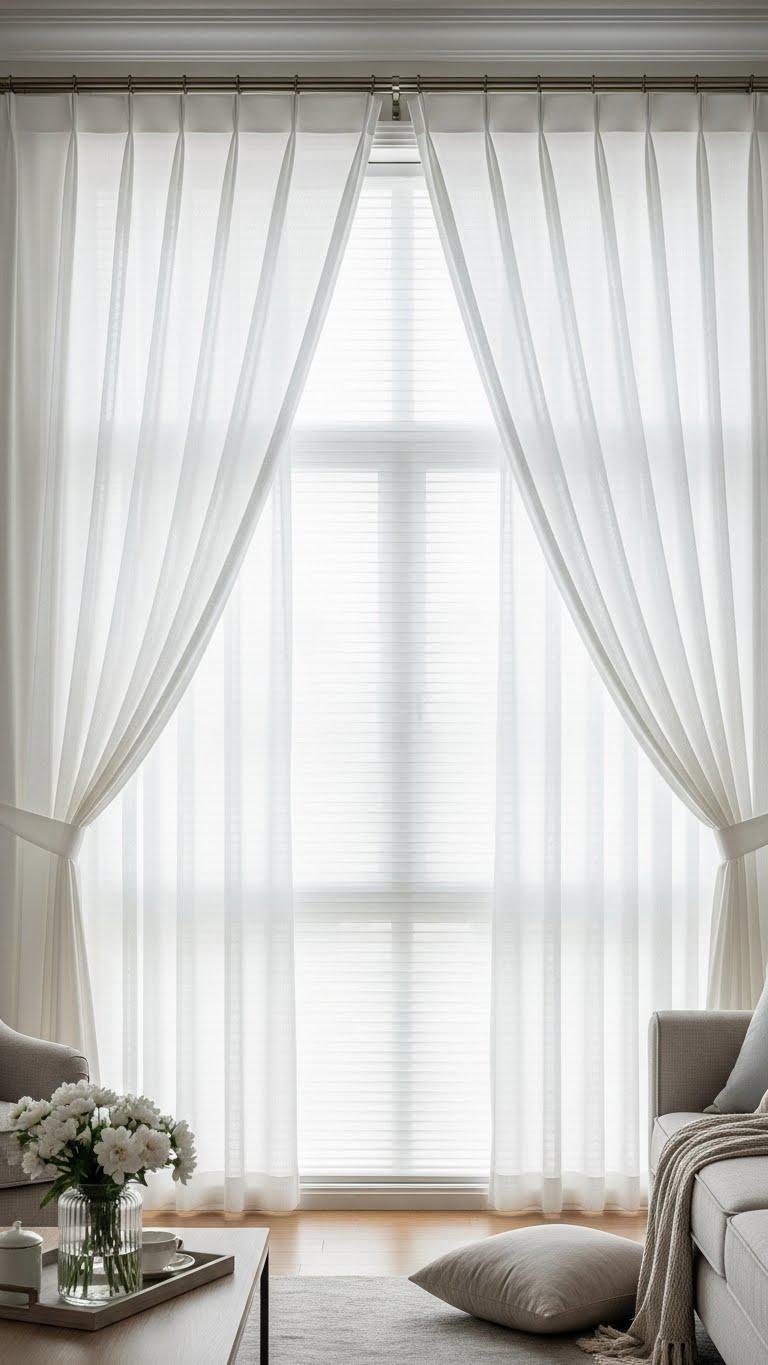
Drape the windows with sheer curtains or fit translucent blinds to soften harsh sunlight while keeping rooms bright and airy. You’ll choose sheer rod placement to allow smooth movement and clean sightlines.
Layer lightweight sheers with a secondary privacy layering option for evenings, so you control visibility without closing off light. This keeps spaces open, calm, and free.
Mount Curtain Rods Wide and High
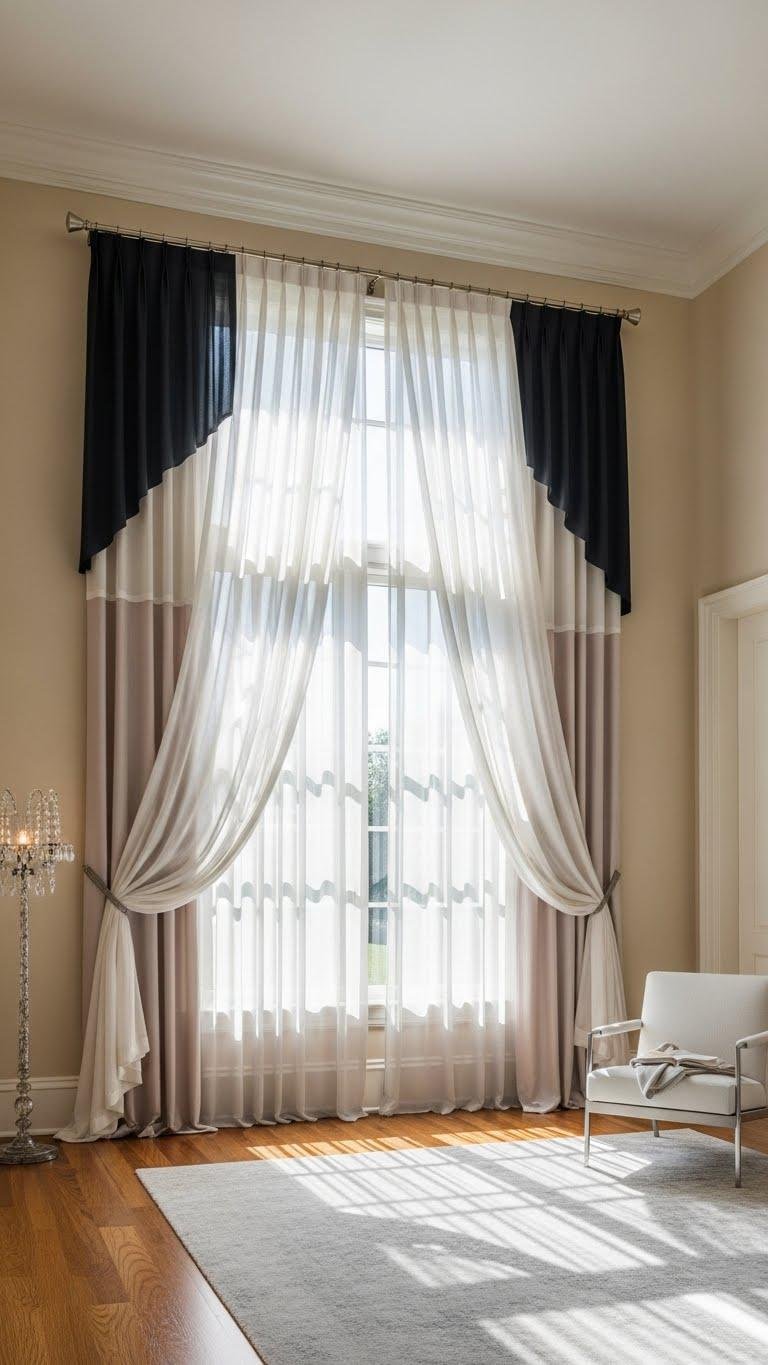
When you mount curtain rods wider and higher than the window frame, you instantly make the room feel taller and let more light flood the space. Mount them near the ceiling and extend beyond the frame to reveal more wall and sky.
Use stacked rods or double tracks to layer sheer and blackout panels, giving you flexible control while keeping a liberated, airy aesthetic.
Opt for Minimal or Motorized Shades
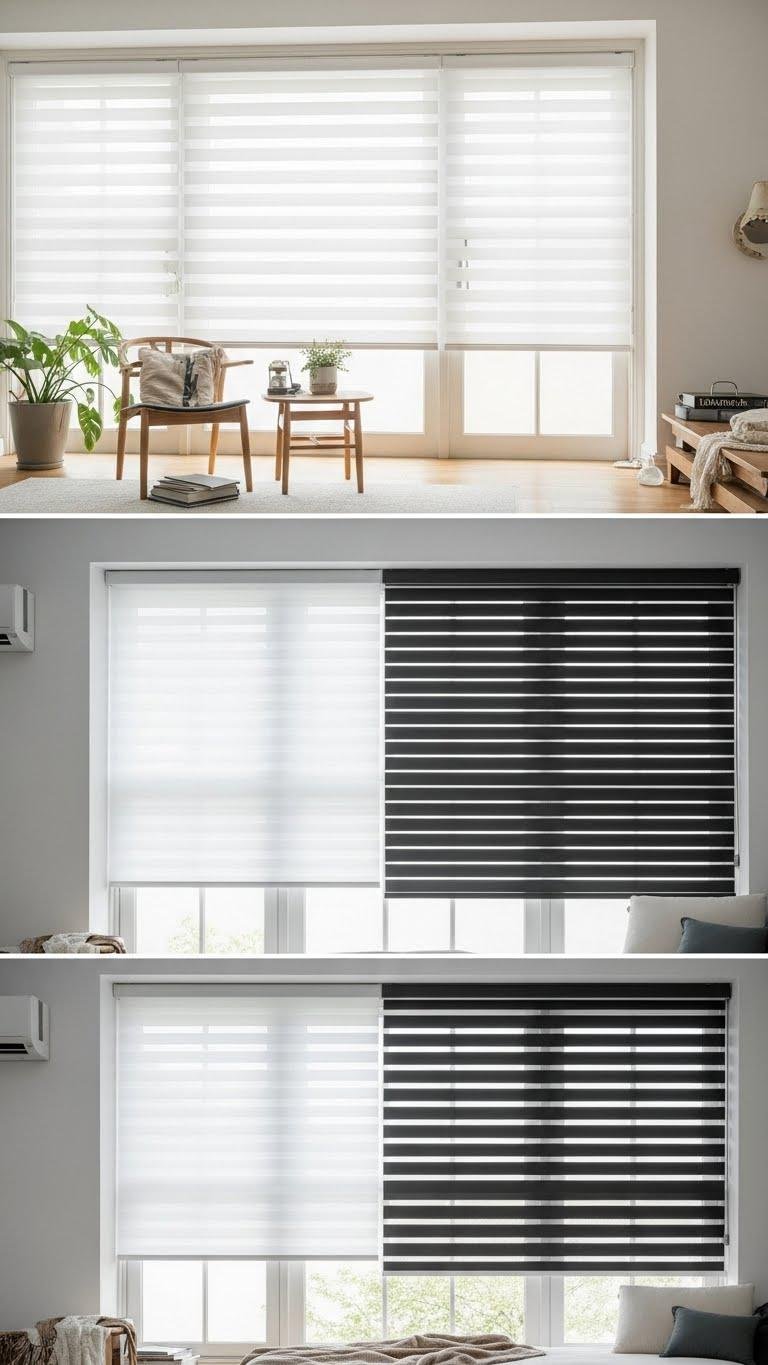
Often a clean, minimal shade delivers more impact than elaborate drapery—you’ll get uninterrupted sightlines, softer daylight, and a streamlined backdrop that keeps the room feeling airy.
Choose a minimal roller for a sleek, breathable cover, or install motorized blackout options for privacy and effortless control.
Both let you shape light without clutter, freeing your space and routines with simple, intentional design.
Specify Daylight-Balanced Artificial Lighting
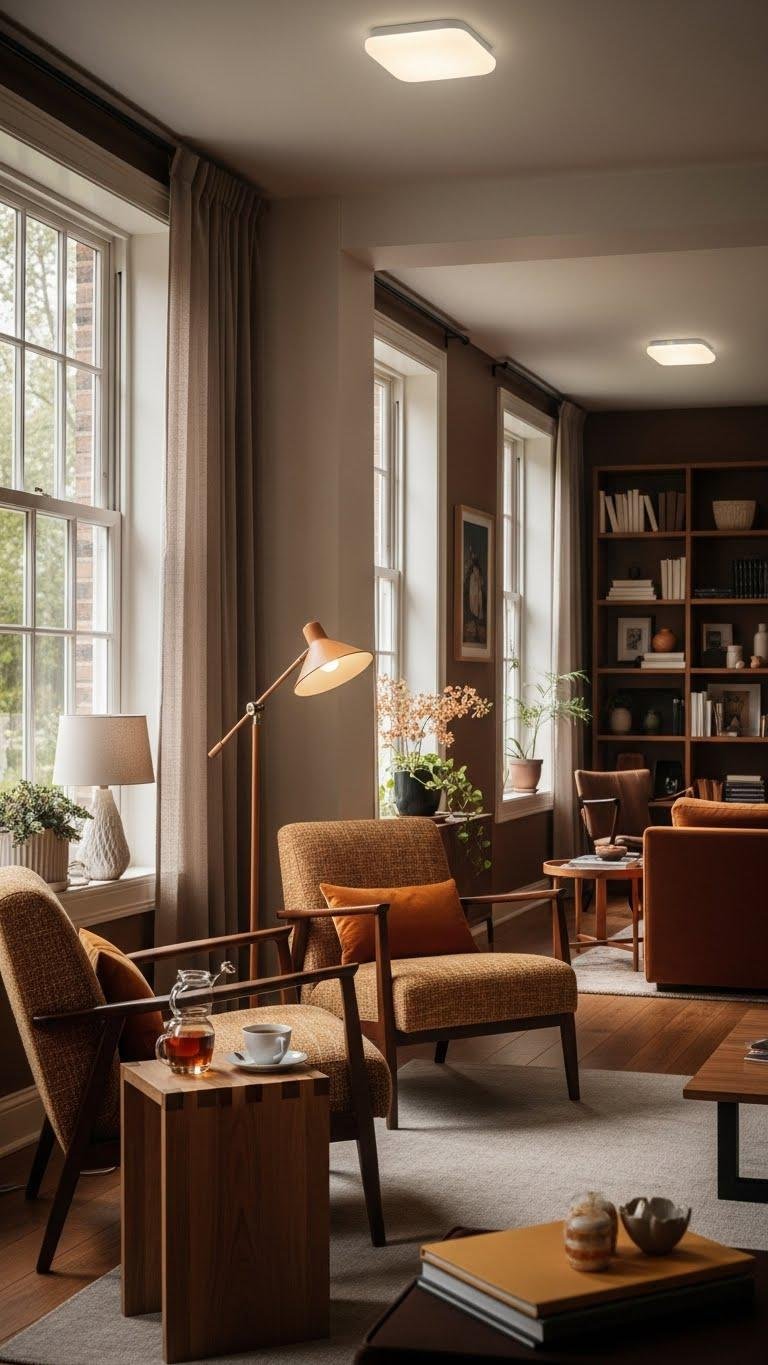
Letting in soft, filtered daylight sets the tone, but you’ll still need artificial light that matches that natural glow once the sun fades or clouds gather. Choose daylight-balanced fixtures with high color rendering to keep hues honest and spaces airy.
Embrace circadian lighting controls so your lamps support wakeful mornings and relaxed evenings, giving you freedom to shape light that feels naturally open.
Plan Landscaping to Enhance Window Exposure
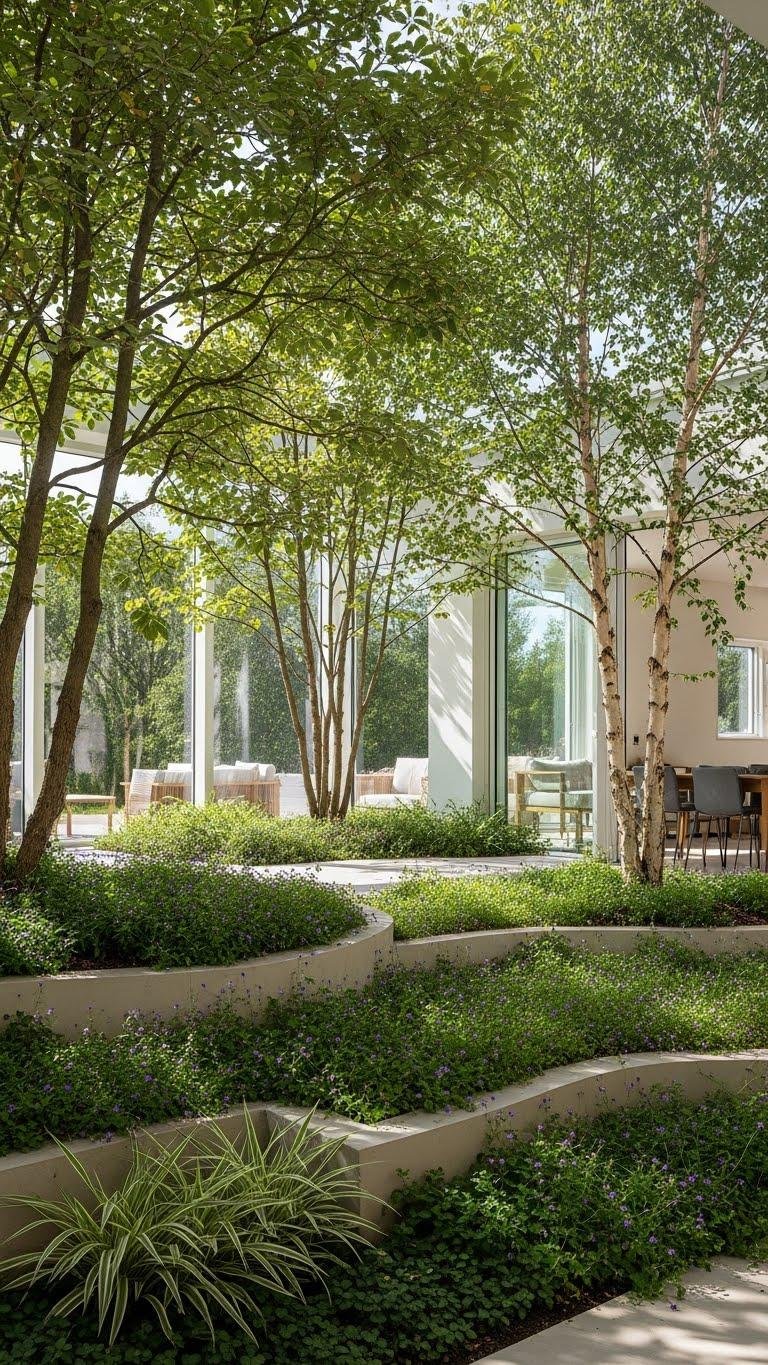
Because the view outside your windows shapes both light and mood, plan landscaping to frame and amplify daylight rather than block it. Choose native plantings that stay low near window placement, use layered heights to steer sightlines, and position trees to filter glare.
You’ll enjoy breezy, open rooms; plant choices that respect local ecology make maintenance effortless and free your spaces.