
You’ll create a calmer home with small, intentional decisions that add up. Start with soft neutrals, layered natural textiles, and warm wood tones that ground the space. Keep lines simple, surfaces clear, and light diffused so rooms feel breathable. I’ll outline 21 practical ideas—each easy to try—that help you build a quieter, more considered home, and show how a few swaps can change the whole mood.
Embrace a Soft Neutral Palette
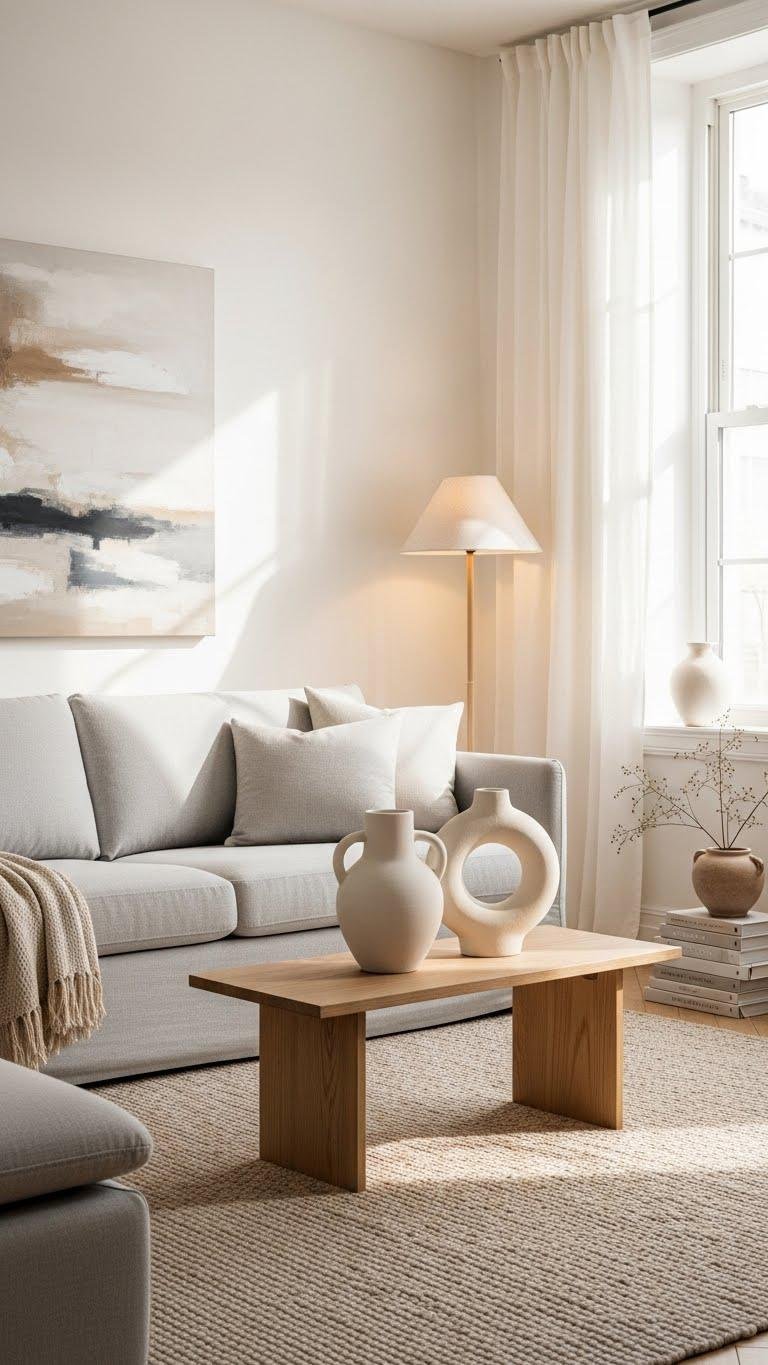
Start with a base of soft neutrals—think warm whites, muted beiges, and gentle greys—to create a calm, cohesive backdrop that lets form and texture stand out.
You’ll choose soft beige and muted taupe accents to unify furnishings and textiles, keep surfaces uncluttered, and select sculptural pieces that breathe. This palette lets you move freely and live with clarity.
Prioritize Natural Light and Sheer Drapery

With a soft neutral base in place, let natural light become the room’s guiding layer—it sculpts form, reveals texture, and lifts the muted palette.
You’ll position seating to favor window orientation, using diffused curtains to soften glare while preserving views. Choose sheer drapery that breathes, filters light evenly, and lets you move freely through calm, uncluttered spaces informed by daylit rhythm.
Choose Warm, Sustainable Woods
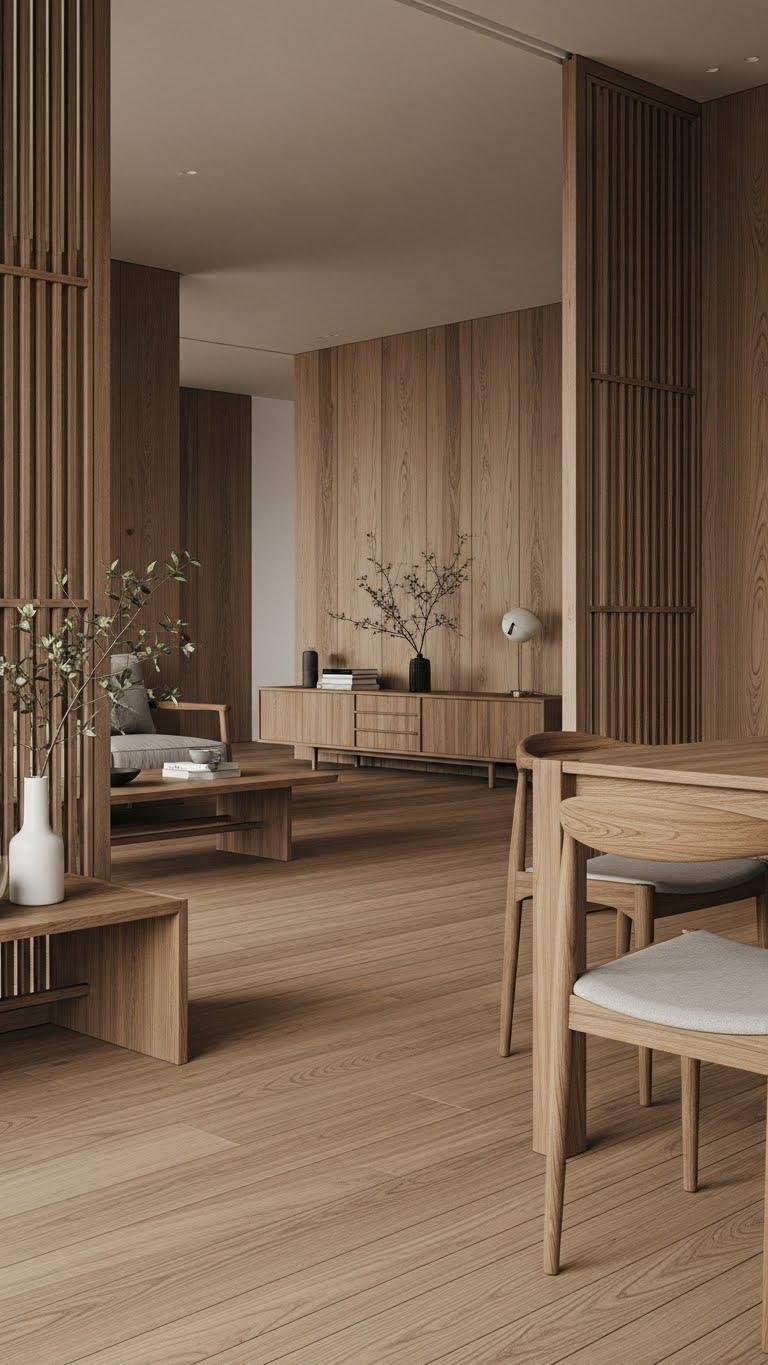
Embrace warm, sustainable woods to ground a minimal interior with natural richness that ages gracefully. You’ll choose reclaimed teak for furniture and flooring to add history and durability without excess.
Mix in a bamboo accent for lightweight, renewable contrast. Keep finishes matte, joinery simple, and layouts open so wood’s warmth lets you move freely, calm, and unburdened.
Layer Textures With Linen and Wool
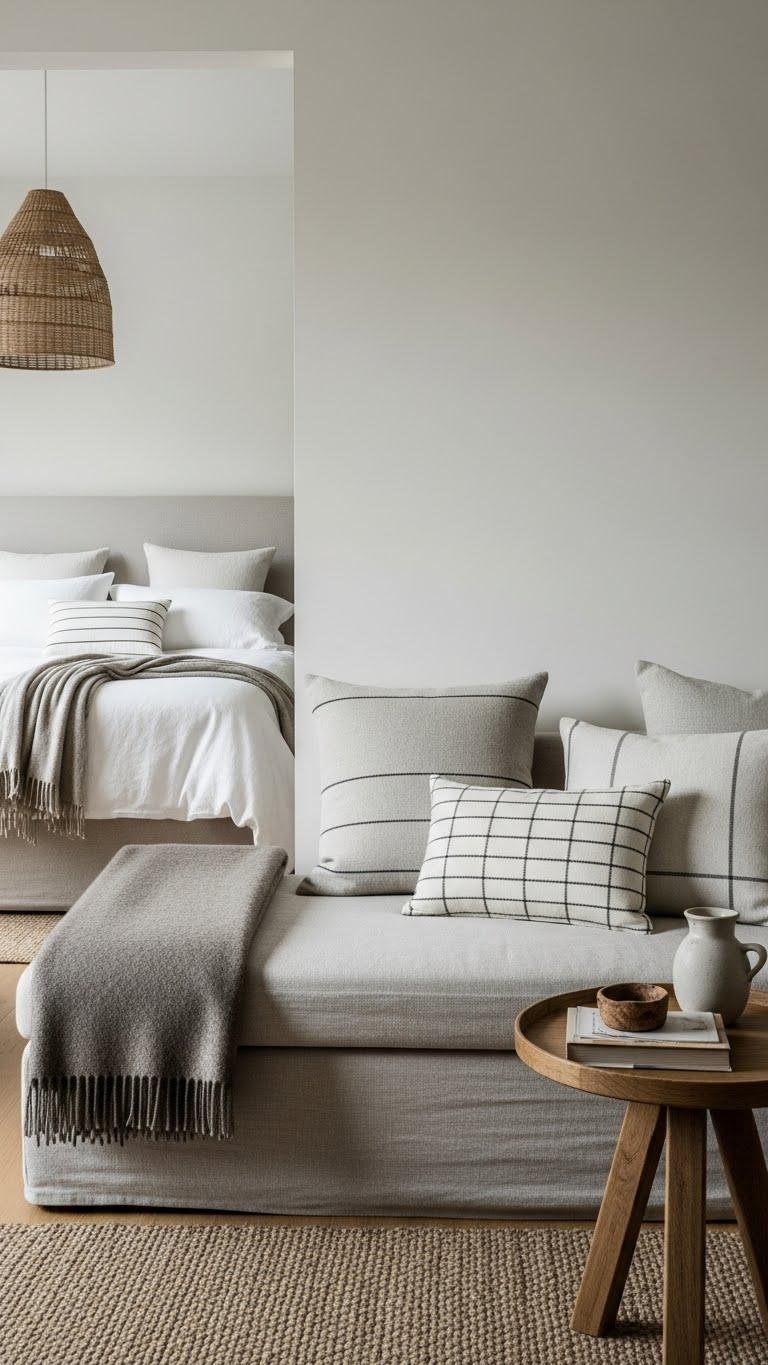
Layering linen and wool brings tactile depth without clutter, so you’ll create a calm, lived-in feel that still reads as minimal. Embrace linen layering on bedding and curtains for breathability and ease.
Introduce wool accenting via throws and cushions to add warmth and structure. Mix neutral tones, natural dyes, and simple patterns so each piece feels intentional and frees your space to breathe.
Opt for Clean, Sculptural Furniture Lines

Drawing on the power of simple form, choose furniture with clean, sculptural lines that define space without shouting for attention. You’ll favor linear silhouettes that open sightlines and invite movement. Select pieces creating subtle sculptural contrasts—soft curves against crisp edges—to keep the room uncluttered yet expressive.
This approach lets you move freely and live simply, with purposeful, calming design.
Create Calm Corners for Quiet Rituals
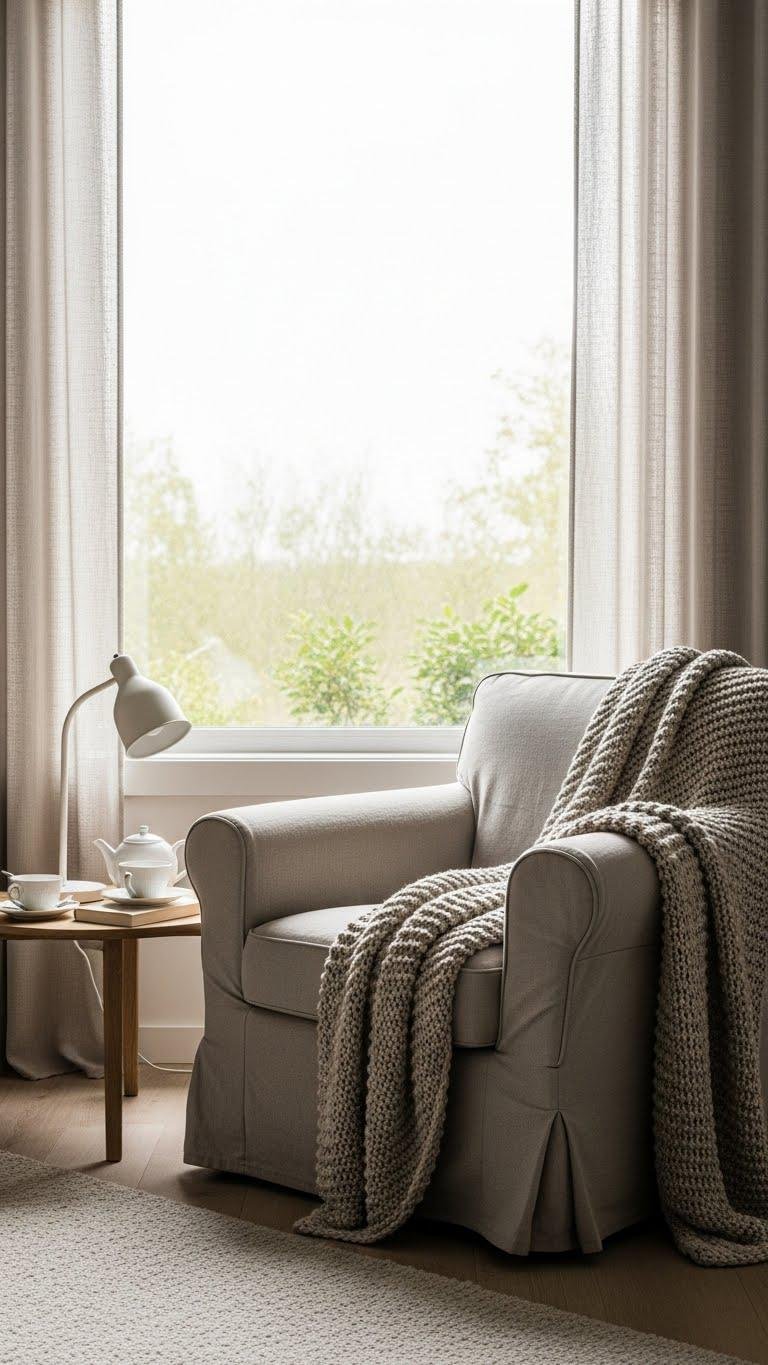
When you carve out a small, intentional nook—by a window, beside a bookshelf, or in an unused corner—you give yourself a dedicated place to slow down and recharge.
Choose a simple chair, soft light, and a low table for a tea nook or a brief morning ritual. Keep textiles neutral, surfaces uncluttered, and rituals intentional so each pause feels freeing and deliberate.
Limit Decor to Meaningful Objects

Pick only what matters and let everything else go. You choose a few memory vignettes and curated heirlooms that calm you, arranging them with intention. Keep surfaces clear, colors muted, and scale modest so each piece breathes.
When you limit decor to true meaning, your space feels lighter, decisions get simpler, and you regain time and freedom to live without visual noise.
Integrate Built‑In, Hidden Storage
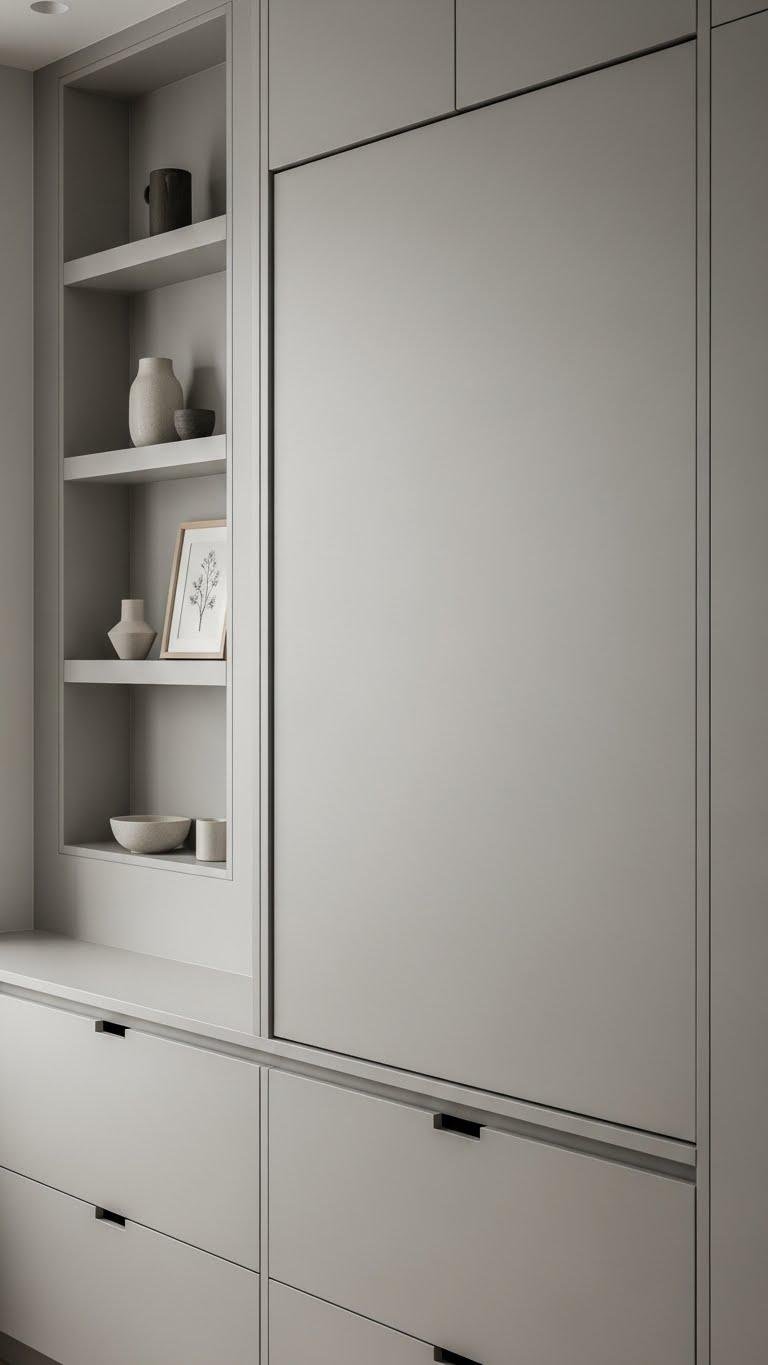
You’ve pared down surfaces to a few meaningful objects—now make storage disappear so the calm lasts. Integrate built‑ins that free your space: a concealed appliance bay, recessed shelving that recedes into walls, and underbench drawers.
You’ll enjoy uncluttered sightlines and effortless routines. Choose matte finishes and simple hardware so storage supports freedom without calling attention to itself.
Add Subtle Earth‑Tone Accents
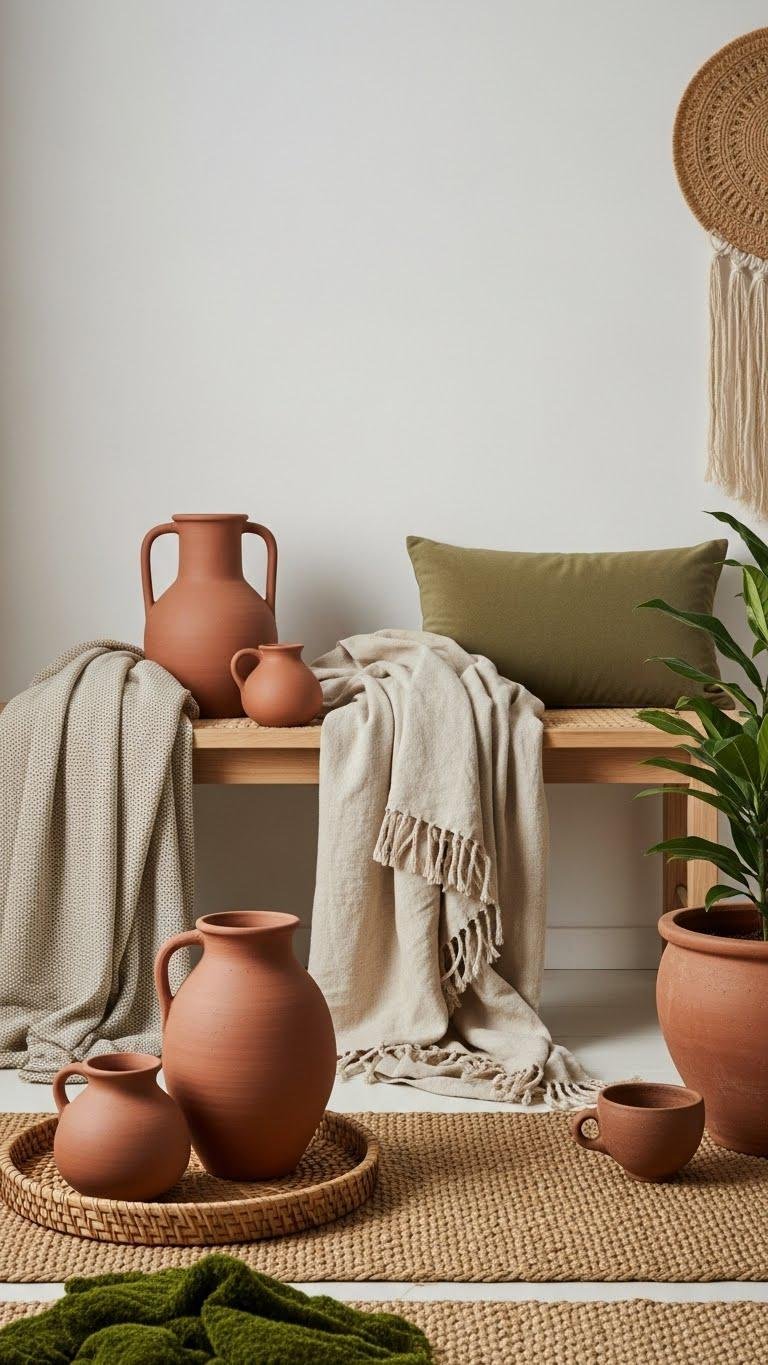
Paragraphs
Use Low‑Profile, Multipurpose Seating
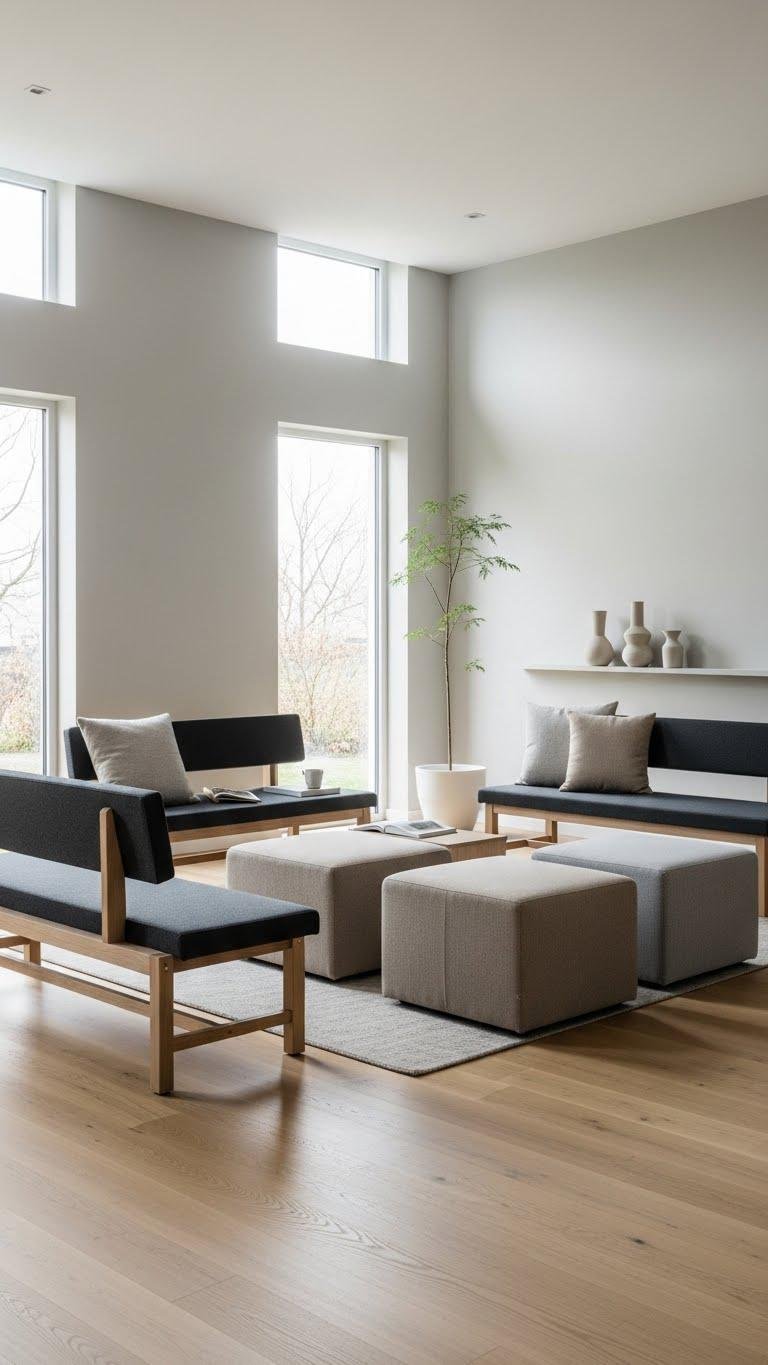
Choose seating that stays low and lean to keep sightlines open and the room feeling airy. You’ll favor low slung benches and convertible ottomans that double as storage, extra seating, or a makeshift table.
Pick simple profiles, muted fabrics, and lightweight frames so you can rearrange freely. This practical, refined approach preserves calm, supports flexible living, and keeps visual clutter minimal.
Incorporate Imperfect, Handcrafted Pieces

After keeping lines low and light, introduce a few handcrafted pieces to add warmth and character without cluttering the room. Choose wabi sabi ceramics and imperfect woven baskets as focal accents; they’ll bring tactile depth and honest imperfection.
You’ll mix functionality with artistry — a single bowl, a basket for throws — keeping surfaces calm while celebrating handmade freedom and subtle, thoughtful imperfection.
Ground Rooms With Neutral Area Rugs
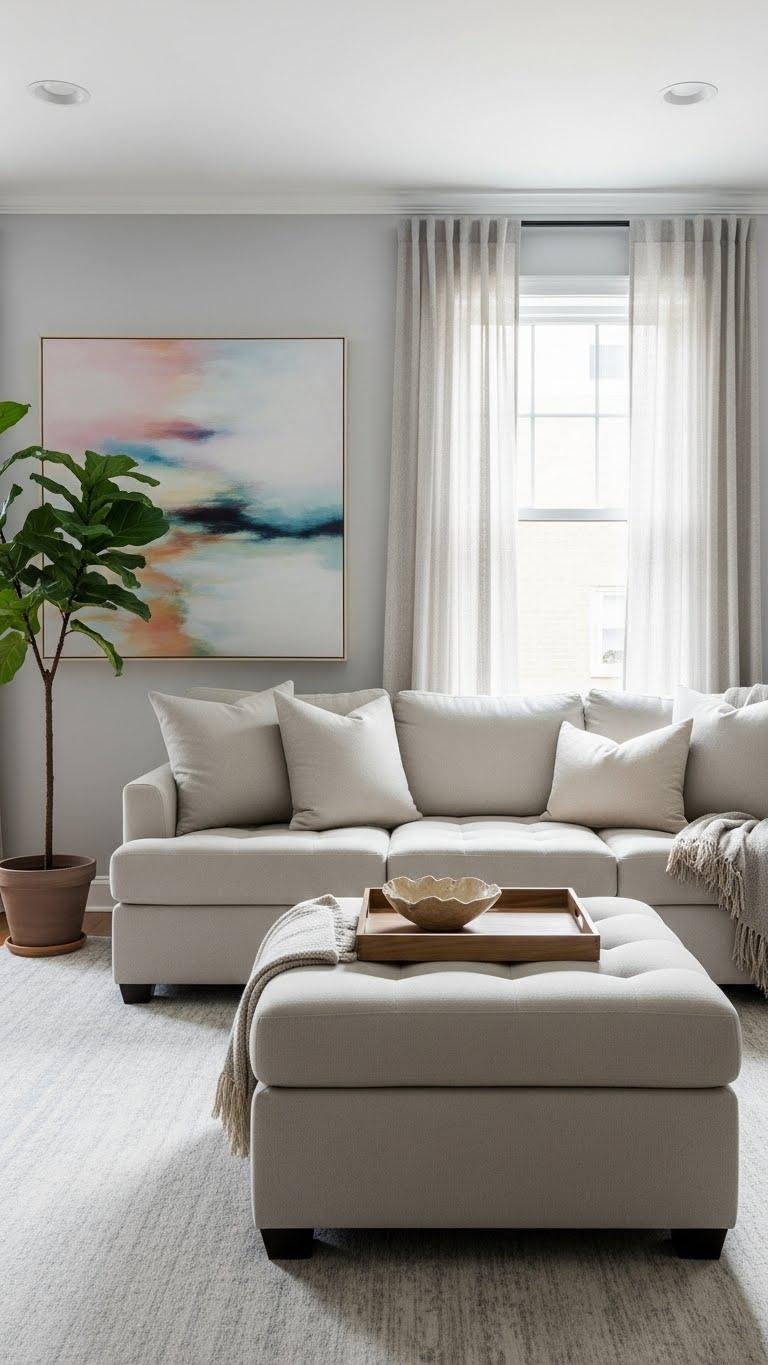
Beneath furniture and feet, a neutral area rug anchors a room and clarifies your layout, so spaces feel intentional rather than scattered. Choose soft floorcoverings in calming tones to define zones and ease movement.
Muted geometric patterns add subtle rhythm without shouting, helping you relax and make clearer choices. A well-placed rug lets freedom thrive within a composed, uncluttered interior.
Introduce Curved, Organic Shapes

Why not soften hard lines with pieces that echo nature’s flow? Embrace curved, organic shapes to freer movement and calm sightlines.
Choose a rounded mirror to reflect light without harsh angles, add pebble poufs for casual seating, and pick furniture with gentle contours. You’ll create a serene, uncluttered space that feels open, intentional, and quietly liberating.
Bring in Soft, Architectural Lighting
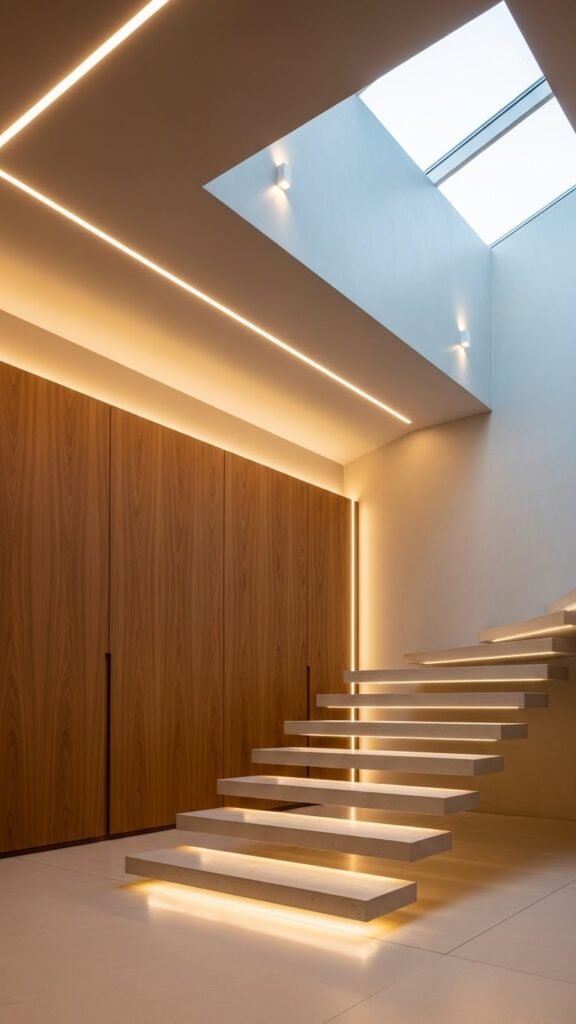
Soften and elevate your rooms with layered, architectural lighting that feels deliberate rather than decorative.
You’ll choose adjustable sconces for task focus and dimmable pendants for mood control, arranging fixtures to sculpt space without clutter. Keep finishes muted, wiring discreet, and switches intuitive so light supports movement and calm.
This approach lets you shape atmosphere with effortless precision and personal freedom.
Display Minimal Greenery and Botanicals
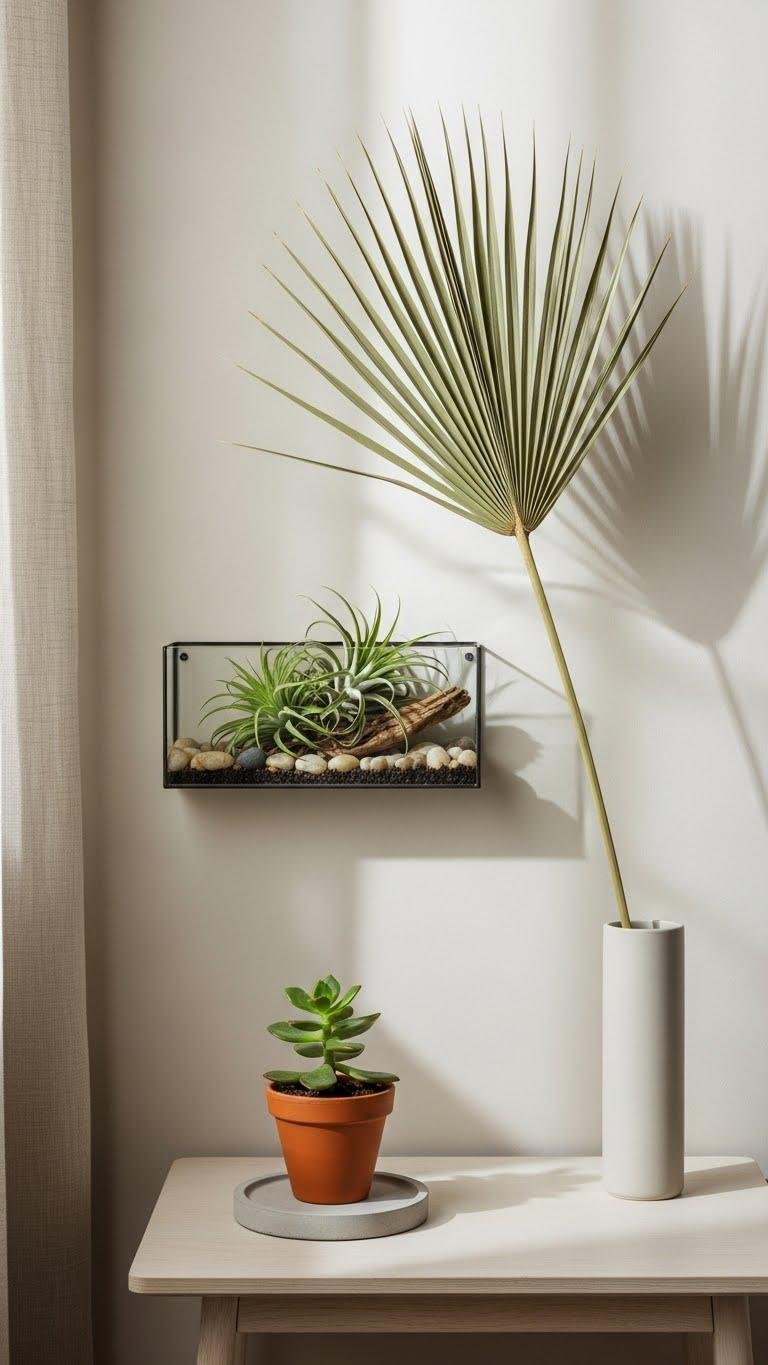
To keep your rooms calm and intentional, choose a few well-placed plants and botanical accents that read like curated art rather than clutter. You’ll favor sculptural pieces: a single dried palm in a slim vase, a low-profile wall mounted terrarium with air plants, and a lone potted succulent.
Each element breathes freedom, adds texture, and stays purposeful without overpowering the space.
Select Timeless, High‑Quality Textiles

Keep Surfaces Clear and Intentionally Styled

With a few deliberate objects and plenty of negative space, you let each surface breathe and the room read as composed rather than cluttered.
You create simple surface rituals each morning, keeping essentials minimal and intentional. Use curated trays to group items, limit visual noise, and allow freedom to move.
Clear surfaces invite calm, encourage focus, and make daily life feel effortless and purposeful.
Balance Negative Space With Focal Sculptures

Often a single sculptural piece can anchor a room and let the surrounding empty space sing; place it deliberately so the voids feel purposeful rather than accidental. You’ll use negative space to highlight sculptural silhouettes, creating focal contrast without clutter.
Arrange pieces with restraint — a meditative arrangement that frees movement, clarifies sightlines, and lets the object breathe as a calm, defining presence.
Choose Calming Art in Muted Tones
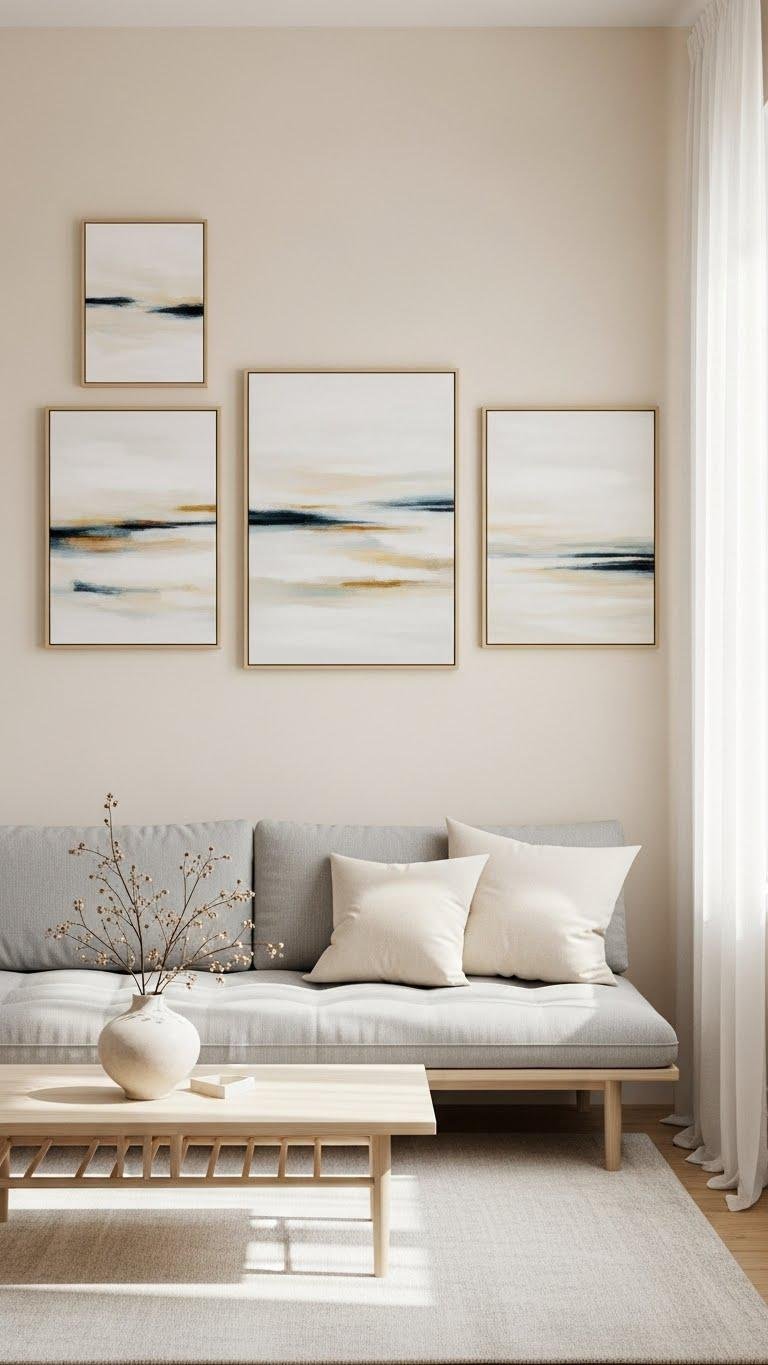
Why not let art soothe the room rather than shout for attention? Choose pieces with muted colorways and restrained composition so your space breathes.
You’ll favor tonal brushwork that whispers texture without demanding focus. Hang work thoughtfully, keep frames simple, and let soft palettes anchor calm.
The result feels intentional and liberating, a quiet backdrop that supports your life rather than confines it.
Design Flowing, Uncluttered Pathways
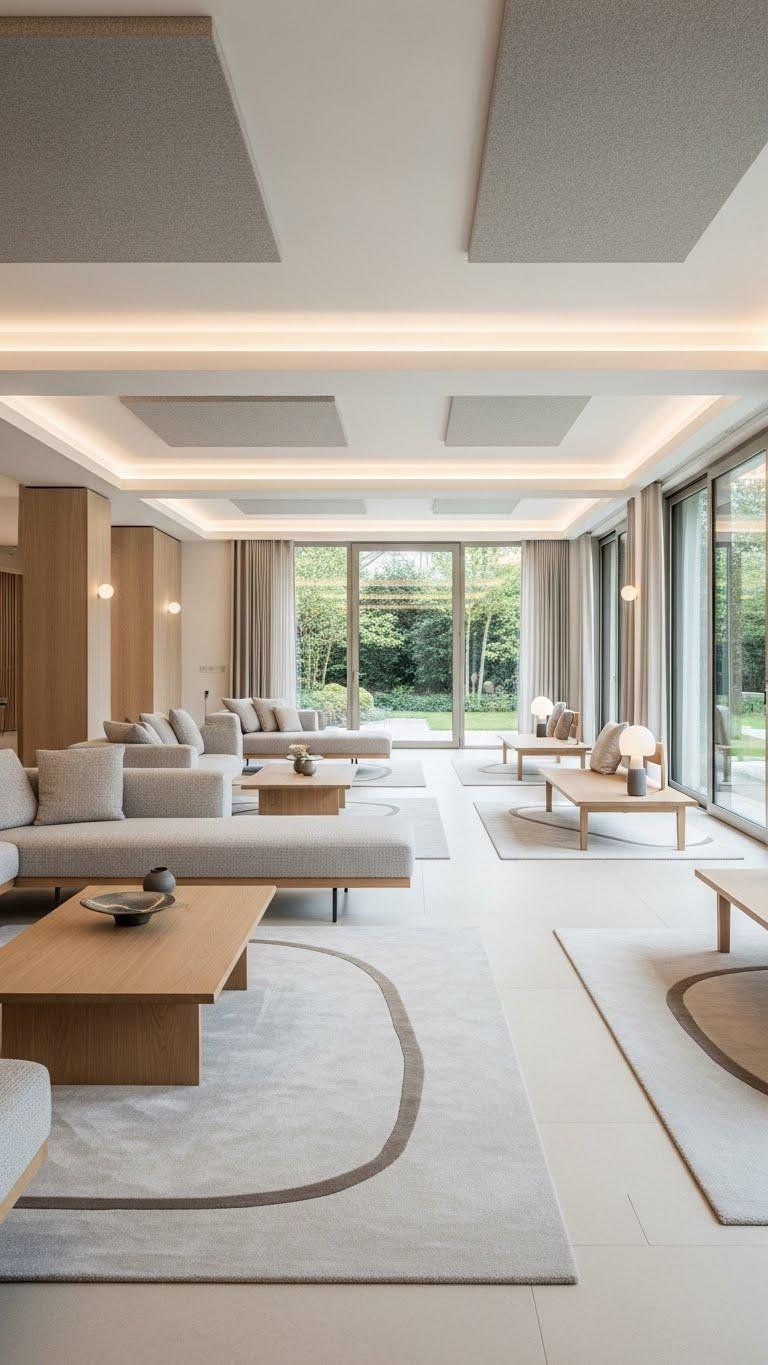
By planning clear sightlines and roomy walkways, you make movement feel effortless and intentional.
Use simple circulation mapping to chart routes that avoid obstacles and reduce decision fatigue.
Keep furnishings low-profile, anchor paths with subtle rugs, and respect sensory thresholds for light and sound.
You’ll create breathable passages that invite flow, support daily routines, and give you quiet freedom to move.
Maintain a Rotating, Seasonal Edit of Belongings

Rotate what you keep on display each season to keep your home feeling fresh and functional. You’ll curate a small set of essentials, swap textiles and artwork, and use storage rotation to prevent accumulation.
Pack extras thoughtfully, label containers, and choose simple seasonal scenting to mark changes. This practice frees you from excess, sharpens choices, and keeps living spaces calm and intentional.