
You’ll refresh your home without starting over by leaning on warm, earthy bases, natural textures, and a few bold accents that feel crafted, not staged. Think terracotta, sage-blue layering, reclaimed wood, and curved furniture that invites you in. I’ll show practical ways to define spaces, add plush comfort, and highlight visible craft—so your rooms feel both calm and newly alive, with plenty more to explore.
Embrace Warm, Earthy Base Tones
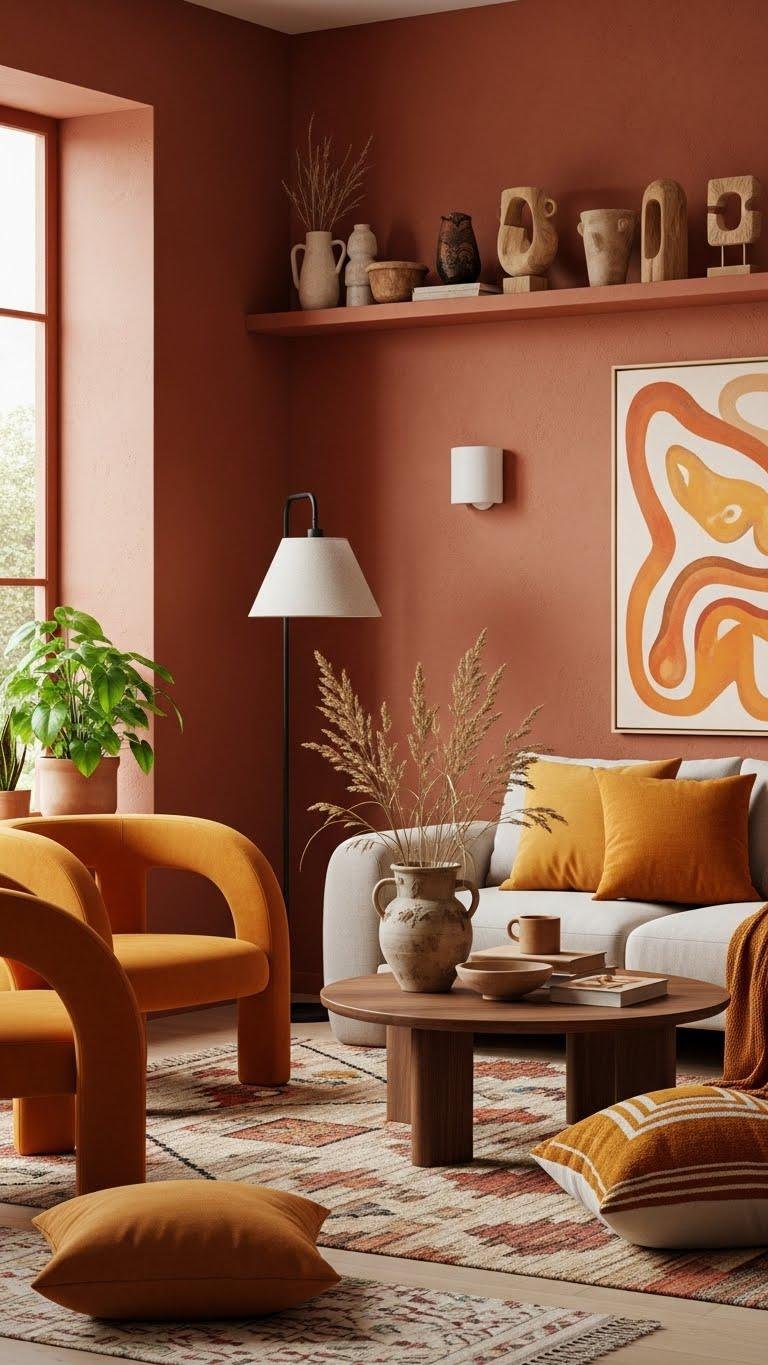
Start with a warm, earthy base and watch the room settle into a calm, grounded mood.
You choose terra cotta walls or ochre amber accents to anchor spaces without confining them. Pair bold, liberated furniture silhouettes and simple lighting to let those hues breathe. You’ll feel steadiness that still invites movement, openness, and effortless personal expression throughout your home.
Layer Natural Textures for Depth
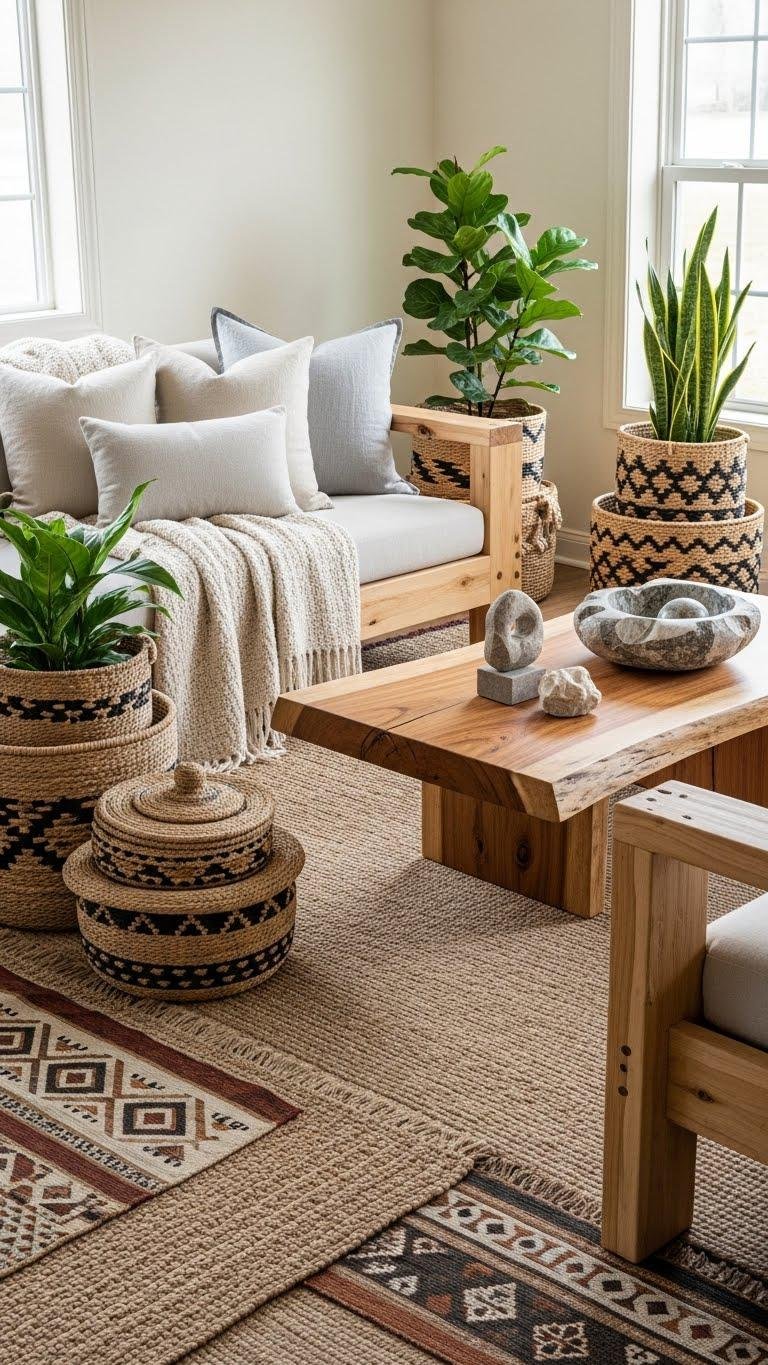
Bring in woven rugs, raw wood, linen, and stone to build a tactile palette that makes your room feel lived-in and intentional. Layer woven raffia baskets, raw hemp throws, and mixed-grain woods to add contrast and warmth.
Let textures speak instead of clutter; keep surfaces pared back so each material reads clearly. You’ll create depth that feels free, collected, and confidently modern.
Introduce Curved Furniture Silhouettes
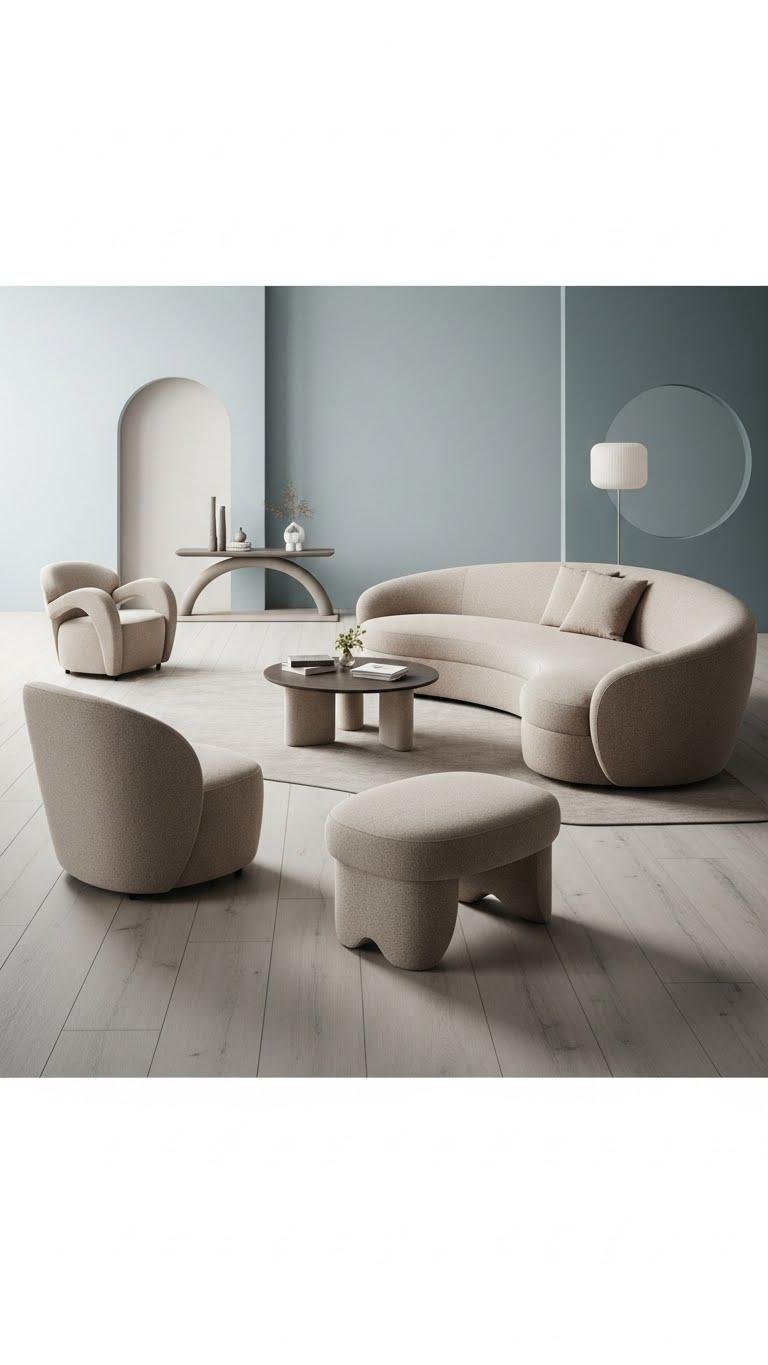
Soften the room’s edges with curved furniture silhouettes that invite movement and modern comfort. You’ll choose sinuous silhouettes—rounded sofas, armless chairs—that free spaces and encourage flow.
Mix low-profile curves with sculpted ottomans for contrast and tactile appeal. Keep finishes muted or bold where you want drama, but let the forms themselves create rhythm, ease, and a liberated living environment.
Create a Cozy, Defined Reading Nook
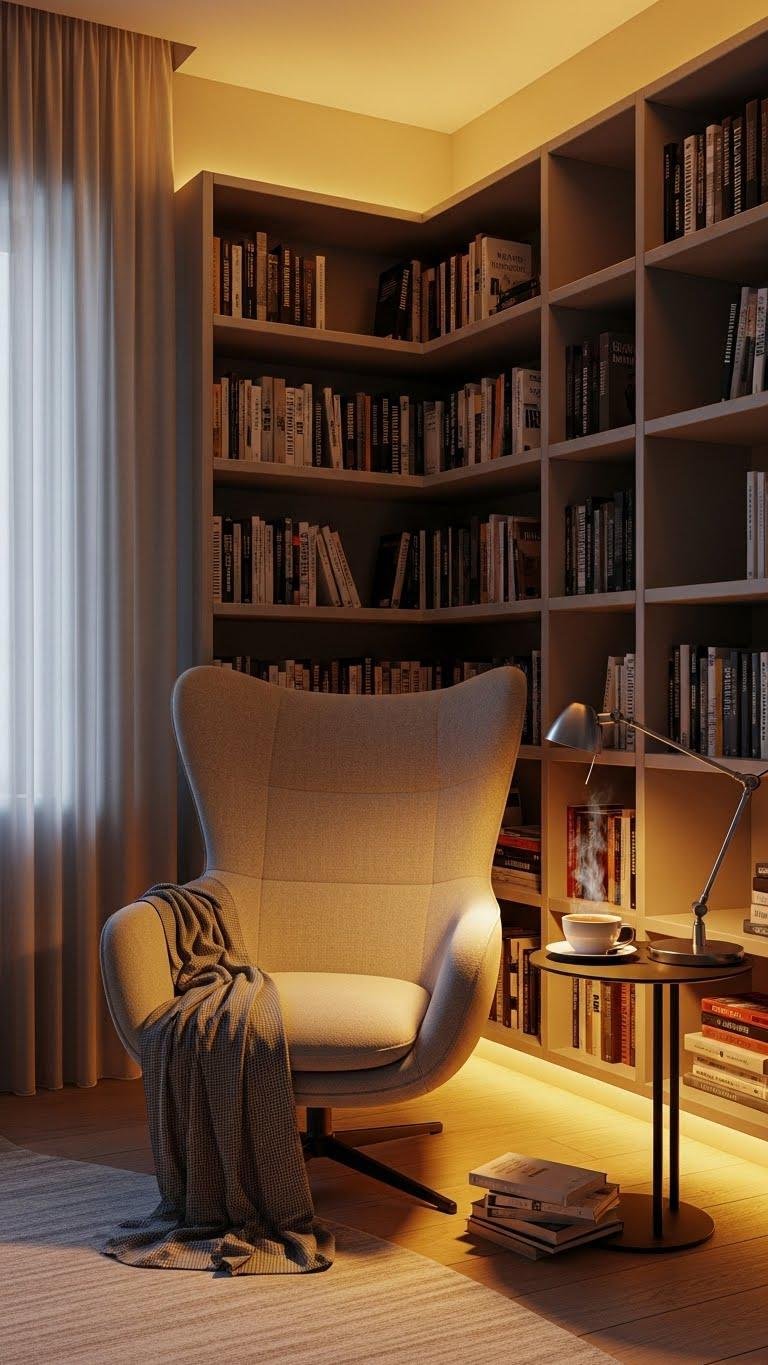
Carve out a quiet corner where you can melt into a chair and let the world fall away; a defined reading nook anchors a room and signals intentional leisure.
Choose a sculpted chair, layer with a throw, and add soft lighting for lingering hours. Integrate streamlined book storage and a small side table so you can claim solitude, read freely, and return refreshed.
Use Wood-Infused Architectural Details
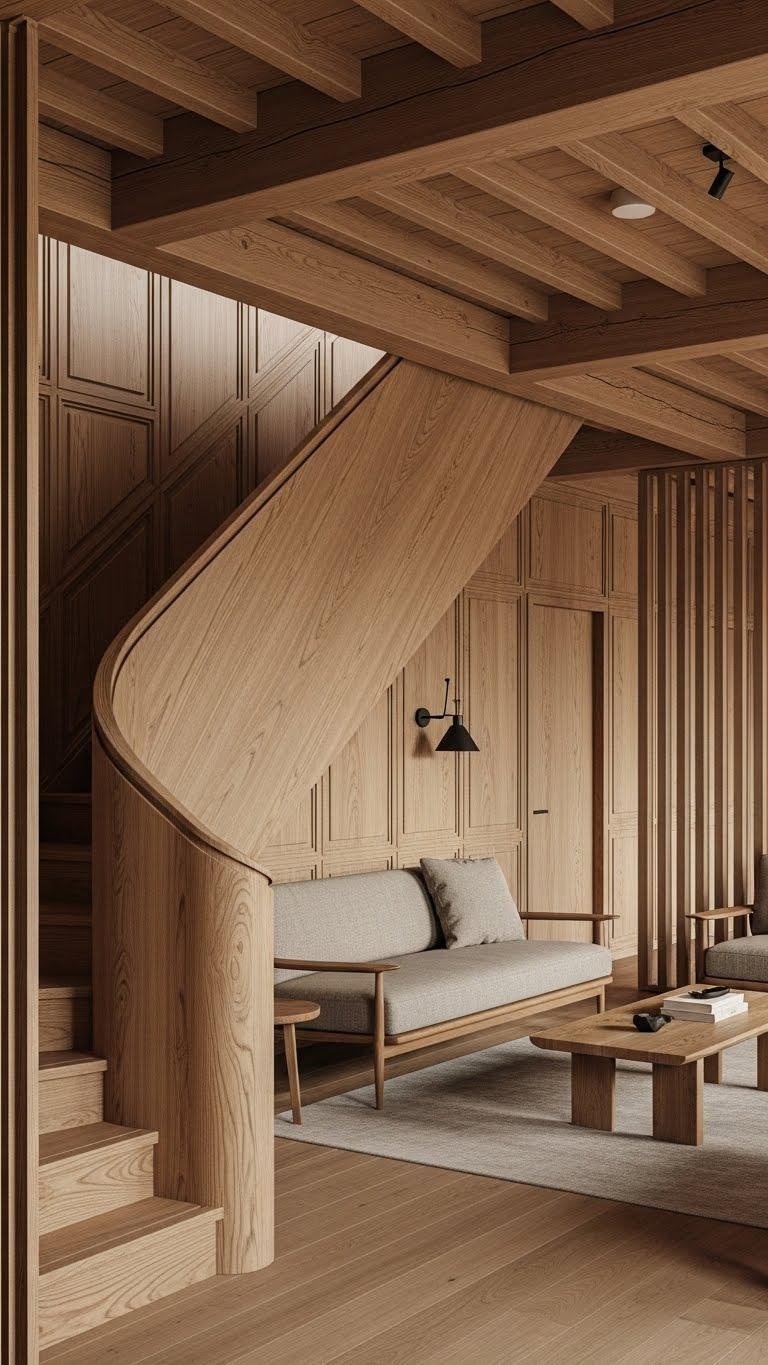
When you introduce wood-infused architectural details—think exposed beams, paneled walls, or a sculpted stair stringer—you give a room instant warmth, structure, and tactile depth.
You’ll lean into exposed beamwork and timber screens to define zones, control light, and anchor minimalist furnishings. Choose natural grain, honest joinery, and refined finishes so your space feels liberated, grounded, and unmistakably intentional.
Mix Porcelain and Limestone Surfaces
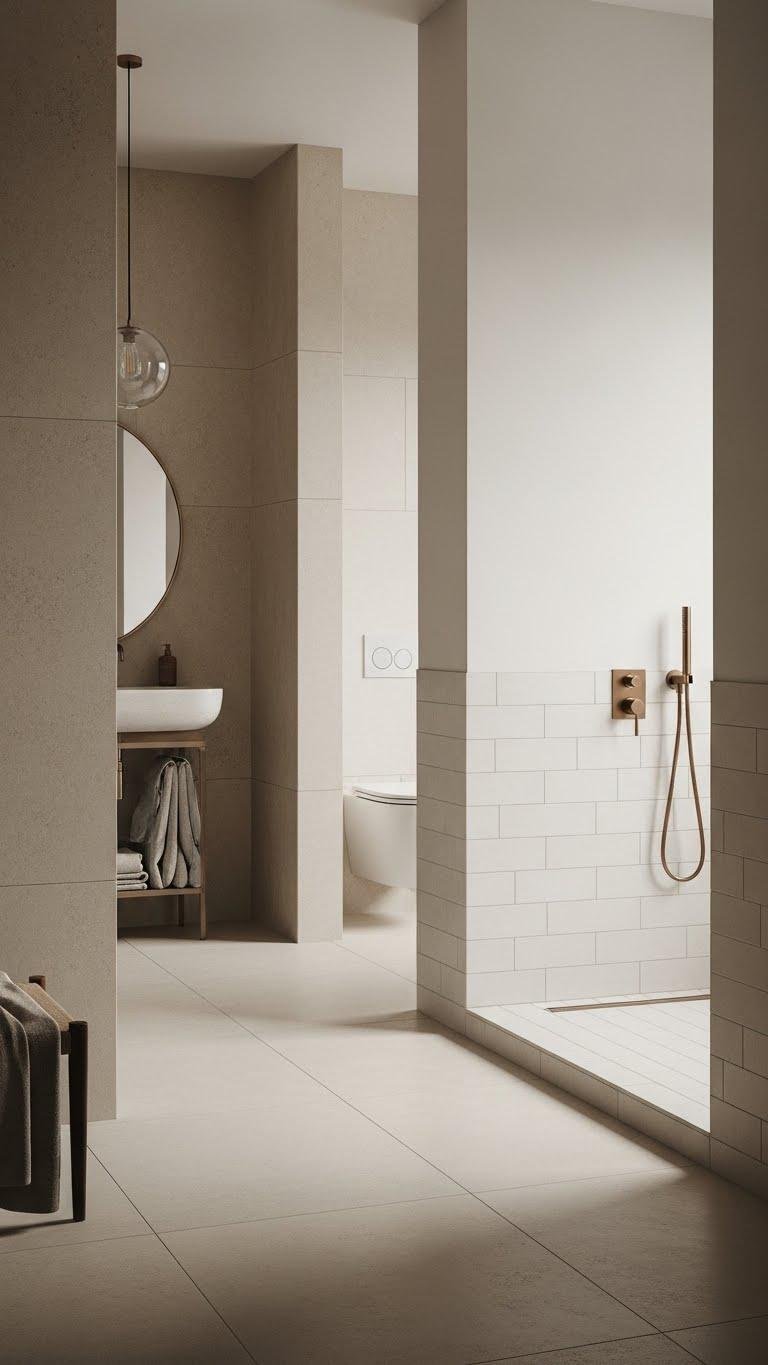
By pairing honed limestone with precision-cut porcelain, you get a tactile contrast that’s both durable and quietly luxurious.
You’ll mix matte porcelain tiles with fossil limestone slabs to balance modern restraint and raw history.
Use porcelain for wet zones and limestone for warm expanses; keep grout minimal, edges crisp, and finishes muted so your rooms feel open, grounded, and effortlessly free.
Add Arched Doorways and Niches

Combine Maximalist Patterns With Tonal Restraint
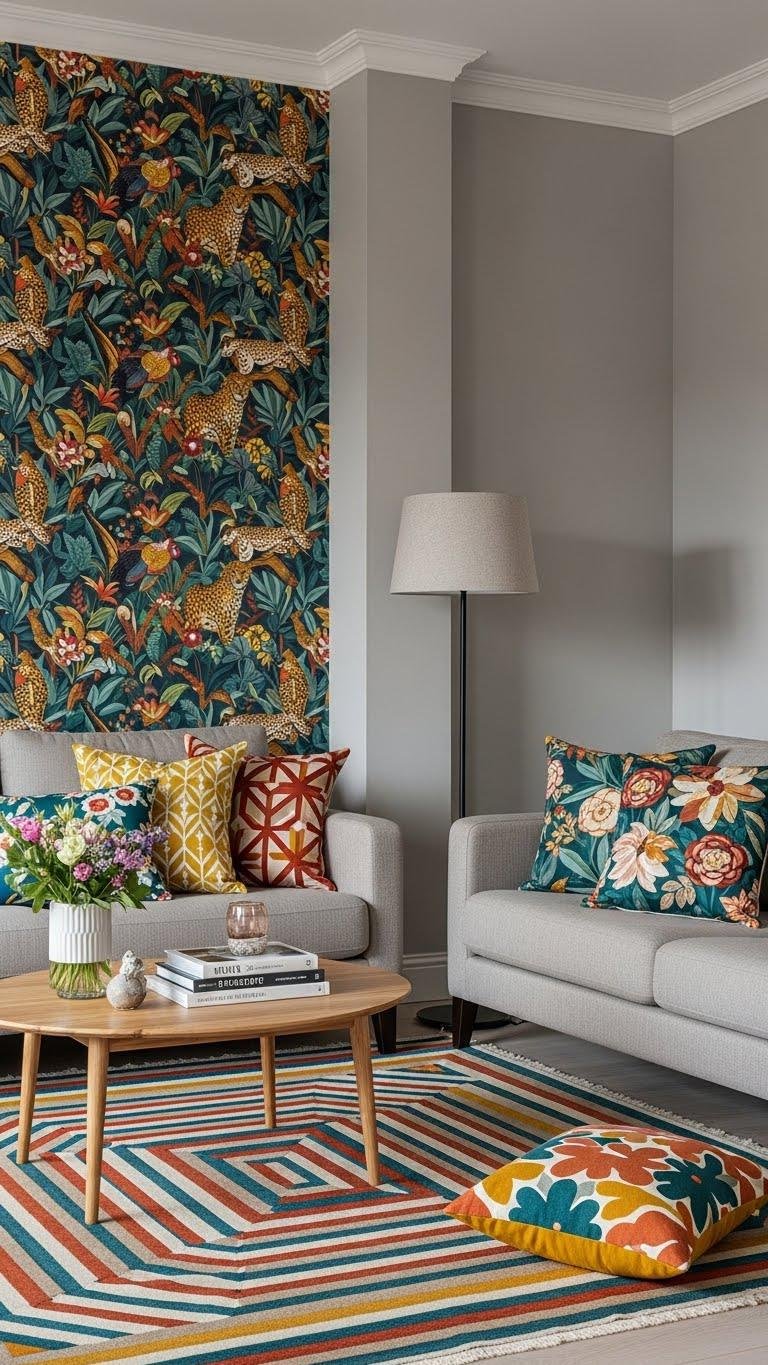
While bold prints demand attention, you can let them sing without overwhelming the room by anchoring them in a controlled tonal palette. You’ll pair loud florals, geometrics, or animal motifs with muted hues so pattern restraint tames exuberance.
Let maximalist whispers peek from cushions, rugs, or a single wall while calm, cohesive tones give you freedom to play without chaos.
Incorporate Handcrafted Finishes
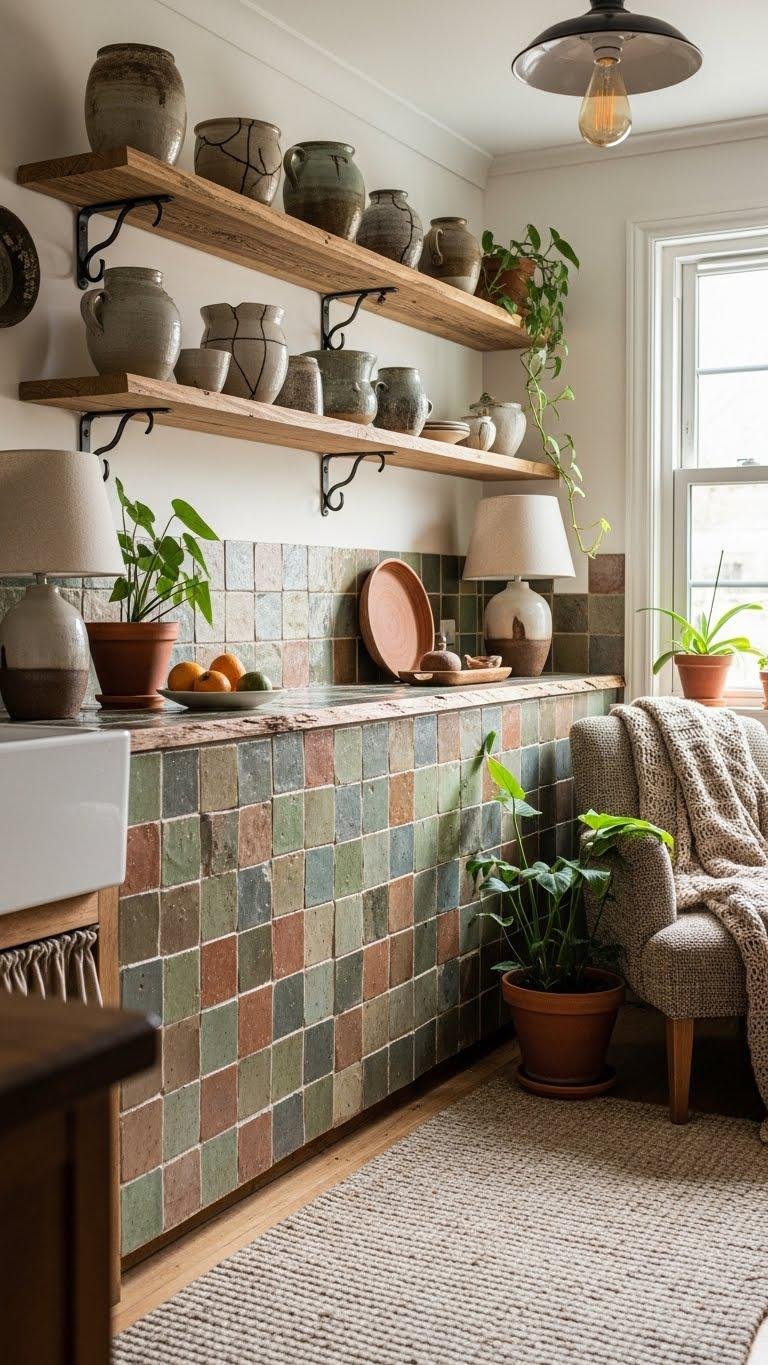
Introduce handcrafted finishes to give your space personality and tactile richness that mass-made pieces can’t match. You’ll choose handmade tiles for backsplashes or accent walls and pair them with artisanal joinery on shelving or cabinetry.
These details celebrate craft, resist trends, and let you shape a home that’s honest, liberated, and tactile. Opt for imperfections—they make your interior unmistakably yours.
Design Purposeful Kitchen Alcoves

Carve out a kitchen alcove that does more than fill space — make it a focused pocket for coffee rituals, prep work, or casual dining that streamlines daily life. You’ll design compact prep zones with purposeful counters, integrated seating, and built storage that hides clutter.
Choose durable surfaces, clear sightlines, and flexible lighting so the alcove feels liberating, efficient, and undeniably yours.
Bring Nature Indoors With Sage and Soft Blues

Bring the outdoors in by layering soft sage and muted blues to create a calm, grounded palette that feels fresh yet lived-in. You’ll use sage accents in textiles and planters, pairing them with furnishings that show subtle blue undertones.
Choose natural finishes, breezy shapes, and open sightlines so your space breathes—inviting freedom, balance, and a quietly confident, restorative vibe.
Opt for Plush, Multi-Layered Drapery

Often you’ll find that layered drapery instantly elevates a room, combining texture, light control, and a sense of depth without fuss.
You’ll choose velvet sheers for softness, add heavier panels for privacy, and finish with tailored layered valances to frame windows like art.
You maintain airflow, adjust mood, and keep a liberated, polished vibe—simple, bold, and entirely yours.
Install Grooved or Colored Paneling

Anchor a room with grooved or colored paneling to add instant structure and personality. You’ll pick hidden beadboard for subtle texture or bold colored battens to declare mood.
Install panels to define zones, protect walls, and allow easy repainting as you roam stylistically. Keep lines clean, edges crisp, and hardware minimal so the space feels liberated, purposeful, and unmistakably yours.
Choose Quiet Luxury Furnishings

With your walls set—textured where you want subtlety, colored where you want statement—choose quiet luxury furnishings that let the architecture breathe while signaling refinement. You’ll favor timeless textiles, sculpted silhouettes and restrained palettes.
Pick pieces that feel effortless, mix tactile fabrics with muted metals, and edit boldly. The result: a liberated, composed home that reads expensive without shouting.
Layer Rugs to Anchor Zones

Start by layering rugs to define and elevate each living zone—you’ll create depth and warmth while keeping the room feeling intentional. You choose a clear textile hierarchy: bold base rug, subtle top layer, then accent pieces.
Embrace rug interplay to guide traffic, set mood, and free your layout from rigid rules. Mix scale and texture confidently to make spaces feel lived-in and liberated.
Blend Historic References With Modern Pieces

When you mix historic references with modern pieces, you create a layered story that feels curated rather than contrived.
You’ll fuse heritage motifs with contemporary pairings, letting vintage textiles soften minimal tastes while streamlined silhouettes keep spaces breathable. Choose one standout antique, balance it with clean-lined furnishings, and edit ruthlessly so each piece signals freedom, confidence, and timeless originality.
Prioritize Acoustic Comfort in Living Areas

Vintage textiles and streamlined furniture set a mood, but sound shapes how you actually live in a room — you’ll want spaces that feel as calm to the ear as they’re to the eye. You’ll reduce echo with soundproof curtains, rugs and strategic bookshelves.
Use reverberation mapping to target hard surfaces, then act decisively so conversations, music and quiet coexist.
Curate Gallery Walls With Eclectic Frames

Mix and match frames to give your walls personality without chaos: pick a unifying element—scale, color, or matting—and let varied finishes and shapes do the rest. You’ll embrace a mix matched look while preserving cohesion.
Use frame layers and textured mats to build depth, stagger pieces with deliberate irregular spacing, and trust your eye to create a bold, liberated gallery wall.
Use Rounded Mirrors and Scalloped Headboards
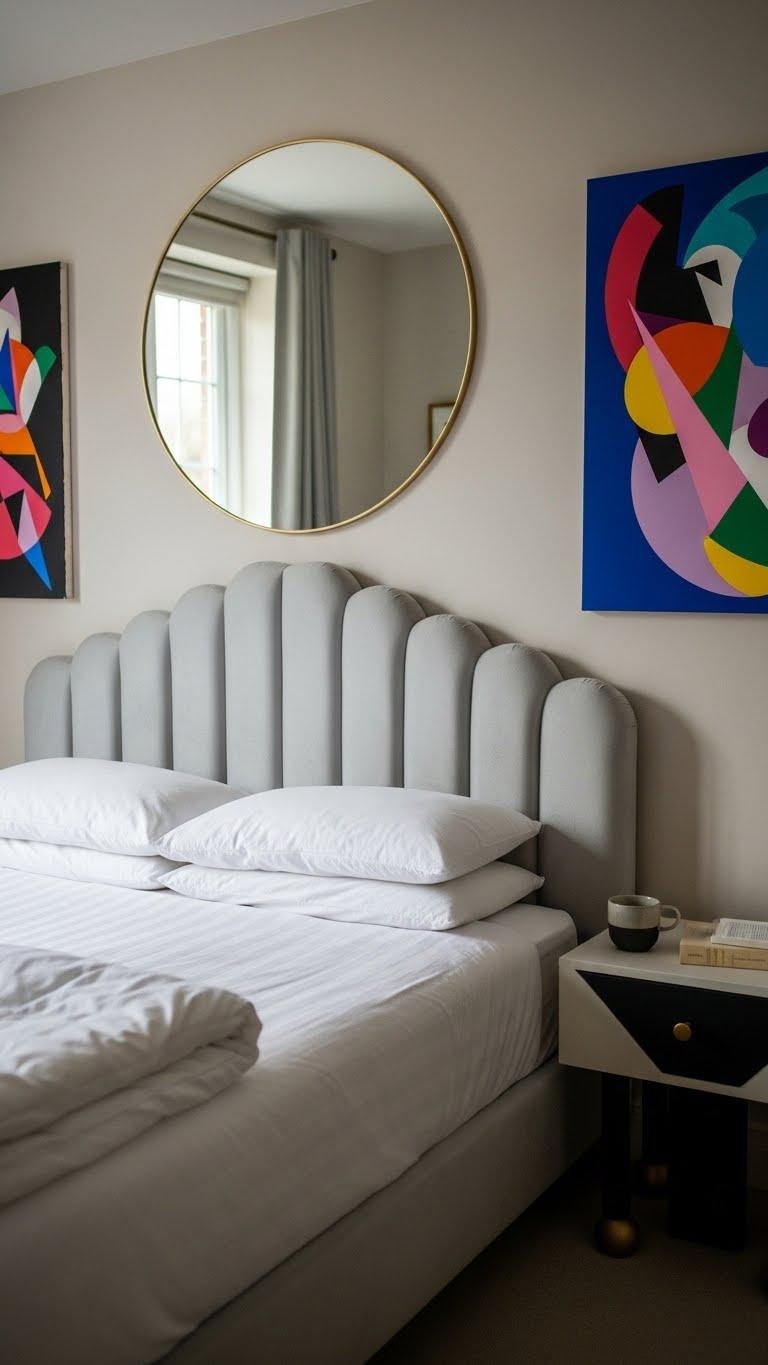
Alongside bold artwork, rounded mirrors and scalloped headboards soften a room’s geometry while adding instant personality—you’ll get curves that balance sharp angles and create a more inviting silhouette. Embrace rounded silhouettes to loosen rigid lines; pair a scalloped-texture headboard with minimal bedding.
You’ll invite calm, sculptural charm that feels liberated yet deliberate, making your space both relaxed and confidently styled.
Zone Open Plans With Millwork Partitions

When you want defined zones without boxing off light, millwork partitions give open plans structure and style—think built-in shelving, slatted screens, or low-height cabinetry that direct traffic and sightlines while keeping spaces visually connected.
You’ll use pop up shelving for flexible display, sliding screens for privacy on demand, and streamlined millwork to anchor activity areas so your home feels open yet intentionally arranged.
Select Durable, Sustainable Materials
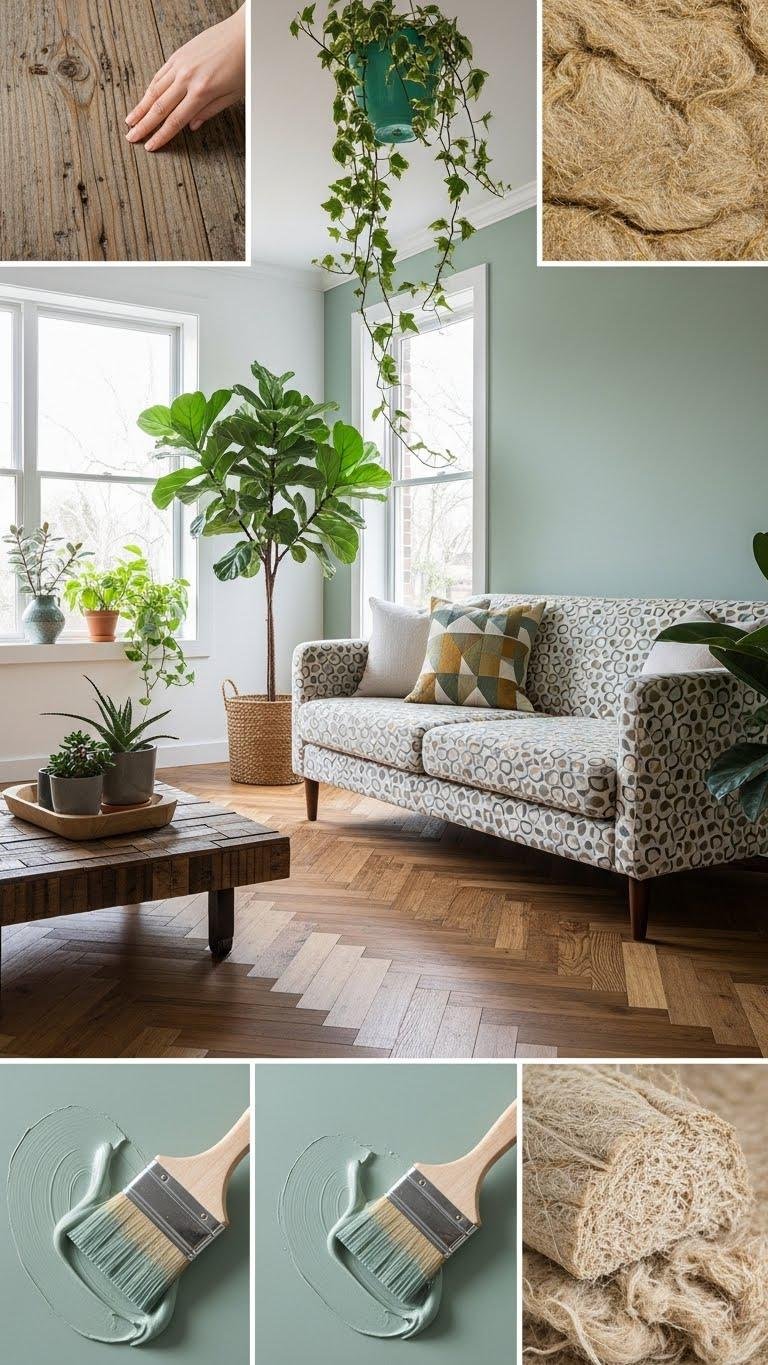
Often you’ll find that choosing durable, sustainable materials is the smartest long-term investment for both style and function.
Choose finishes that withstand life — reclaimed wood, recycled textiles, low-VOC paints — and prioritize hemp insulation for breathability and longevity.
You’ll reduce maintenance, cut waste, and keep aesthetic freedom.
Make decisions that feel effortless now and resilient for years.
Play With Bold Prints in Small Doses

Start sparingly: introduce a bold print as an accent rather than the room’s whole personality, so it punctuates the space without overwhelming it. You’ll use statement scarves, pillows, or a single wallpapered panel for pattern punctuation.
Choose one vivid motif, repeat it minimally, and let neutral textures breathe. This keeps your rooms confident, free, and unmistakably you without visual chaos.
Emphasize Visible Craft and Patina

Celebrating wear and handiwork, let items that show their making and aging take center stage — a hand-planed table with knife marks, a brass lamp with a soft green bloom, or a woven rug that’s frayed at the edges. You choose pieces with hand forged hardware and aged leather; you celebrate scars as proof of use, letting honest craft and patina define a liberated, refined interior.
Create Intimate, Human-Centered Layouts

When you arrange a room around how people actually move, touch, and linger, the space becomes inherently welcoming and purposeful.
You design for human rhythms: conversational clusters at intimate scale, clear pathways, and low-slung tables that invite pause. Prioritize tactile seating and hand-friendly surfaces, edit distractions, and let light and sightlines guide flow. The result feels liberated, cozy, and unmistakably lived-in.