
You can calm your home without a major overhaul by making small, intentional choices that reduce visual clutter and harsh contrasts. Use a limited palette of soft hues, layer matte surfaces and warm, dimmable light, and favor closed storage and large, subtle textiles to keep sightlines clear. I’ll walk you through 20 practical, low‑stress ideas that you can apply room by room — starting with the easiest changes that make the biggest difference.
Maximize Natural Daylight With Adjustable Window Treatments
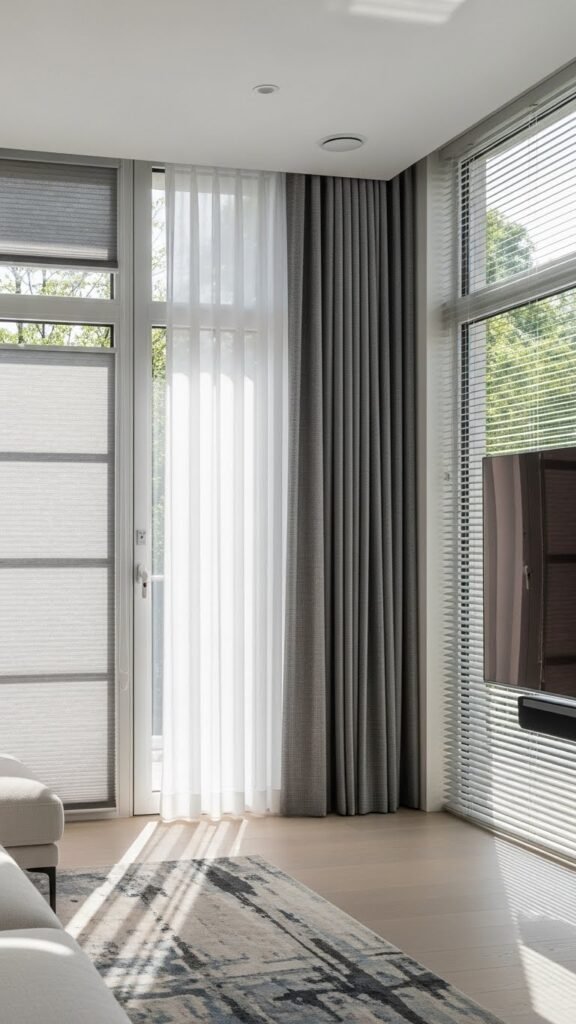
By choosing adjustable window treatments—like top-down/bottom-up shades, layered curtains, or motorized blinds—you’ll control how much daylight fills each room throughout the day.
You’ll use daylight harvesting strategies and window sensors to optimize natural light, reduce glare, and lower energy use.
Adjust angles and heights to frame views, preserve privacy, and keep spaces calm, open, and free-moving.
Layer Warm, Dimmable Lighting for Even Illumination
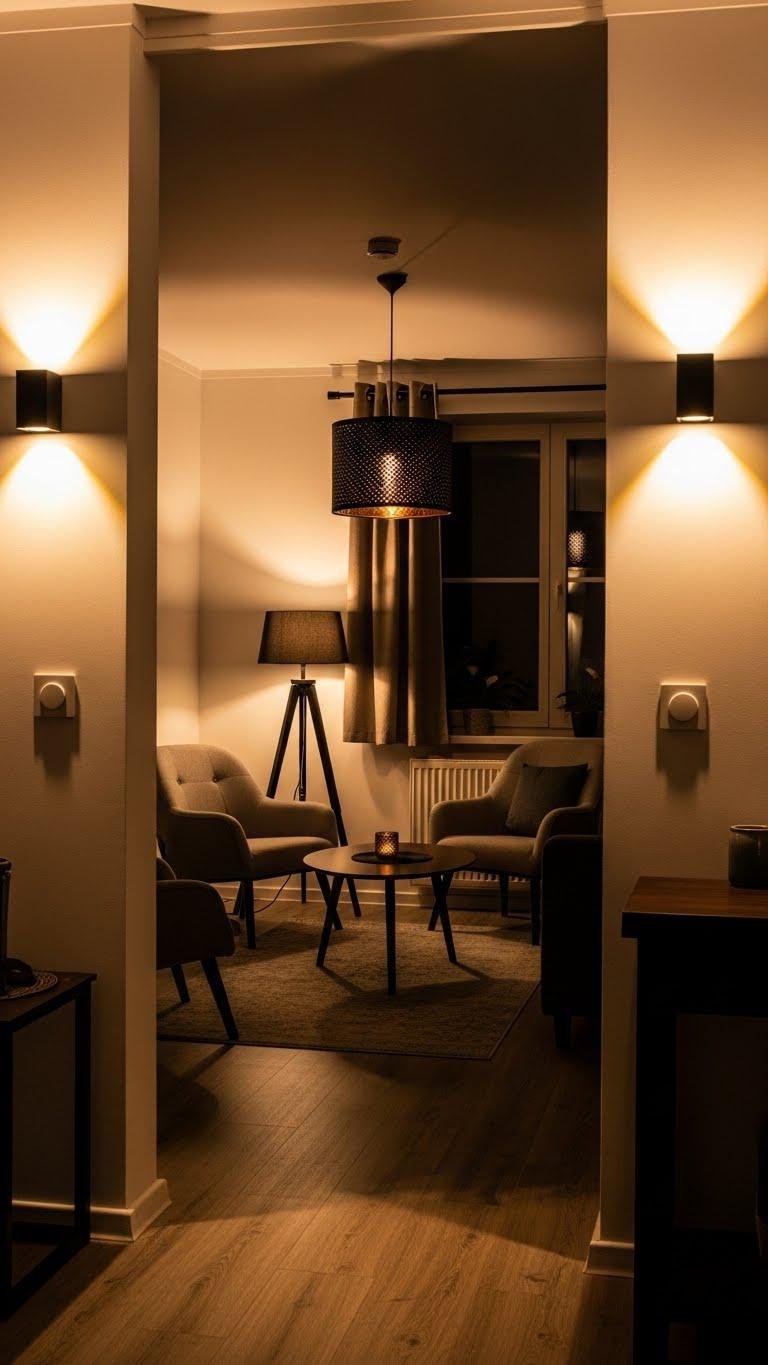
Often, you’ll combine layered, warm, dimmable lighting—ambient, task, and accent—to create even, comfortable illumination throughout a room.
You’ll place layered sconces, pendant light, and floor lamps so shadows soften and sightlines relax.
Use soft dimmers to fine-tune levels for activities, shifting mood without clutter.
Aim for gentle contrasts, clear pathways, and freedom to adjust light as you move through your space.
Choose a Soft, Limited Color Palette

Choose a soft, limited color palette to calm the eye and simplify decisions about furnishings and accents. You’ll stick to a few gentle hues, favoring muted contrasts over harsh shifts.
Use tonal layering—varying tints and saturations—to add depth without clutter. This approach frees you to curate pieces confidently, create cohesive rooms, and maintain visual breathing space that supports relaxation and ease.
Use Matte Finishes to Reduce Glare
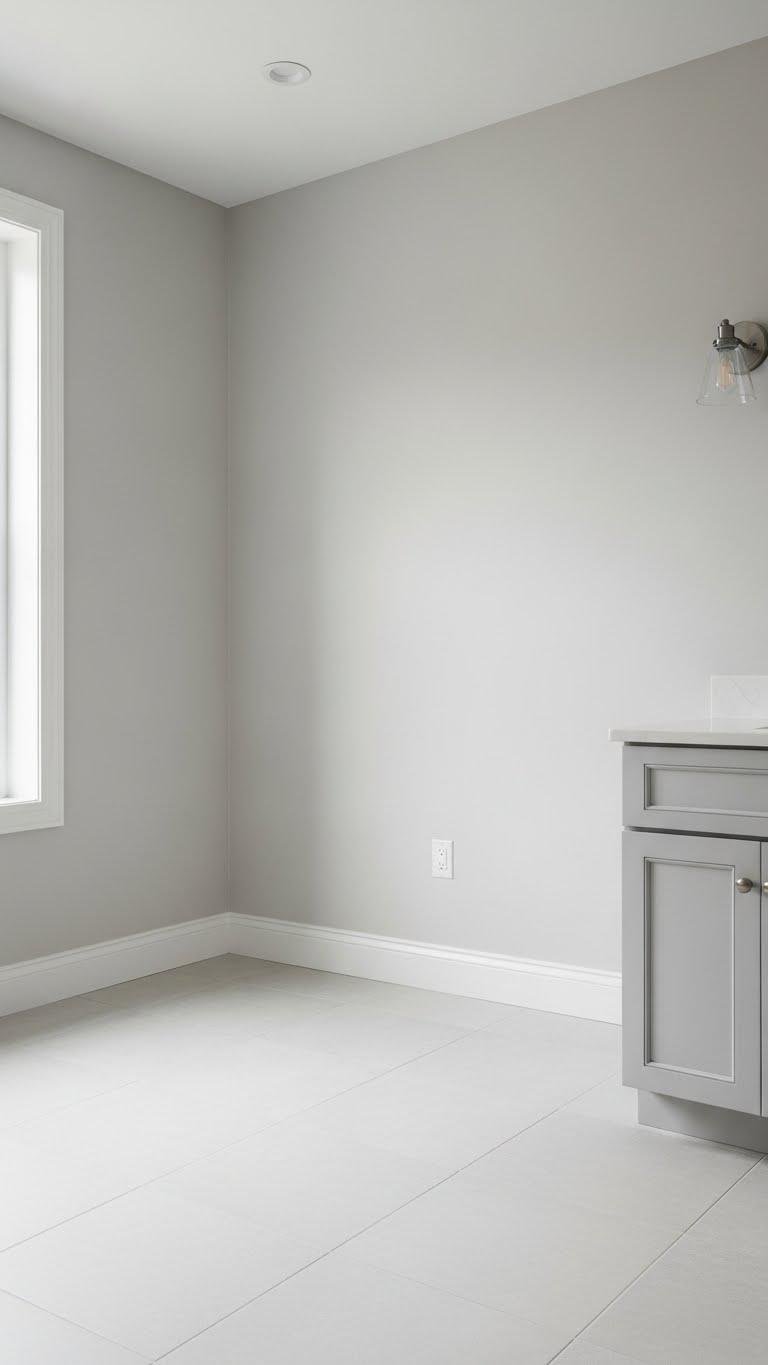
Matte surfaces cut glare and make rooms feel softer, so swap high-sheen paints, glossy tiles, and reflective metals for flat or eggshell finishes to keep light gentle and even.
Choose matte cabinetry to anchor calm, low-contrast zones and avoid visual noise. Pair with satin fixtures for subtle highlights that don’t shout.
You’ll create a freer, quieter space that’s easy on the eyes.
Incorporate Natural Wood Elements

A reclaimed oak console or a slab dining table grounds a room and brings tactile warmth you can see and feel.
Choose simple profiles, exposed sanded beams, and minimal finishes so grain calms rather than competes. Mix reclaimed accents—bowls, frames, a bench—to add history without clutter.
You’ll create open, honest spaces that feel free, rooted, and visually soothing.
Add Low-Maintenance Indoor Plants
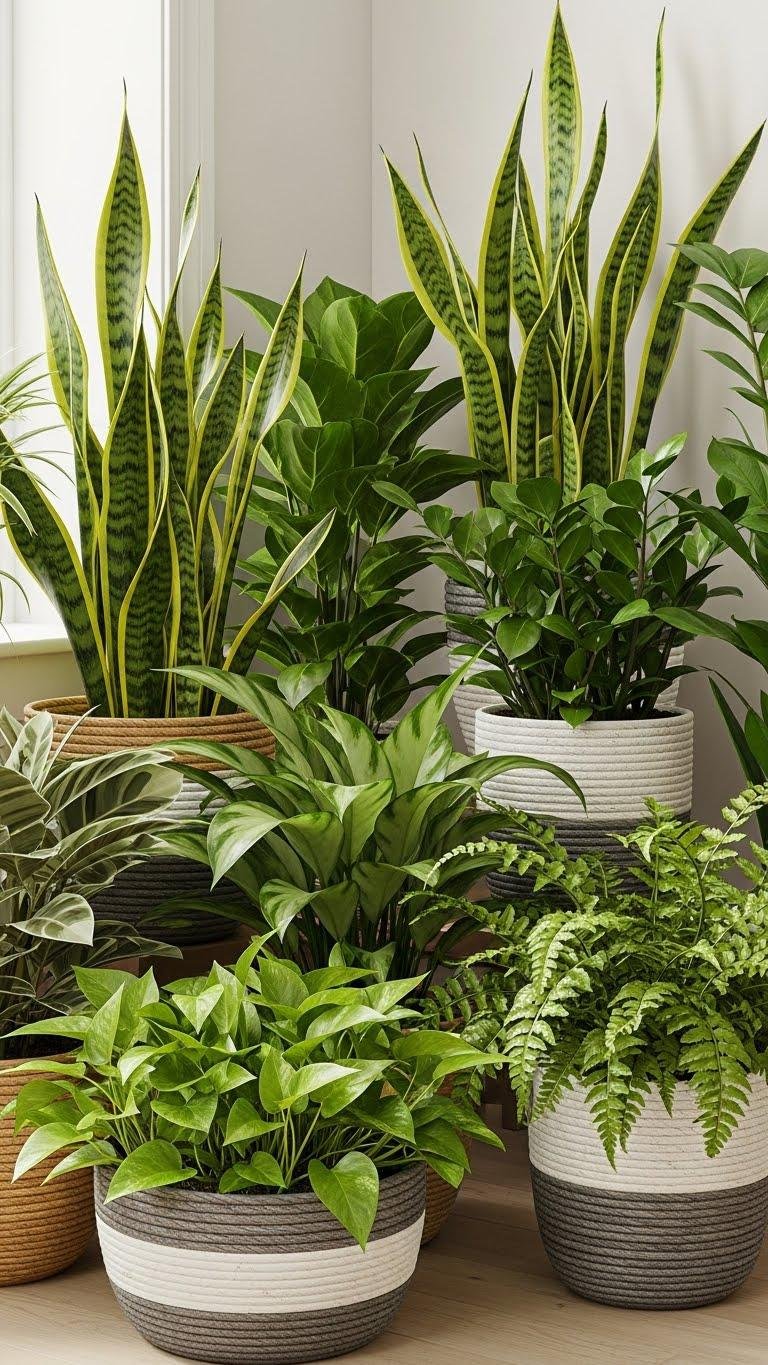
Introducing low-maintenance indoor plants brings life and calm without extra fuss: pick hardy varieties like snake plant, pothos, ZZ, or cast iron fern that tolerate low light and irregular watering.
You’ll choose low light succulents and pet safe foliage to soften corners, basket-planters, and shelves. Group a few for impact, rotate for balance, and enjoy a freer, cleaner visual vibe with minimal care.
Create Defined Zones to Simplify Sightlines
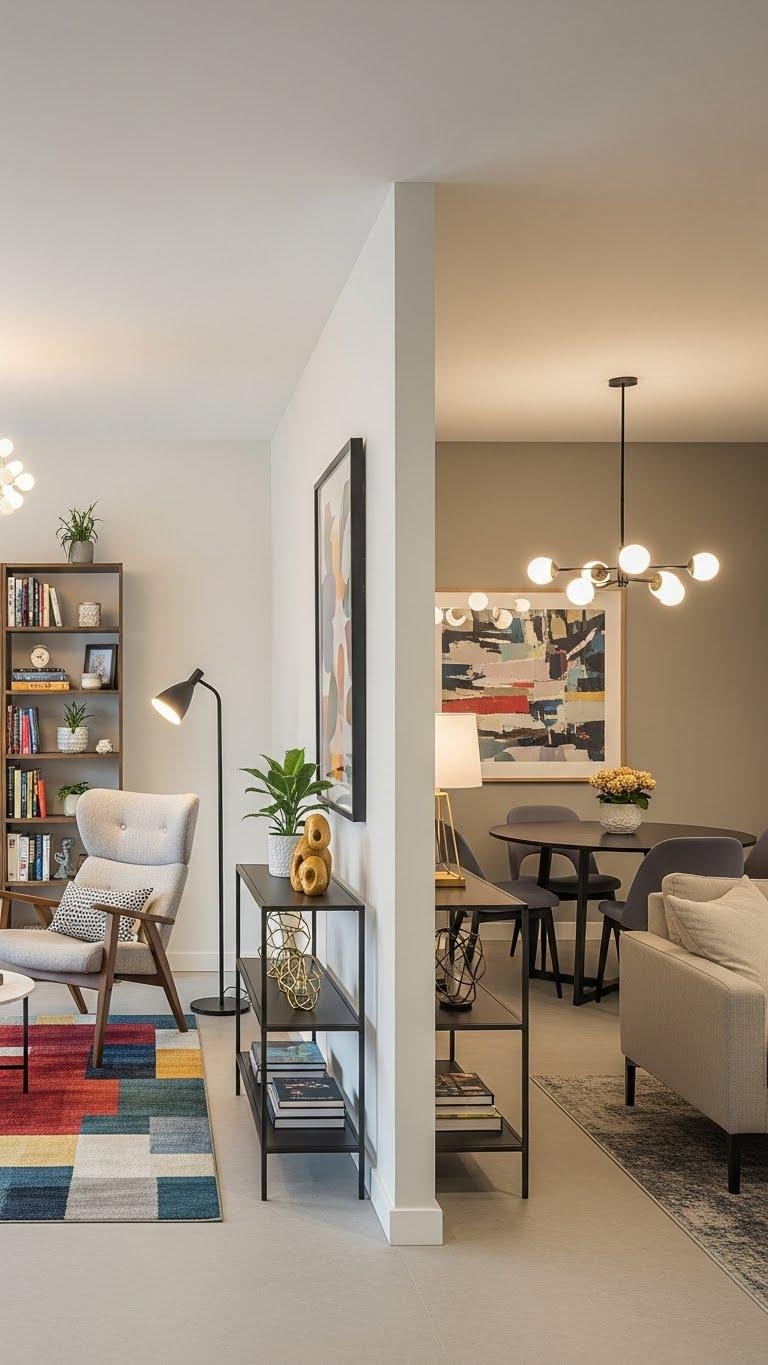
By carving your space into clear zones—like a reading nook, dining area, and lounging spot—you’ll reduce visual clutter and make sightlines feel intentional. Define each area with visual anchors—rugs, lighting, a single art piece—and use pathway buffers such as narrow consoles or open shelving to guide movement.
This keeps views calm, choices clear, and lets your home feel freeing and purposeful.
Favor Closed Storage to Minimize Visual Clutter
Paragraphs
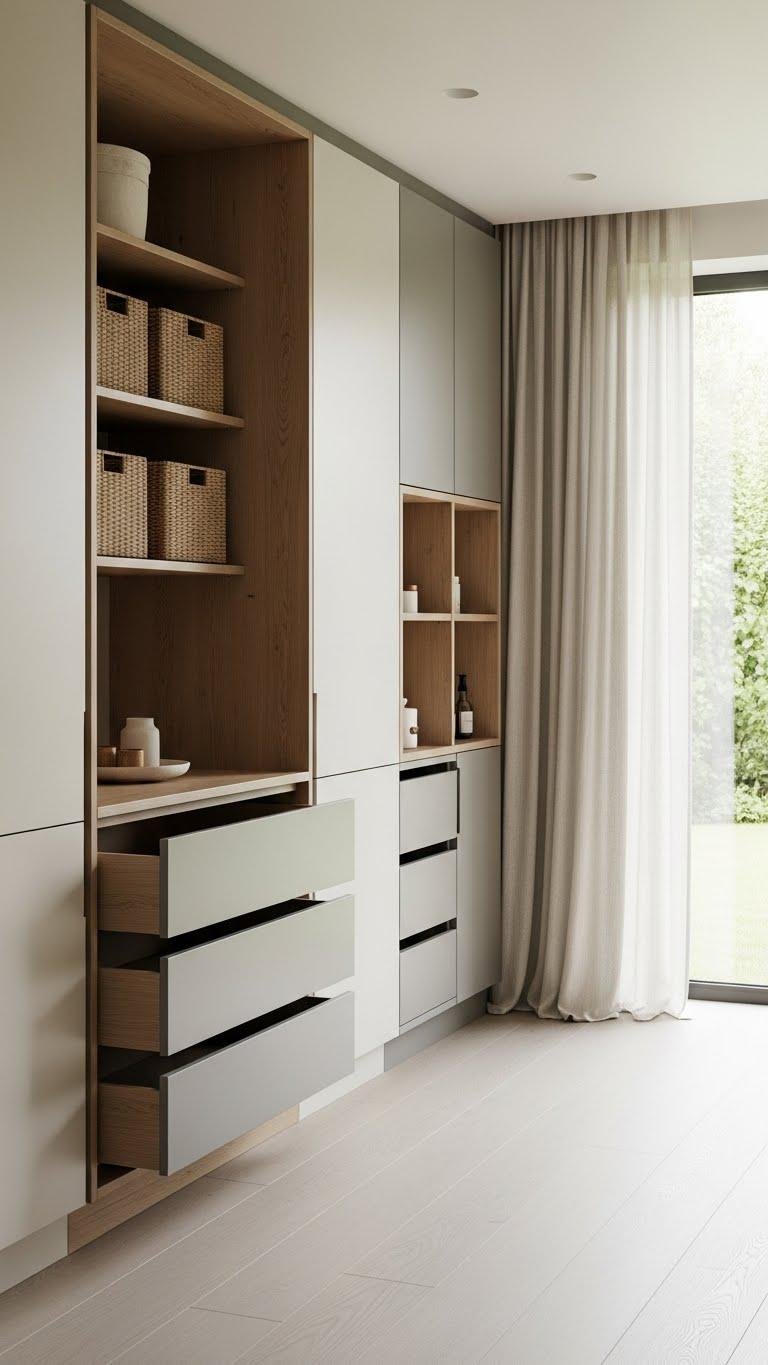
After you’ve defined zones to calm sightlines, keep surfaces quiet by favoring closed storage. You’ll reclaim visual freedom by stashing items in hidden cabinets and concealed baskets, reducing distraction.
Choose low-profile doors, soft-close drawers, and uncluttered tops so your rooms breathe. Closed storage makes daily life feel lighter, lets you grab essentials quickly, and keeps spaces serene without constant tidying.
Use Uniform Containers and Clear Labels
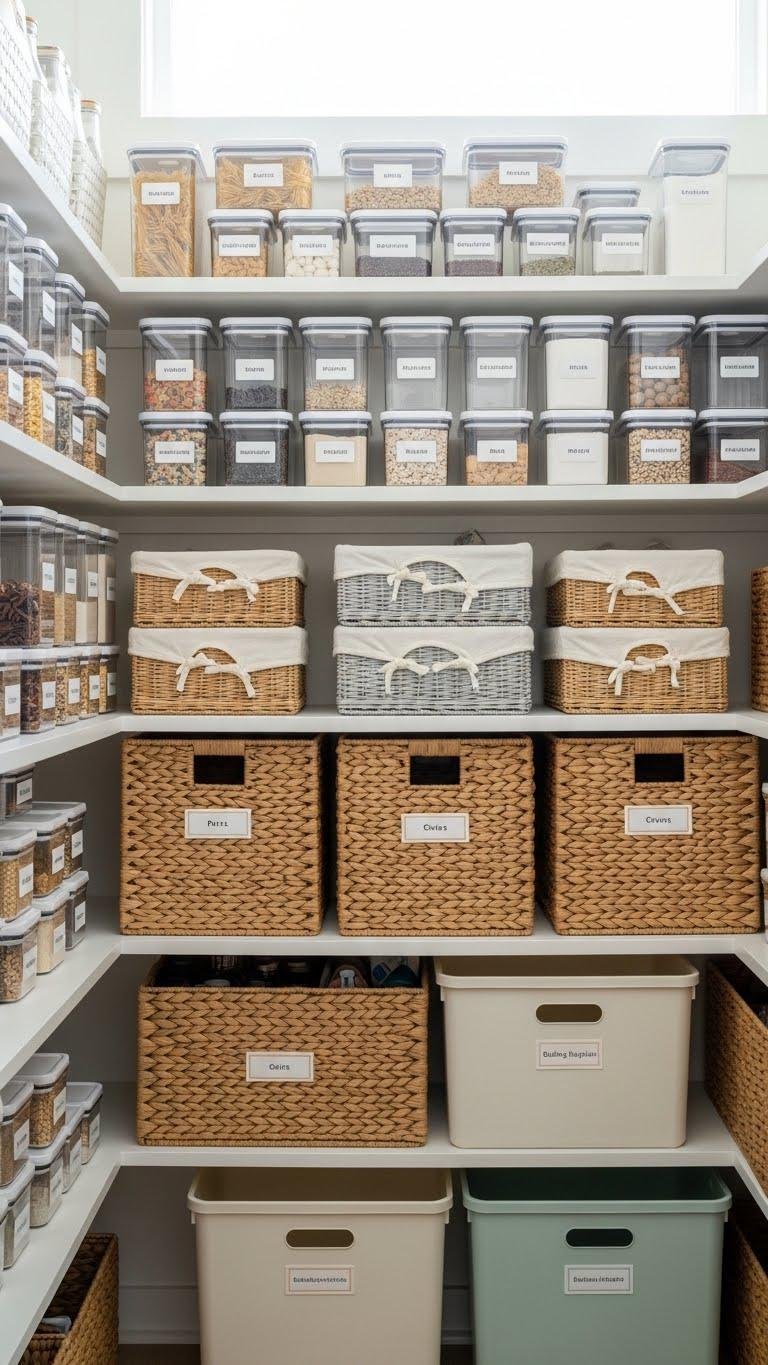
For a calmer look, choose uniform containers and clear labels so everything reads as a single, organized system. You’ll streamline surfaces with stackable baskets and matching bins, creating visual rhythm.
Use color coded labels for fast retrieval without cluttered signage. Keep labels legible and minimal, placed consistently.
This reduces decision fatigue and frees you to enjoy open, peaceful spaces that feel intentional and easy.
Select One Calm Focal Artwork Per Room
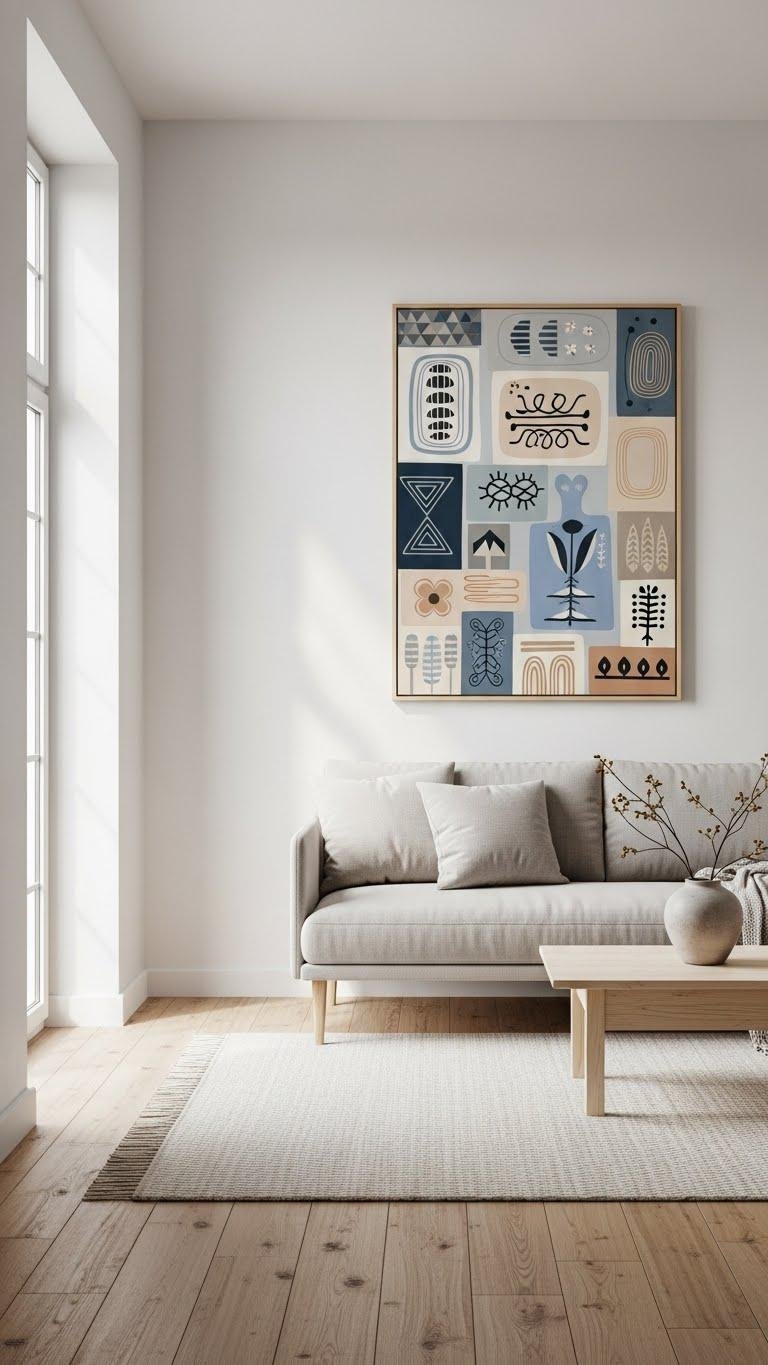
Serenity comes through when you choose a single calm focal artwork per room that anchors the space without competing for attention.
Pick one piece that respects scale consistency with furniture and sightlines. Let its palette and simple cultural motifs reflect your taste without clutter. Hang it deliberately, give it breathing room, and let the room feel freer, clearer, and intentionally composed.
Rotate a Small Curated Art Collection
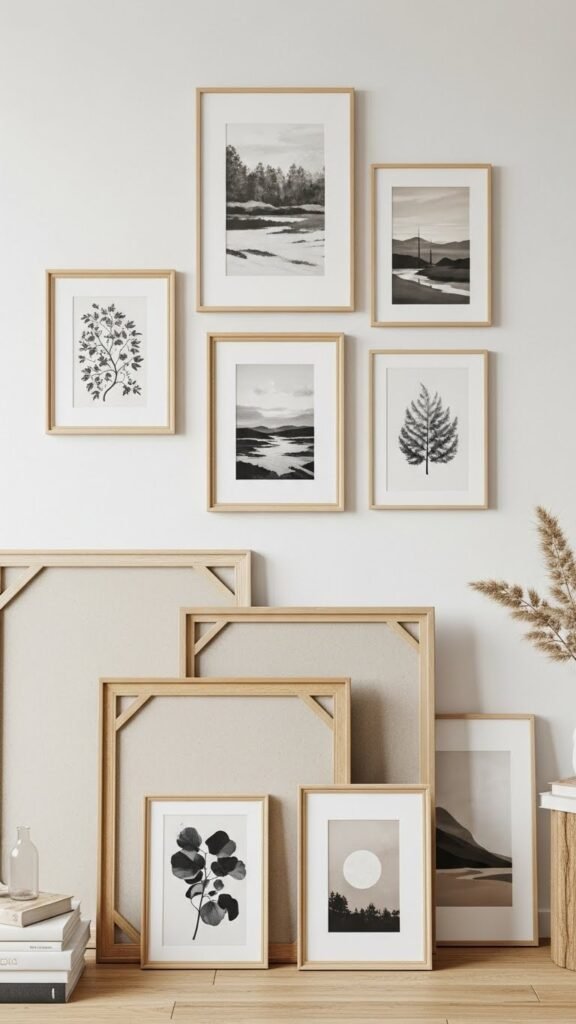
Switch out a few pieces every season to keep your rooms feeling fresh without adding clutter. Curate a small collection you love, then use seasonal rotation to swap works that match light and mood. Frame uniformly, label an artist spotlight card for each piece, and store the rest neatly. You’ll maintain calm, control, and the freedom to change without visual chaos.
Introduce Large-Scale, Subtle Textile Patterns

After rotating your art to keep walls calm and purposeful, bring that same restraint to textiles by choosing large-scale, subtle patterns that read more as texture than bold print.
You’ll favor oversized ikat and woven ombré in muted palettes to expand surfaces without clutter. Place them on a single statement rug or drapery so rooms feel open, intentional, and free from visual noise.
Layer Neutral Textiles for Tactile Comfort
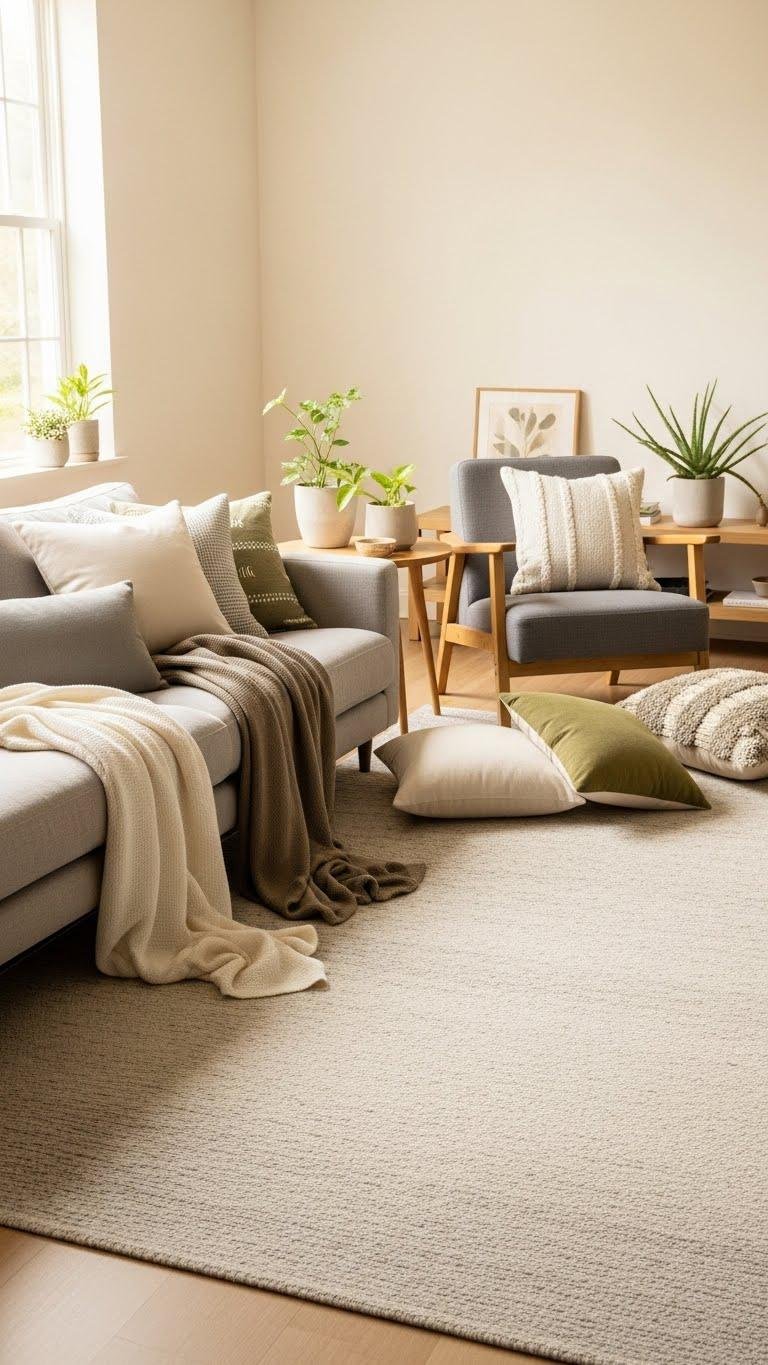
Layer neutral textiles to add tactile warmth without stealing the room’s calm: start with a low-pile, tonal rug, then fold in a couple of soft throws and a mix of matte and nubby cushions in adjacent shades.
You’ll favor layered throws and textured pillows that invite touch, keep visual simplicity, and let you rearrange pieces freely for comfort and effortless, uncluttered style.
Install Heavy Curtains or Rugs for Acoustic Dampening
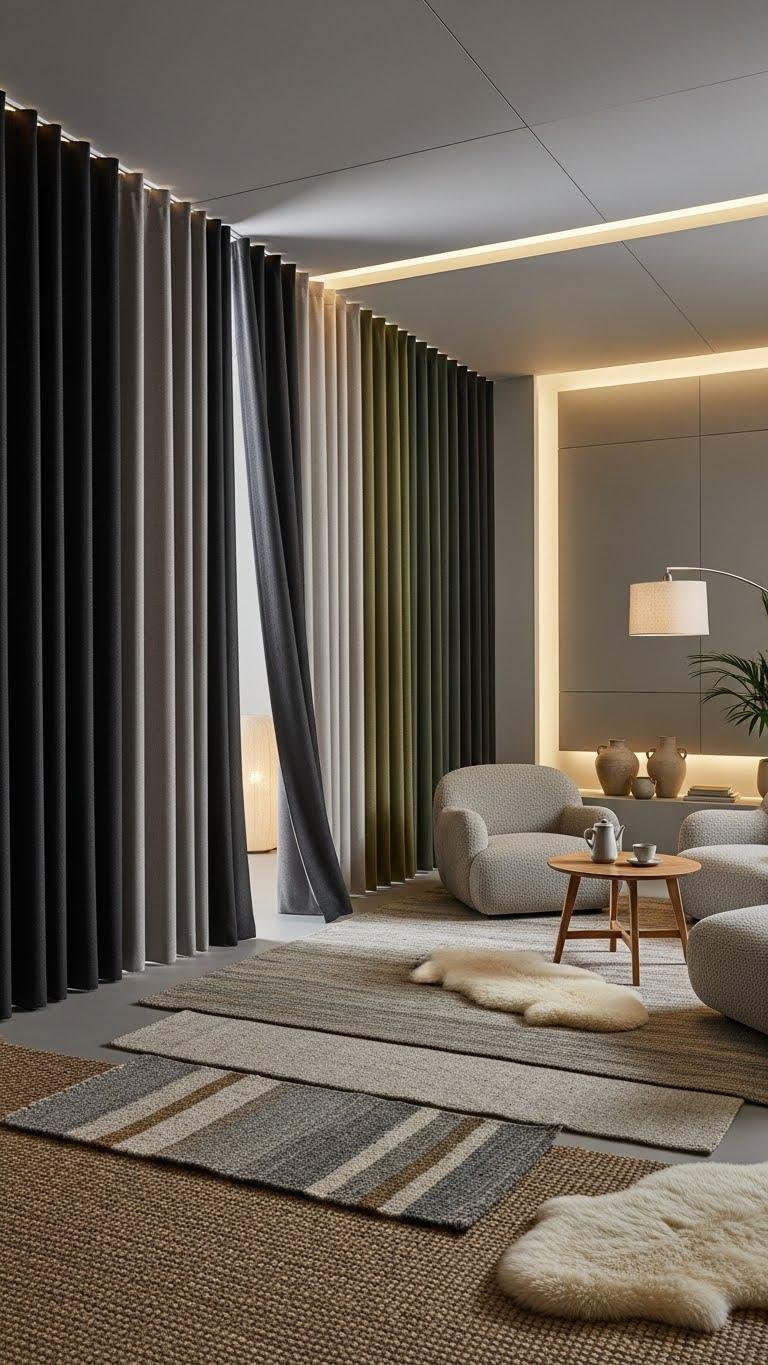
Damping sound with heavy curtains or rugs makes a room feel calmer and more intimate while still looking intentional. You’ll reduce echoes and gain sound absorption by choosing dense textiles in muted hues.
Hang floor-to-ceiling panels or place layered rugs to define zones, increase privacy enhancement, and soften footsteps. These choices let you control noise, protect quiet moments, and keep a liberated, uncluttered vibe.
Keep Surfaces Clear With Intentional Styling
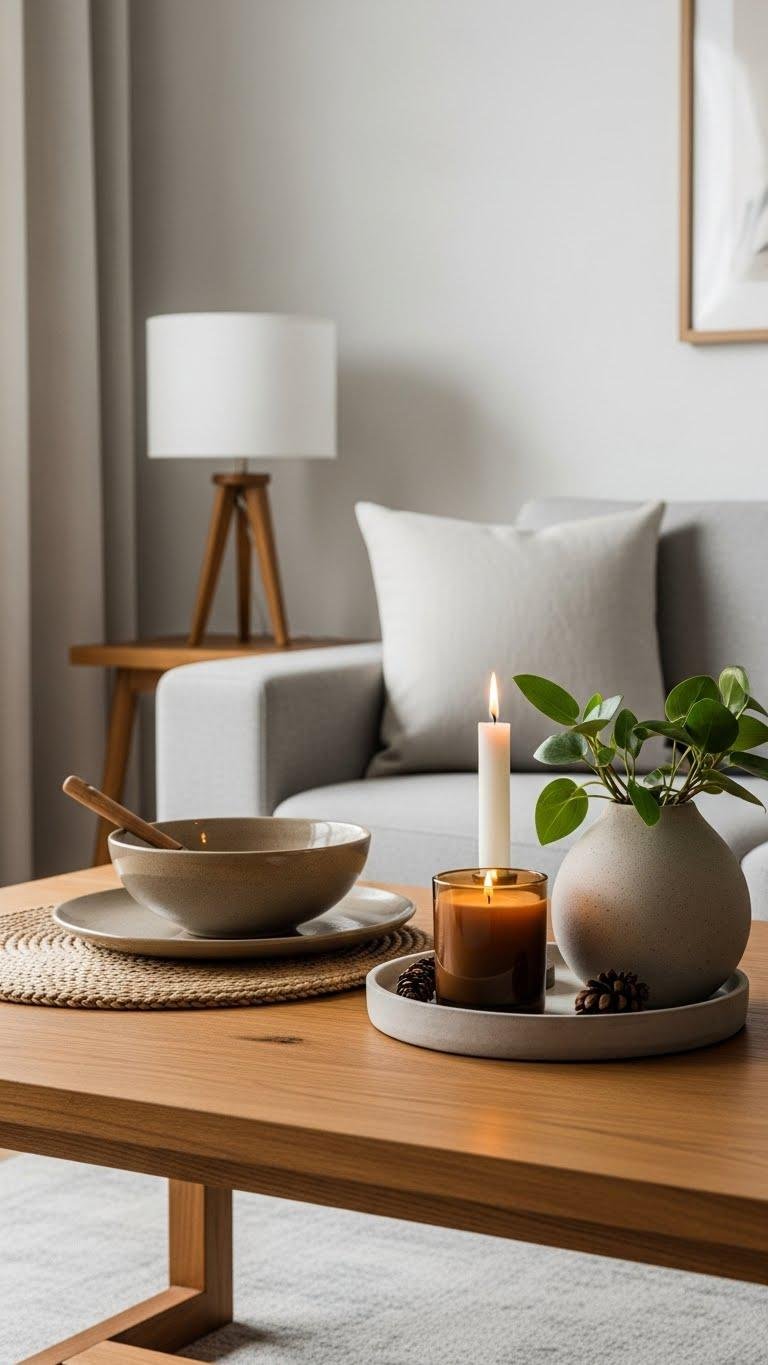
Clear surfaces give a room breathing space, so pick a few purposeful items and put everything else away; you’ll highlight texture and color without clutter.
Choose seasonal vignettes—one bowl, one candle, a small plant—and arrange them on tactile surfaces like wood or linen.
Keep arrangements low and intentional, rotate pieces with the season, and let empty space feel like a deliberate design choice.
Limit Accent Colors to One or Two Spots

Choose one or two accent spots and let them do the visual work: concentrate color in a single chair, a cluster of pillows, or a small vignette so the rest of the room stays calm and cohesive. You’ll practice accent restraint, creating intentional focal pops that draw the eye without clutter.
Keep shapes simple, repeat a tone, and enjoy the freedom of a pared-back palette.
Use Sheer Curtains to Soften Harsh Light
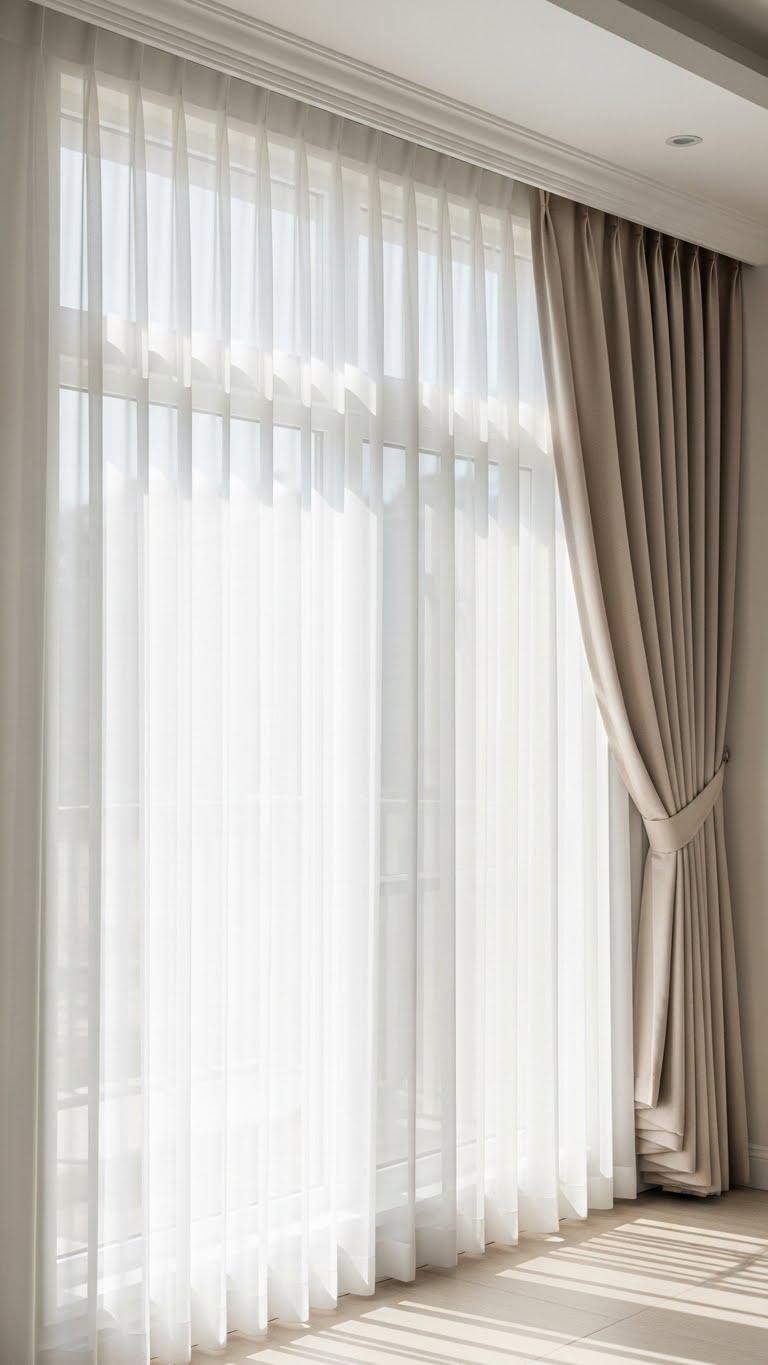
Often you’ll want to soften strong sunlight without losing brightness, and sheer curtains do that simply and beautifully.
You’ll gain diffused privacy while keeping views and airiness.
Choose lightweight panels that drape easily, mix with heavier curtains for fabric layering when needed, and mount high and wide to expand sightlines.
The result feels open, calm, and under your control.
Choose Natural Textures Over Busy Prints

After softening light with sheer curtains, layer in natural textures to keep the room calm and grounded.
Choose woven baskets for tidy storage and tactile interest instead of loud prints. Add jute rugs to anchor seating with simple, breathable texture.
Let linen throws, raw wood, and stone accents guide the palette so your space feels open, intentional, and free from visual clutter.
Arrange Furniture to Preserve Clear Sightlines

When you arrange furniture to preserve clear sightlines, aim for open pathways and unobstructed views that make the room feel larger and easier to navigate.
Position angled seating to invite conversation without blocking sightlines.
Float a slim floating console against a wall to keep floor space visual and physical clear.
Balance scale and spacing so you move freely and see across the room.
Maintain Simple, Regular Decluttering Habits

Keeping clear sightlines only works if surfaces stay uncluttered, so make simple, regular decluttering a habit.
You’ll do daily purging—five focused minutes each evening—to clear visual noise. Keep a box for timed donations and schedule drop-offs monthly. Choose one flat surface as your freedom zone; if it fills, remove items immediately. Small, steady actions keep your space calm and breathable.